
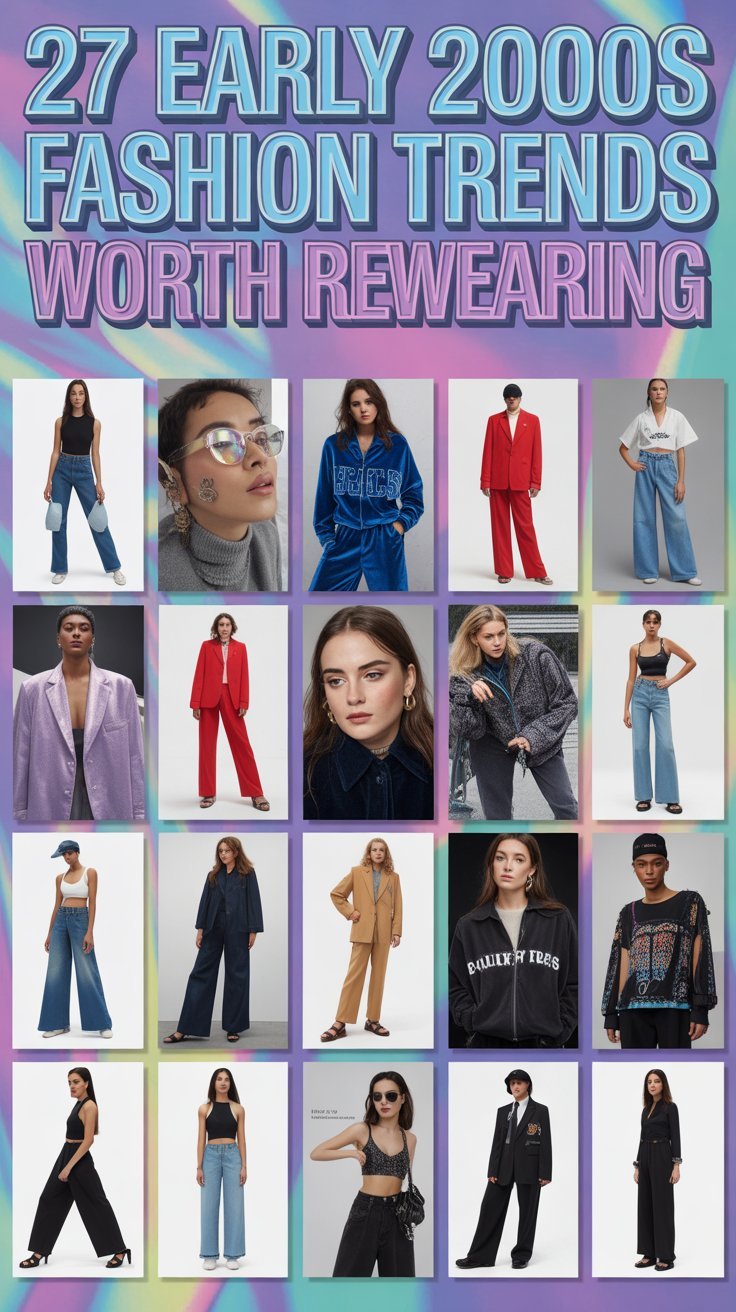
Remember when low-rise jeans ruled the world and velour tracksuits were the height of luxury? The early 2000s gave us some of fashion’s most memorable moments, and what once seemed dated now feels refreshingly nostalgic and surprisingly wearable.
This era brought us bold experiments with denim, playful accessories, and a carefree approach to mixing styles that today’s fashion landscape is eagerly embracing once again.
Whether you lived through the Y2K era or discovered it through vintage shops and social media, these 27 Early 2000s Fashion Trends Worth Rewearing prove that everything old becomes new again.
From practical everyday pieces to statement-making accessories, we’ll explore how to bring back these iconic looks with a modern twist that works for today’s world.
Get ready to revisit the fashion moments that defined a generation and discover why they deserve a second chance in your wardrobe.
1. Low-Rise Jeans
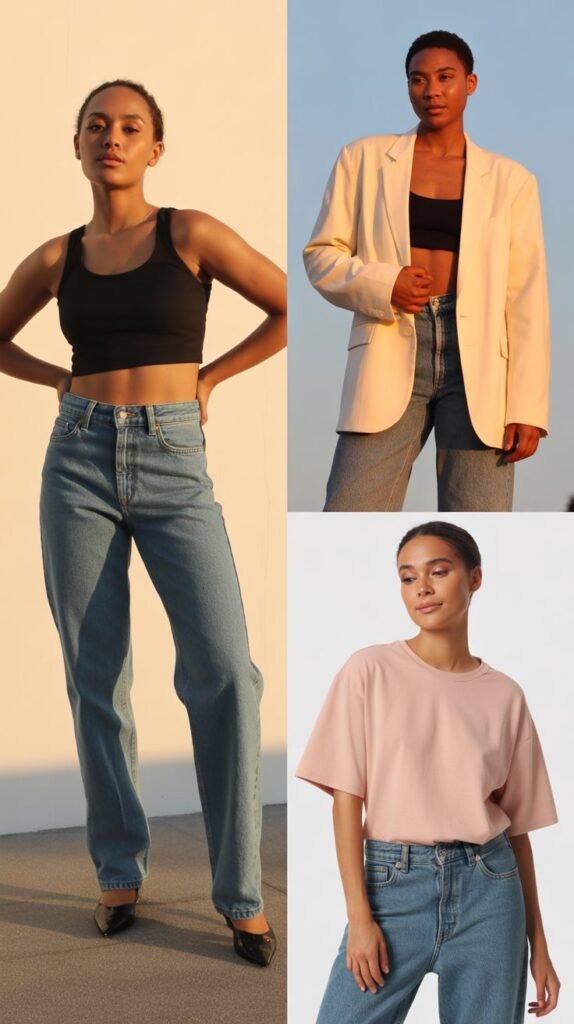
The most controversial comeback of recent years, low-rise jeans sat several inches below the natural waistline and defined the early 2000s silhouette.
These jeans are making their return with slightly higher rises than the extreme versions of the past, offering a compromise between vintage authenticity and modern comfort.
- Low-rise jeans typically sit 2-3 inches below the navel, creating a distinctive hip-hugging effect that elongates the torso.
- Modern versions often feature a 7-8 inch rise compared to the extreme 6-inch rises of the original 2000s styles.
- Pair them with longer tops or cropped jackets to balance the proportions and create a contemporary look.
- The key to wearing low-rise jeans today is confidence and finding the right rise that works for your body type.
- Look for styles with slight stretch for comfort while maintaining the authentic early 2000s aesthetic.
2. Velour Tracksuits
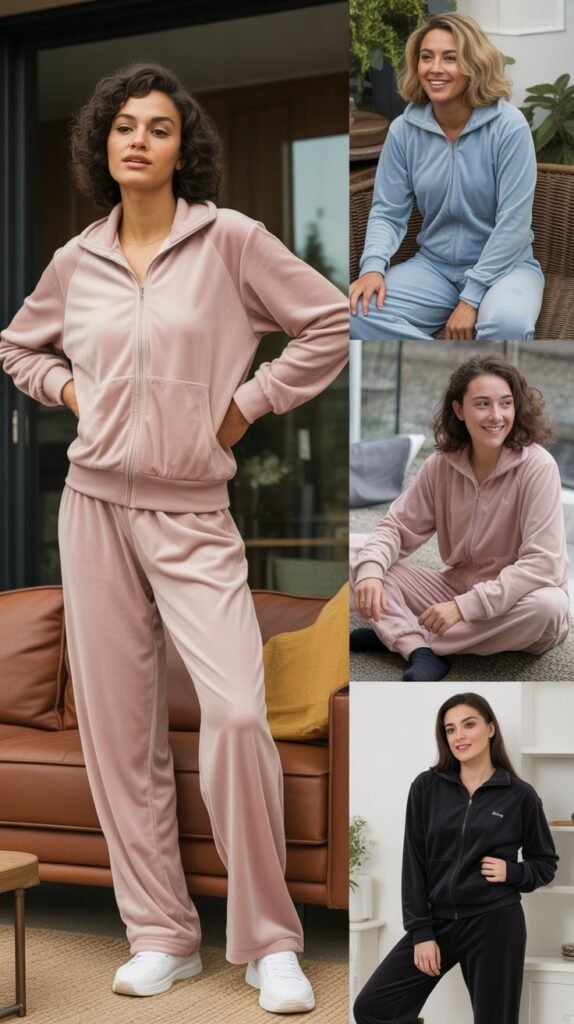
Made iconic by Juicy Couture, velour tracksuits represented casual luxury and were spotted on celebrities everywhere from coffee runs to airport terminals.
The matching zip-up hoodie and drawstring pants combo became synonymous with early 2000s leisure wear.
- Velour’s soft, plush texture offered both comfort and a polished appearance that elevated everyday casual wear.
- The original sets often featured rhinestone embellishments or embroidered logos across the back.
- Today’s versions come in more sophisticated color palettes beyond the original bright pinks and baby blues.
- Style the pieces separately to modernize the look—pair the hoodie with jeans or the pants with a sleek bodysuit.
- The tracksuit works perfectly for travel, casual weekends, or running errands while maintaining a put-together appearance.
3. Baby Tees
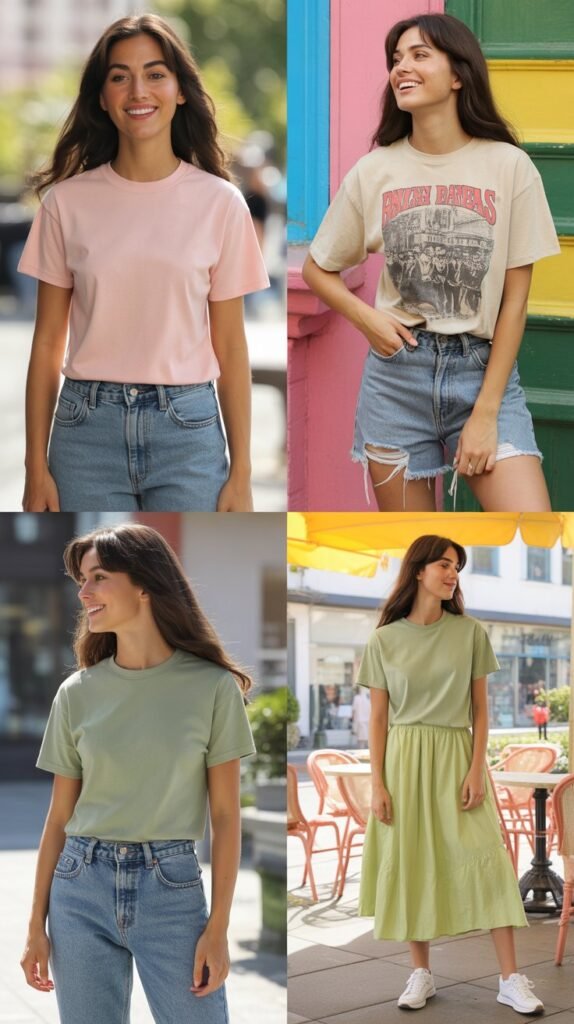
Tiny fitted t-shirts with cap sleeves became a wardrobe staple that worked with virtually everything from jeans to skirts.
These cropped or hip-length tops featured everything from brand logos to quirky graphics and baby-doll styling.
- Baby tees were characterized by their tight fit, short sleeves, and often cropped length that hit at or above the natural waist.
- Graphic versions featured band names, vintage logos, ironic phrases, or cute imagery that expressed personal style.
- Layer them under slip dresses, blazers, or denim jackets for a more current interpretation.
- The fitted silhouette creates a balanced look when paired with wider-leg pants or low-rise bottoms.
- Cotton-spandex blends provide the authentic stretchy fit that defined the original style.
4. Cargo Pants
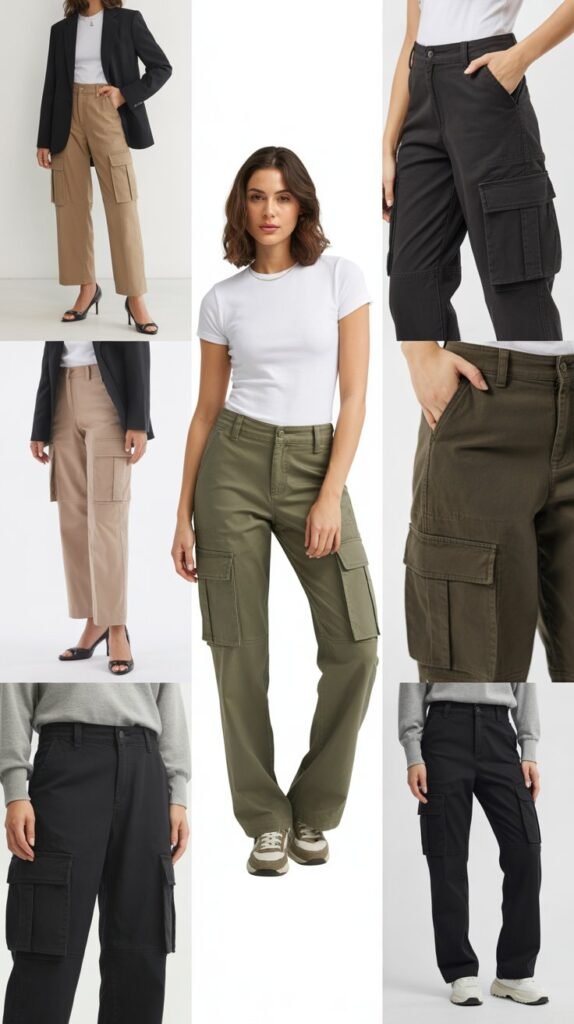
Utility-inspired cargo pants with multiple pockets offered both function and fashion in the early 2000s streetwear scene.
These relaxed-fit pants came in various fabrics from canvas to parachute material and appealed to both men and women.
- Cargo pants featured distinctive oversized pockets on the thighs that originally served military purposes.
- The early 2000s versions sat low on the hips and often had a baggy, relaxed fit through the legs.
- Modern interpretations offer more tailored fits while maintaining the signature pocket details.
- Style them with fitted tops and heeled boots to balance the utilitarian vibe with feminine touches.
- Look for versions in neutral tones or experiment with camo prints for an authentic throwback feel.
5. Denim on Denim
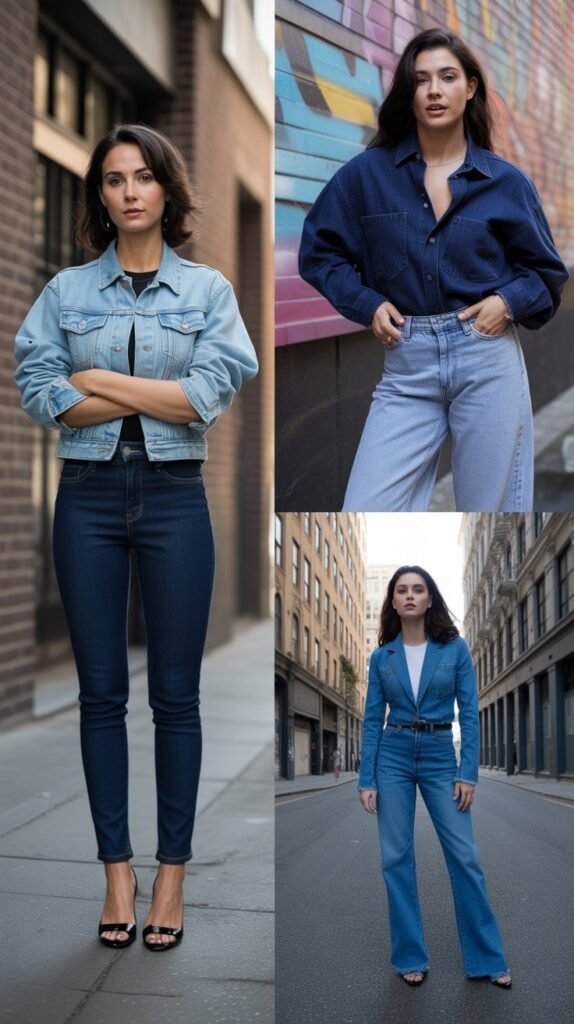
The Canadian tuxedo reached peak popularity in the early 2000s, with celebrities and fashion enthusiasts embracing matching denim sets.
This bold styling choice broke traditional fashion rules and created memorable red carpet moments.
- The key to successful denim-on-denim is varying the washes—pair light tops with dark bottoms or vice versa.
- Early 2000s versions often featured matching wash sets for a deliberate, coordinated look.
- Add a leather belt or statement accessories to break up the denim and add visual interest.
- Different denim textures like rigid versus stretch create subtle contrast within the monochromatic palette.
- The trend works with jean jackets, chambray shirts, denim skirts, or classic five-pocket jeans in countless combinations.
6. Butterfly Clips
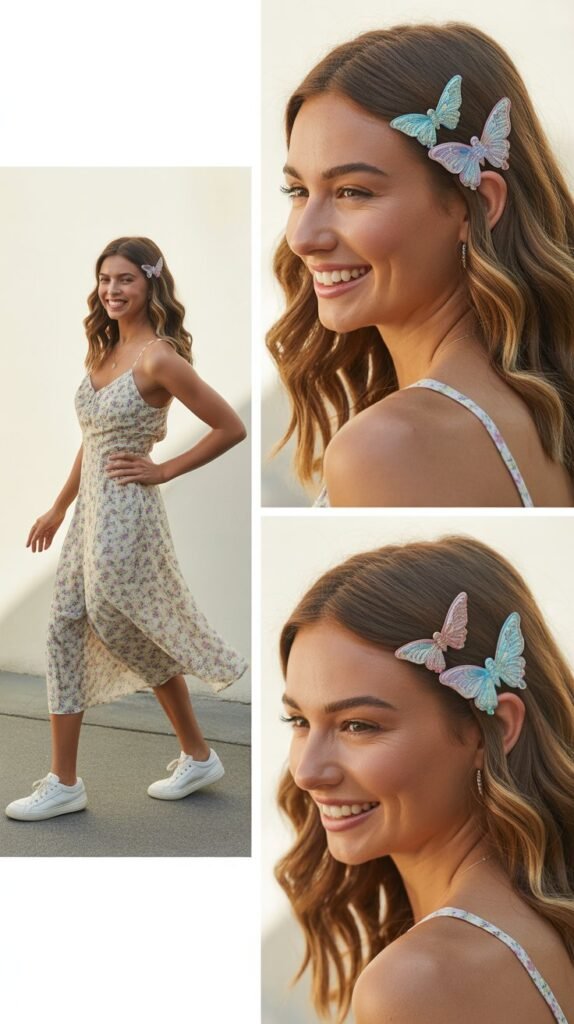
These spring-loaded hair accessories adorned heads everywhere, clustered along parts or scattered throughout hairstyles.
Butterfly clips came in various sizes and colors, from metallic finishes to jeweled versions.
- Butterfly clips used a hinged mechanism that made them easy to apply and remove without damaging hair.
- The early 2000s style involved using multiple clips in coordinating colors throughout the hair.
- Modern styling uses them more sparingly as accent pieces or to secure small sections.
- They work particularly well for creating 90s-inspired half-up styles or securing face-framing pieces.
- Available in everything from simple black to colorful prints and metallic finishes to match any outfit.
7. Chunky Highlights
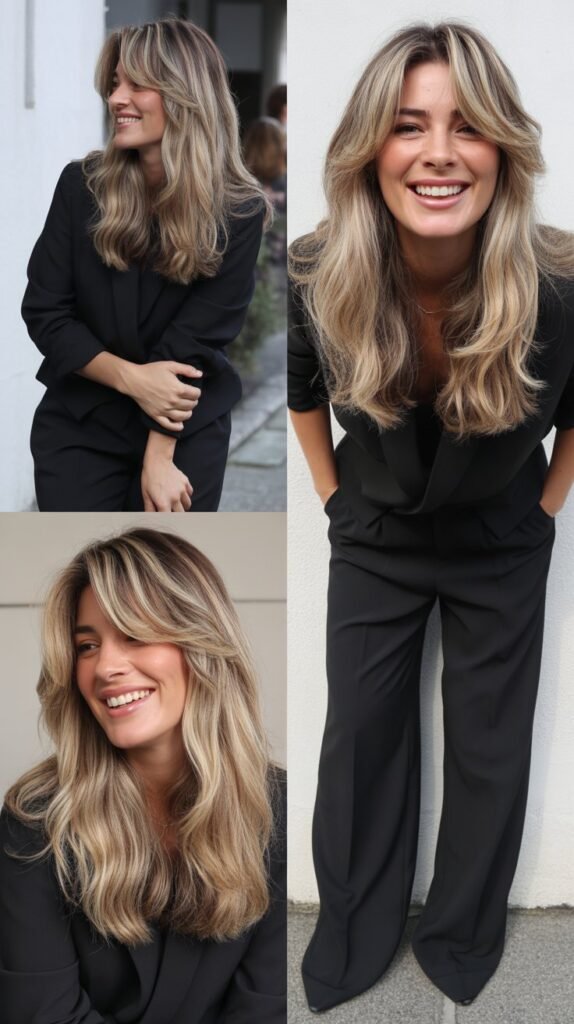
Bold, contrasting streaks of blonde against darker base colors created dramatic dimension that defined early 2000s hair color.
These highlights were intentionally visible and chunky rather than blended for a natural effect.
- Chunky highlights typically ranged from half-inch to inch-wide sections placed throughout the hair.
- The most popular combination featured platinum blonde streaks on dark brown or black hair.
- Face-framing highlights provided the most noticeable contrast and brightened the complexion.
- Today’s versions use slightly softer placement while maintaining the intentional, visible contrast.
- The technique works on all hair lengths but creates particularly striking effects on long, straight styles.
8. Trucker Hats
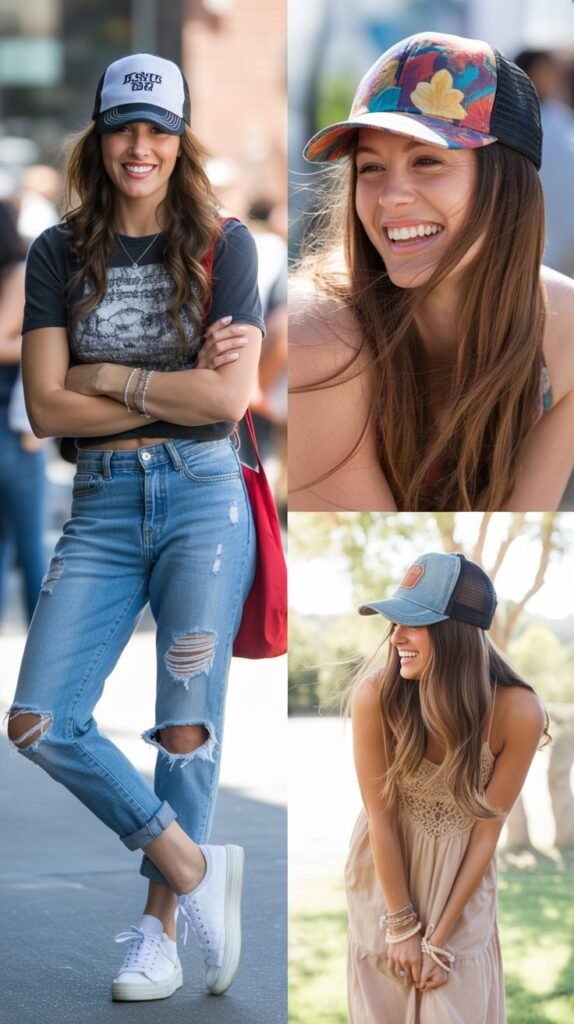
Originally workwear, trucker hats with mesh backs and foam fronts became unexpected fashion statements endorsed by celebrities and fashion brands alike.
Von Dutch, Ed Hardy, and countless other brands created logo-emblazoned versions.
- Trucker hats featured a foam front panel for logos or graphics and a mesh back for ventilation.
- The adjustable snapback closure made them one-size-fits-most accessories.
- Early 2000s styling involved wearing them slightly askew or with the brim curved.
- Modern versions come with vintage band logos, ironic phrases, or minimalist designs rather than loud brand names.
- They add a casual, effortless element to everything from sundresses to streetwear looks.
9. Popcorn Tops
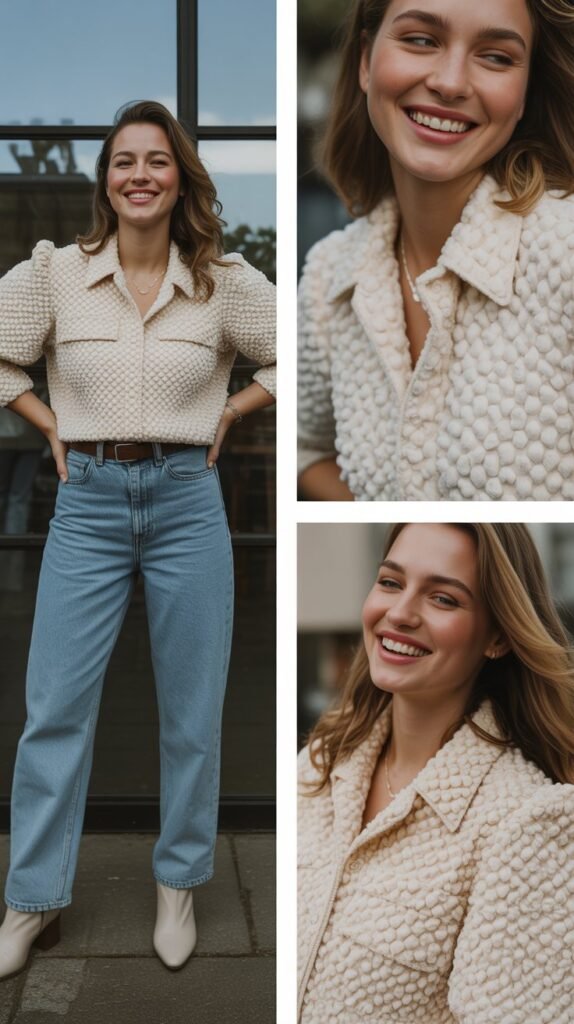
These textured knit tops featured a distinctive bubbled fabric that resembled popcorn kernels and provided visual interest through texture alone.
The stretchy material fit snugly and came in bright, saturated colors.
- Popcorn knit created its signature texture through a special knitting technique that produced raised bumps.
- The fabric had natural stretch that created a fitted silhouette without feeling restrictive.
- These tops came in various necklines from square necks to halter styles and spaghetti straps.
- Pair them with high-waisted jeans or skirts to balance the textured top half.
- The tactile nature of popcorn knit makes it particularly appealing in colder months when texture adds visual warmth.
10. Platform Flip-Flops
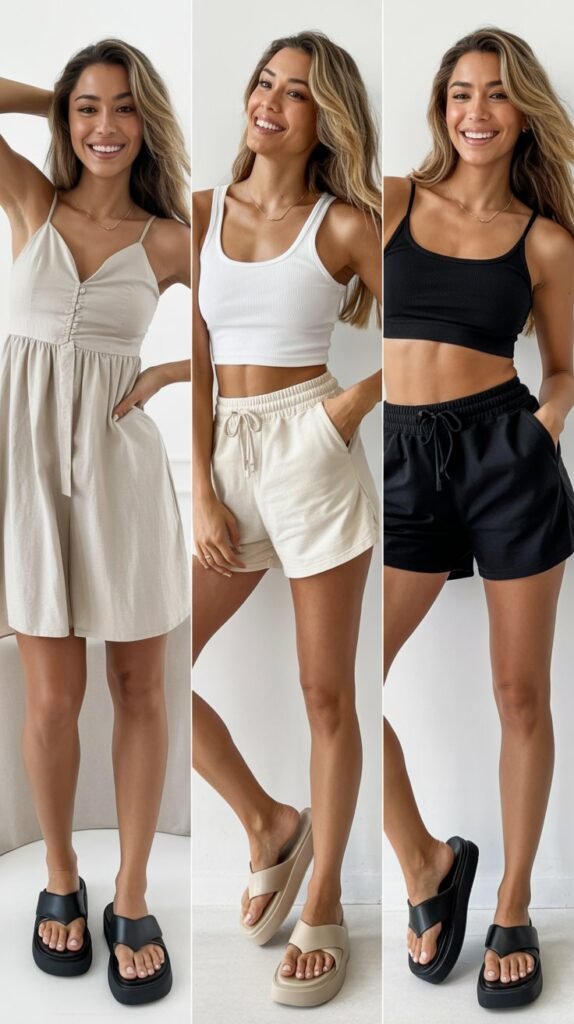
Casual footwear got a major height boost with platform flip-flops that added inches while maintaining the easy, slip-on convenience.
These ranged from modest one-inch platforms to towering styles reaching four inches or more.
- Platform flip-flops featured thick soles made from foam, cork, or rubber materials.
- The added height elongated legs while remaining more comfortable and stable than traditional heels.
- Popular versions included simple black styles and colorful options with embellishments like rhinestones or metallic finishes.
- They worked equally well at the beach, poolside, or as casual everyday footwear throughout summer.
- The chunky aesthetic aligned perfectly with the early 2000s preference for exaggerated proportions.
11. Graphic Tees with Logos
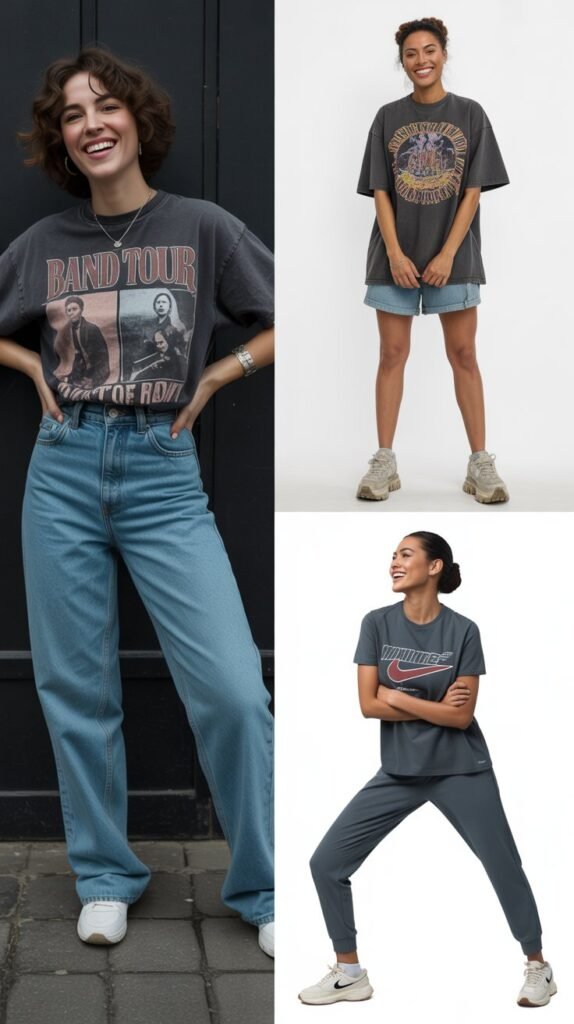
Oversized brand names and logos across the chest defined early 2000s casual style, with designer names becoming the graphic design.
These tees served as walking advertisements and status symbols.
- Logo tees featured prominently displayed brand names in bold typography across the chest or stomach area.
- The trend extended beyond fashion brands to include sports teams, universities, and pop culture references.
- Vintage and thrifted logo tees now offer authentic early 2000s styles without supporting fast fashion.
- Style them half-tucked into high-waisted jeans or layered under blazers for updated looks.
- The ironic appropriation of corporate branding made these tees both fashion statements and cultural commentary.
12. Skinny Scarves
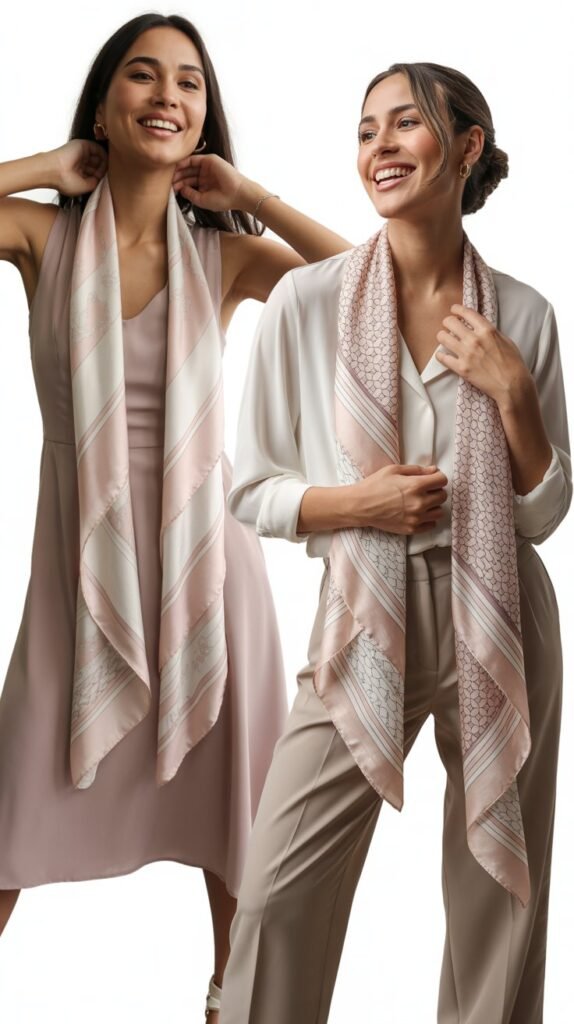
Long, narrow scarves worn loosely around the neck added a delicate accent to outfits without the bulk of traditional scarves.
These came in solid colors, prints, and various materials from silk to cotton.
- Skinny scarves measured approximately 2-3 inches wide and could reach several feet in length.
- They were worn loosely knotted, draped, or tied in small bows rather than wrapped for warmth.
- Popular patterns included stripes, paisley, and solid brights that added pops of color to neutral outfits.
- The accessory worked with everything from casual tees to tailored blazers for added visual interest.
- Silk versions offered a luxurious touch while cotton varieties provided casual, everyday appeal.
13. Shrug Cardigans
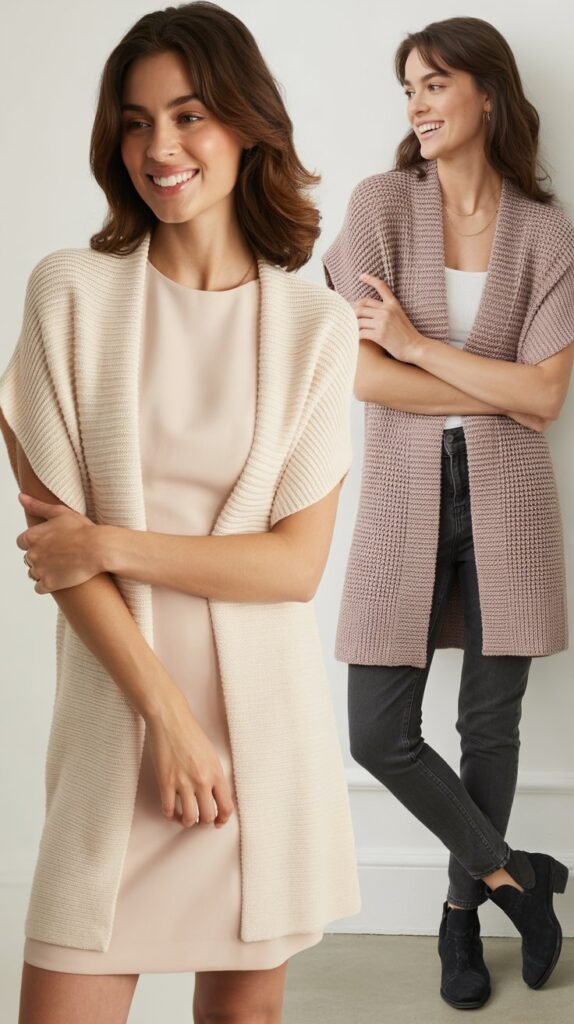
These cropped, often long-sleeved cardigans hit at the ribcage and provided just enough coverage over sleeveless tops and dresses.
Shrugs came in various materials from denim to knit to sequined fabrics.
- Shrugs typically ended just below the bust, providing shoulder coverage without adding bulk to the midsection.
- They solved the modesty problem of strapless or spaghetti-strap tops in conservative settings.
- Dressy versions with sequins, beading, or metallic threads transformed casual dresses into evening wear.
- The cropped length created a balanced proportion when worn with high-waisted or empire-waist bottoms.
- Knit shrugs offered warmth without the commitment of a full cardigan or jacket.
14. Bootcut Jeans
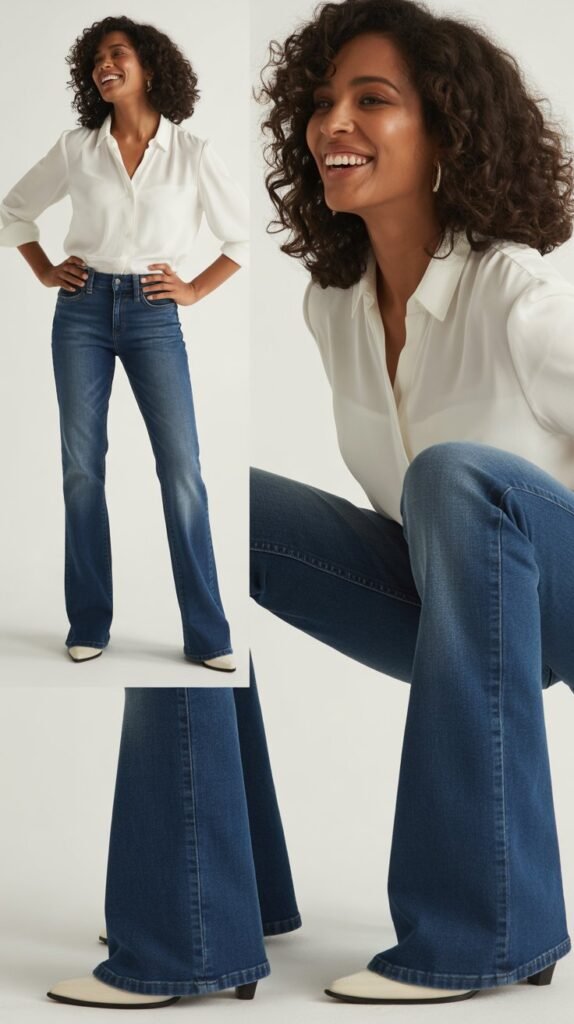
The slight flare from knee to hem defined the early 2000s denim silhouette and balanced wider hips while accommodating boots underneath.
These jeans offered a universally flattering alternative to straight-leg styles.
- Bootcut jeans featured a fitted hip and thigh with gradual widening from the knee to create a subtle flare.
- The style originated from Western wear designed to fit over cowboy boots.
- Early 2000s versions often incorporated distressing, whiskering, and decorative stitching on back pockets.
- The flare helps balance proportions for those with curvier hips or athletic builds.
- Pair them with heeled boots or platforms to maximize the leg-lengthening effect.
15. Colored Sunglasses
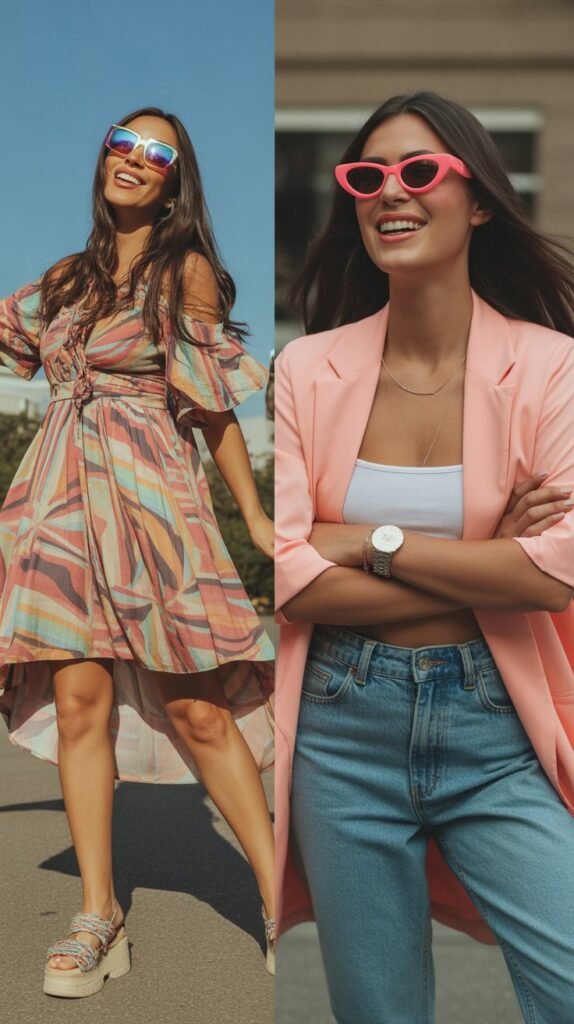
Tiny rectangular or oval frames in vibrant colors like pink, blue, and yellow made bold statements while providing minimal sun protection.
These narrow sunglasses became more about fashion than function.
- The narrow lens design measured significantly smaller than traditional sunglasses, sometimes less than an inch tall.
- Colored lenses ranged from subtle tints to bold, opaque colors that obscured the eyes completely.
- Wire or thin plastic frames kept the focus on the dramatic lens shape and color.
- Modern interpretations offer slightly larger sizes while maintaining the distinctive narrow aesthetic.
- These sunglasses work best as statement accessories rather than practical eyewear for sun protection.
16. Peasant Tops
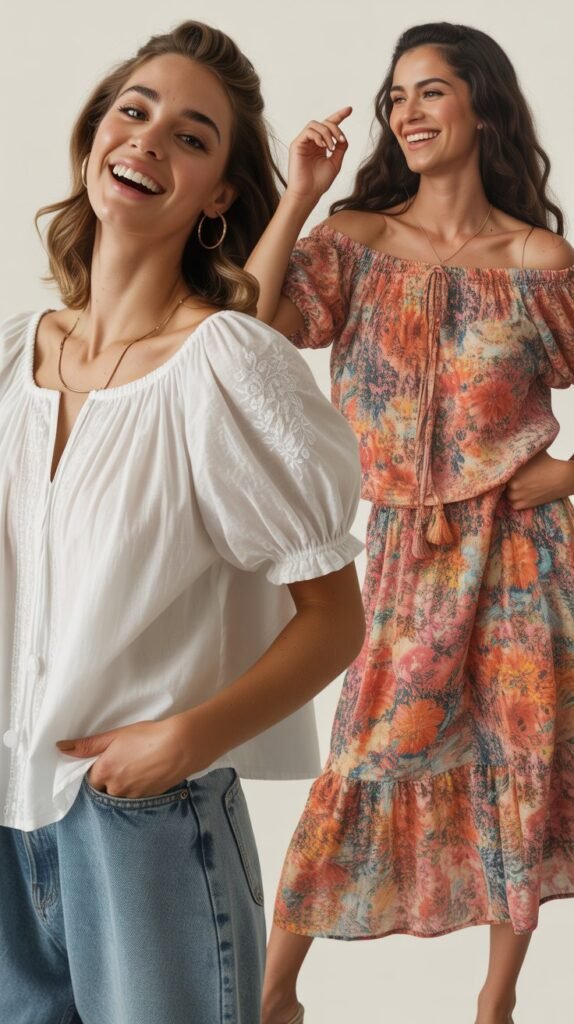
Romantic blouses with elastic necklines, puffed sleeves, and flowing fabrics brought bohemian influence to mainstream fashion.
These tops featured embroidery, eyelet details, and gathered fabric for a feminine silhouette.
- Peasant tops featured elasticized necklines that could be worn on or off the shoulders.
- Voluminous sleeves with elastic cuffs created a billowy, romantic silhouette.
- Common details included embroidered trim, lace inserts, or crochet accents along the neckline and sleeves.
- The loose, flowing fit made these tops comfortable for warm weather while maintaining a polished appearance.
- Pair them with fitted jeans or skirts to balance the volume on top.
17. Studded Belts
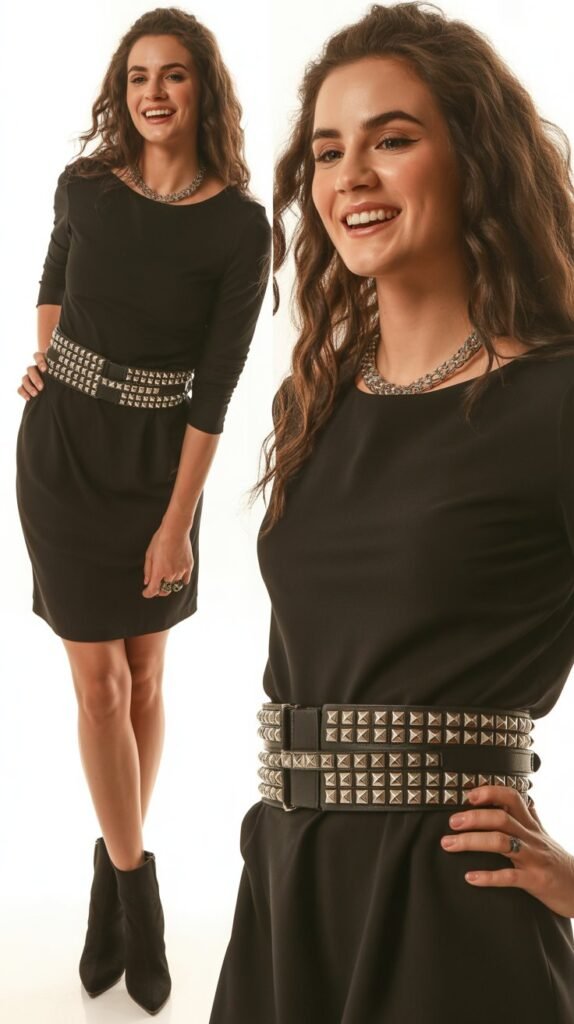
Wide leather belts with metal studs, chains, and oversized buckles added edge to both casual and dressy outfits.
These accessories bridged punk influence with mainstream fashion.
- Studded belts typically measured 1.5 to 3 inches wide and featured pyramid studs or round metal embellishments.
- They were worn at the natural waist over low-rise jeans or layered over dresses and long tops.
- The hardware ranged from silver to gold tones and included everything from simple studs to complex chain details.
- These belts added definition to shapeless silhouettes while incorporating rock-and-roll attitude.
- Modern versions work well to break up monochromatic outfits or add interest to simple dresses.
18. Capri Pants
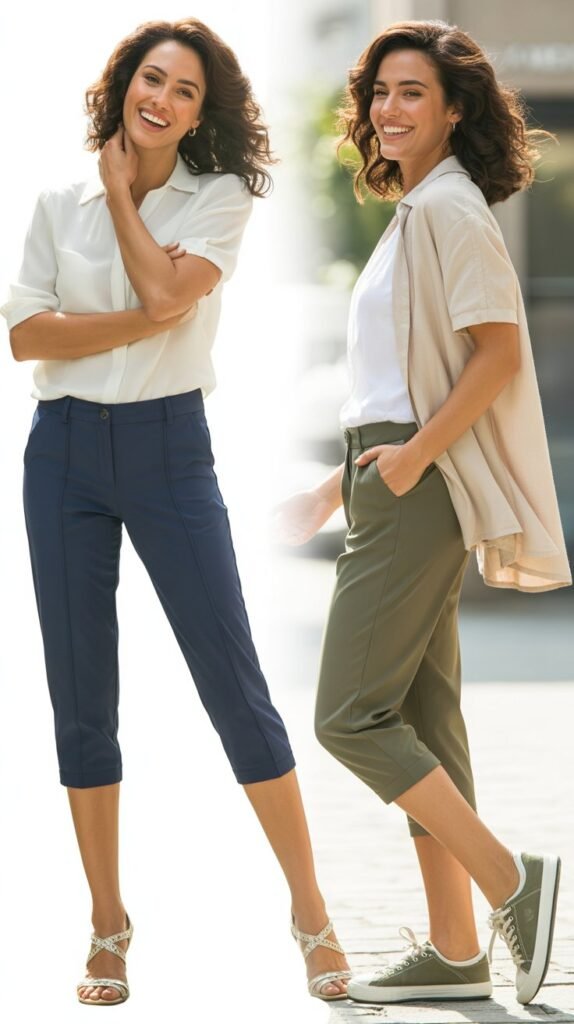
Cropped pants ending mid-calf offered a practical alternative to full-length trousers during warmer months.
These came in various styles from casual cotton to tailored business versions.
- Capri pants typically ended anywhere from just below the knee to mid-calf, with the most flattering length hitting the slimmest part of the calf.
- Early 2000s versions came in denim, khaki, and stretch cotton in both fitted and relaxed silhouettes.
- The cropped length provided cooling comfort while maintaining more coverage than shorts.
- Pair them with pointed-toe flats or sandals to elongate the leg line and balance the shortened hemline.
- They work particularly well for petite frames as they don’t overwhelm shorter statures.
19. Messenger Bags
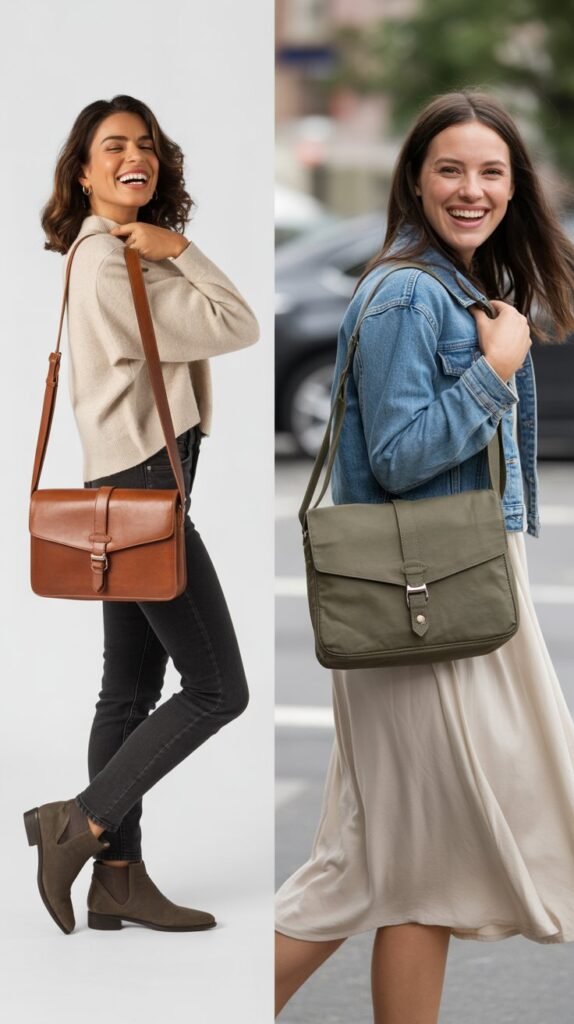
Canvas or leather bags worn across the body with wide straps offered hands-free convenience with utilitarian style.
These bags originated from bike messenger culture and transitioned into mainstream fashion.
- Messenger bags featured a large flap closure secured with buckles, snaps, or Velcro.
- The wide, adjustable strap distributed weight evenly across the body for comfortable carrying of heavy loads.
- Interior organization often included multiple pockets and padded laptop compartments.
- Canvas versions offered casual, durable options while leather styles provided professional alternatives.
- The crossbody wearing style kept the bag secure and hands free for commuting or travel.
20. Layered Tank Tops
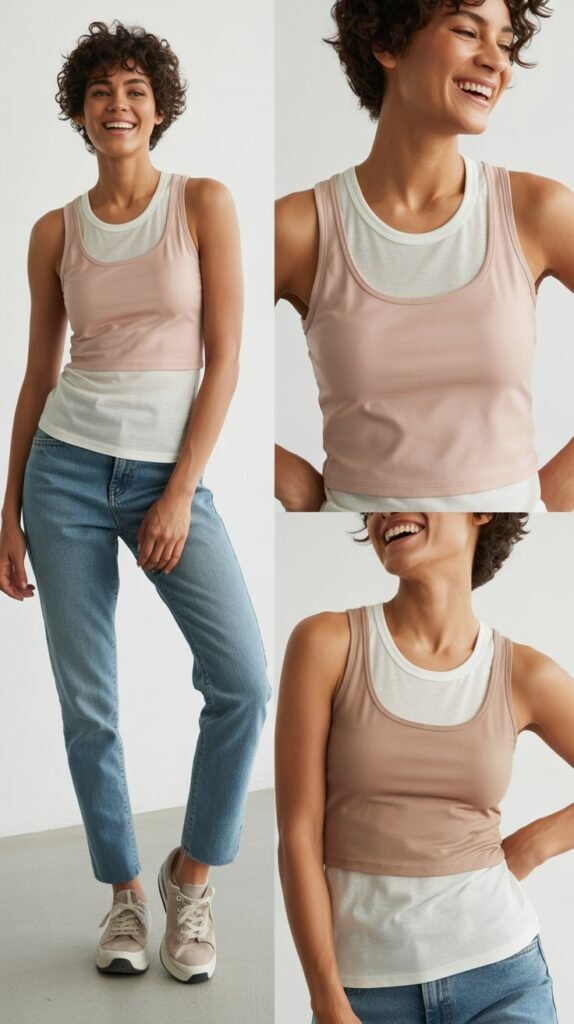
Multiple tank tops in complementary or contrasting colors worn simultaneously created depth and dimension.
This layering technique allowed for creative color combinations and extended the versatility of basic pieces.
- Layering typically involved two to three tanks with the bottom layer featuring wider straps and each successive layer getting narrower.
- Color combinations ranged from tonal variations to bold contrasts that made each layer distinctly visible.
- The technique added coverage and modesty to low-cut or sheer single tanks.
- Different length tanks created visual interest with hems peeking out at varying points.
- This styling choice worked with everything from jeans to skirts and could transition from casual to athletic wear.
21. Ponchos
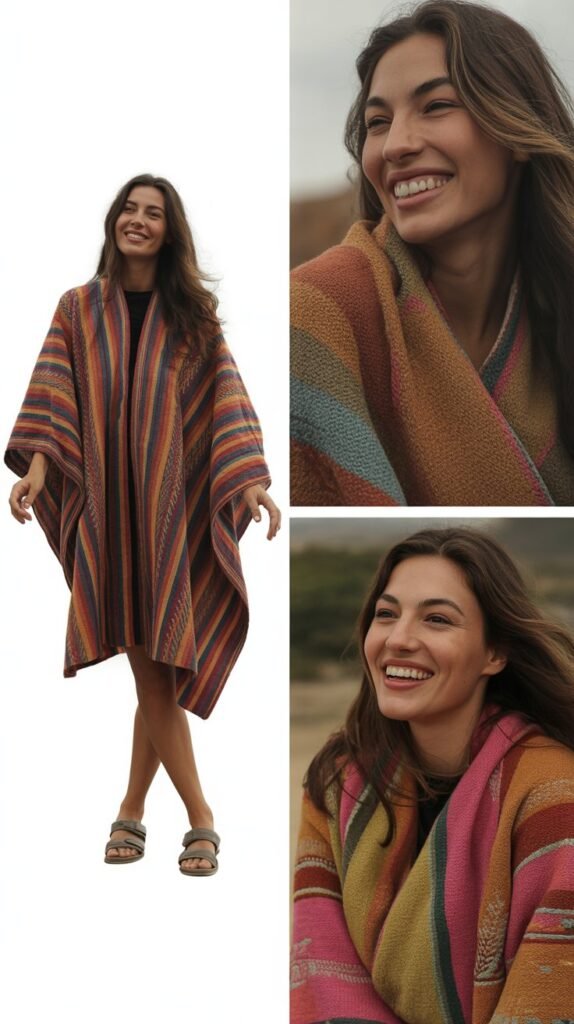
Versatile outerwear pieces with origins in South American tradition became mainstream fashion during the early 2000s boho trend.
These draped garments offered warmth without the structure of traditional jackets.
- Ponchos featured a simple construction with an opening for the head and draping fabric covering the torso and arms.
- Fringe details along the bottom hem and armholes added movement and authentic bohemian styling.
- Materials ranged from chunky knits for cold weather to lighter woven fabrics for transitional seasons.
- Patterns included Fair Isle, aztec prints, and solid colors with decorative trim.
- The loose fit accommodated multiple layers underneath while maintaining a relaxed, flowing silhouette.
22. Gauchos
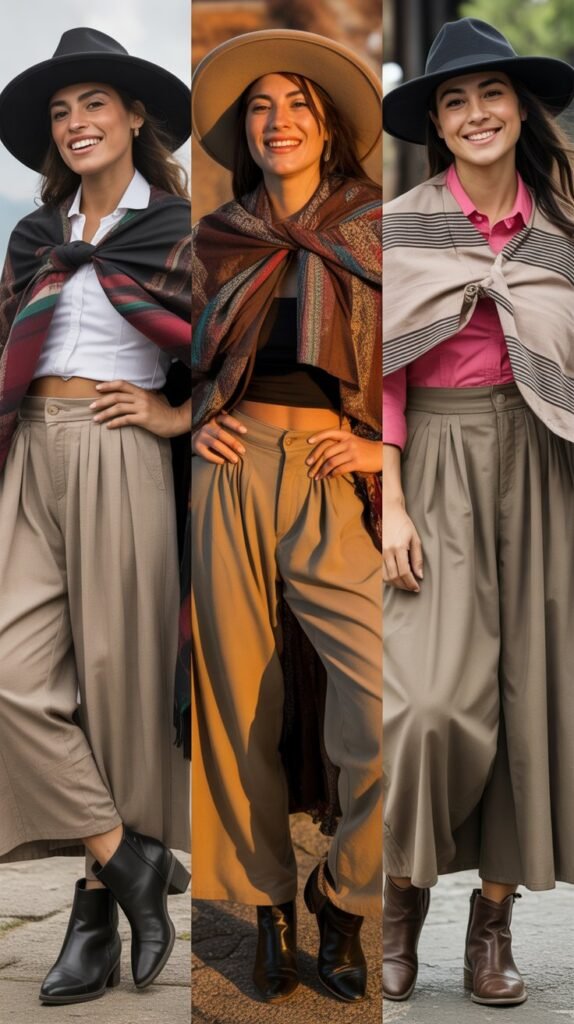
Wide-legged cropped pants that resembled skirts from a distance offered the coverage of pants with the movement and style of a skirt.
These typically hit just below the knee or mid-calf.
- Gauchos featured extremely wide legs that created a culottes-like silhouette while maintaining distinct pant legs.
- The cropped length and wide leg created a balanced proportion that worked well for various body types.
- Common fabrics included flowing materials like rayon or structured options like denim and cotton twill.
- They offered practical comfort in warm weather while providing more coverage than shorts or skirts.
- Pair with fitted tops and heels to balance the volume and create a cohesive outfit.
23. Ribbon Belts
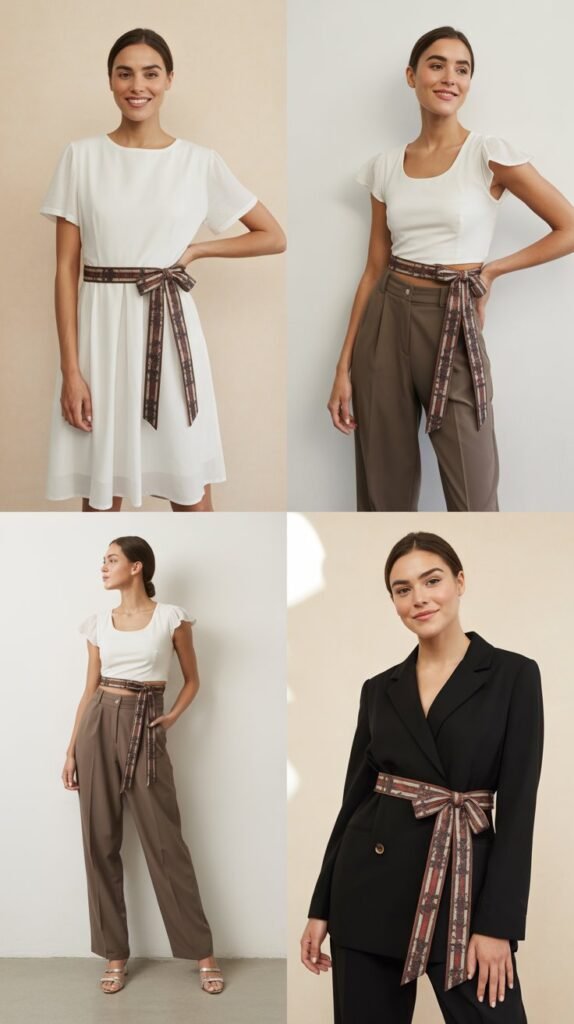
Grosgrain ribbon belts with simple buckles or D-ring closures added preppy charm to casual outfits.
These colorful accessories came in stripes, patterns, and solid colors that matched or contrasted with outfits.
- Ribbon belts featured sturdy grosgrain ribbon typically measuring 1 to 1.5 inches wide.
- Metal or leather hardware provided functional closure while maintaining the belt’s lightweight feel.
- Popular patterns included stripes, polka dots, and nautical themes in bright, preppy color combinations.
- The belts added definition to loose dresses and tunics without the weight of leather alternatives.
- They injected personality and color into neutral outfits with minimal effort.
24. Terry Cloth Everything
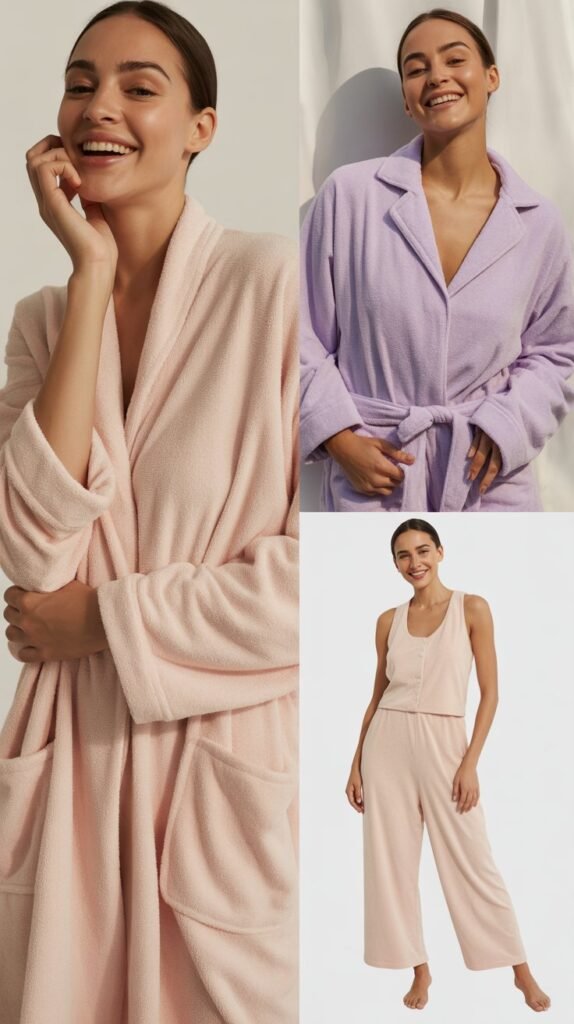
Spa-inspired terry cloth fabric moved beyond bathrobes into casual wear including shorts, dresses, headbands, and wristbands.
The absorbent, textured material brought athletic influences into everyday fashion.
- Terry cloth’s looped pile construction created a distinctive soft texture and high absorbency.
- Fashion applications included tube tops, mini skirts, tracksuits, and casual dresses in beach-appropriate colors.
- Headbands and wristbands brought athletic styling into casual wear beyond the gym.
- The fabric’s casual nature made it perfect for resort wear, beachwear, and relaxed summer outfits.
- Modern interpretations focus on high-quality terry in sophisticated cuts rather than costume-like pieces.
25. Arm Warmers
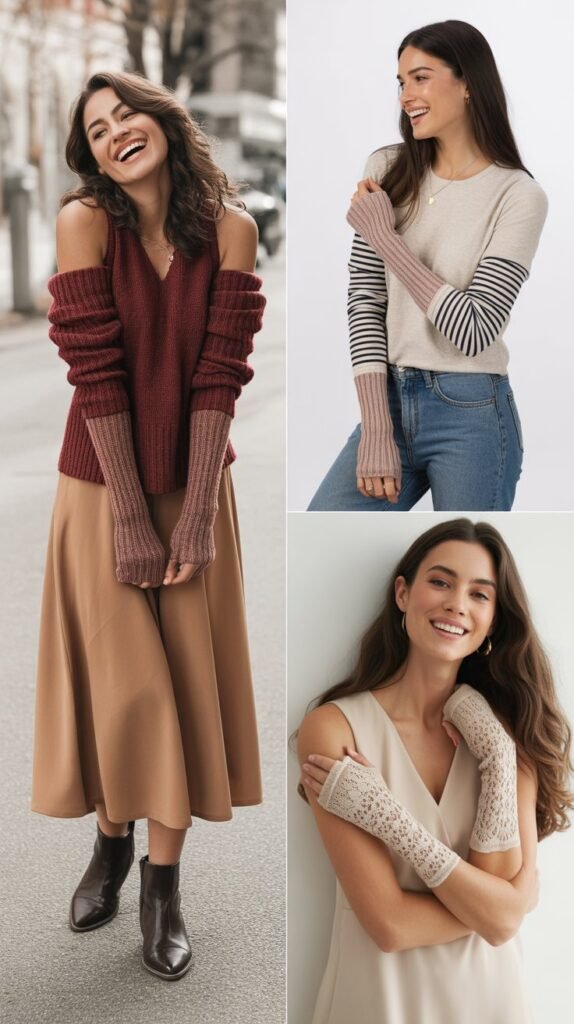
Fingerless gloves that extended from wrist to elbow or beyond added a punk-influenced edge to outfits.
These came in various materials from knit to fishnet to lace.
- Arm warmers provided warmth to forearms while keeping hands and fingers free for functionality.
- Materials ranged from cozy knits for practical warmth to fishnet and lace for pure aesthetic appeal.
- They incorporated punk and gothic influences into mainstream fashion styling.
- Thumbholes kept the warmers securely in place and prevented them from riding up.
- Layer them over long sleeves for extra warmth or wear with short sleeves for dimensional styling.
26. Beaded Jewelry
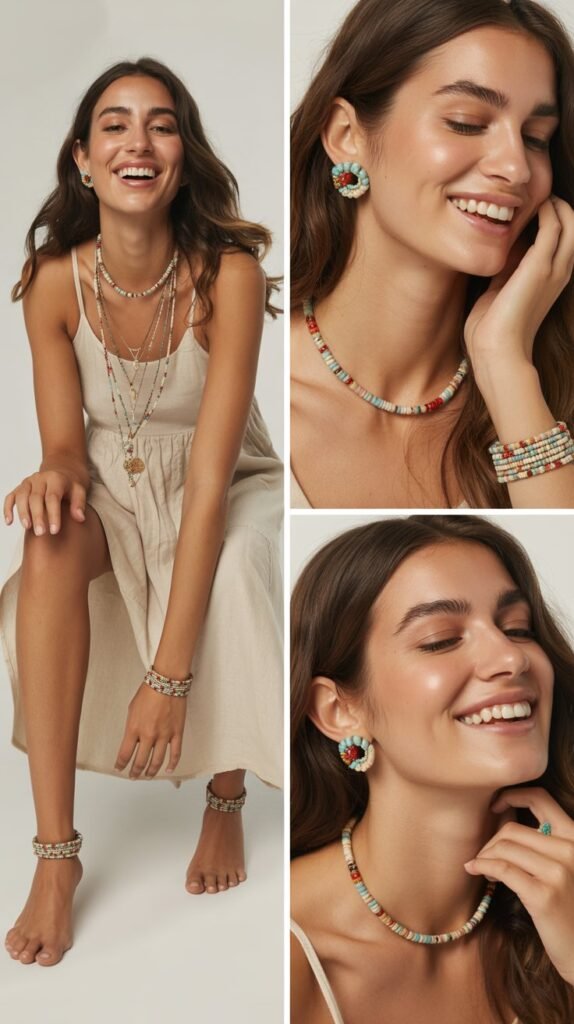
Colorful plastic beads on elastic string created playful accessories from necklaces to bracelets to anklets.
These handmade-looking pieces ranged from simple single-strand styles to elaborate multi-layered creations.
- Beaded jewelry featured pony beads, seed beads, or alphabet beads strung on elastic cord for easy wearing.
- Popular styles included chokers, long necklaces, stacked bracelets, and anklets worn in multiples.
- Personalized pieces spelled out names, words, or phrases using alphabet beads.
- The stretchy construction made the jewelry easy to put on and take off without clasps.
- DIY versions allowed for personal creativity and customization to match any outfit or express individual style.
27. Handkerchief Hems
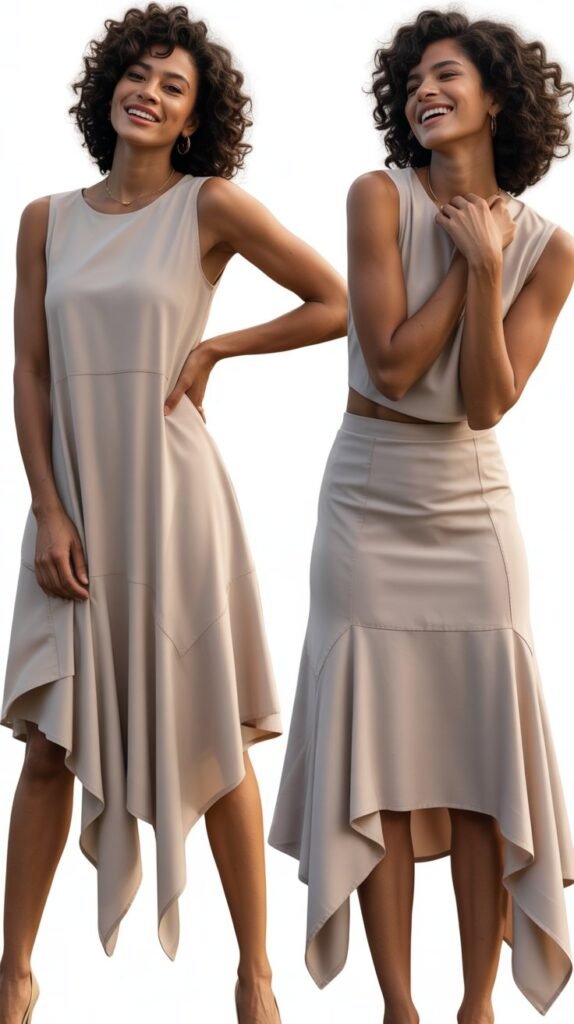
Asymmetrical, pointed hemlines that resembled handkerchiefs added movement and visual interest to skirts, dresses, and tops.
These uneven hems created a fairy-like, whimsical aesthetic.
- Handkerchief hems featured multiple points creating an uneven, zigzag hemline that moved dynamically.
- The design worked particularly well in flowing fabrics like chiffon, jersey, and silk that emphasized the movement.
- Asymmetrical lengths added dimension to simple silhouettes without complicated construction details.
- The style disguised hemming imperfections while creating intentionally undone, bohemian vibes.
- Modern versions offer slightly more subtle point variations while maintaining the signature asymmetrical aesthetic.
Conclusion
The fashion landscape continues to prove that style truly is cyclical, and these 27 Early 2000s Fashion Trends Worth Rewearing demonstrate the enduring appeal of Y2K aesthetics.
What makes these trends particularly relevant today is our ability to reinterpret them through a modern lens, taking the best elements while leaving behind the excess.
Whether you’re drawn to the casual comfort of velour tracksuits, the edgy appeal of studded belts, or the playful nostalgia of butterfly clips, there’s something in this era for everyone to embrace.
The key to successfully incorporating these trends into your current wardrobe lies in selective styling, mixing vintage pieces with contemporary basics, and wearing everything with the confidence that defined the original era.
Fashion’s circular nature means that the trends we once retired often return with renewed relevance, and the early 2000s are having their well-deserved moment in the spotlight once again.
Step back into these iconic looks, remix them for today’s world, and enjoy the perfect blend of nostalgia and contemporary style that makes fashion endlessly fascinating.