
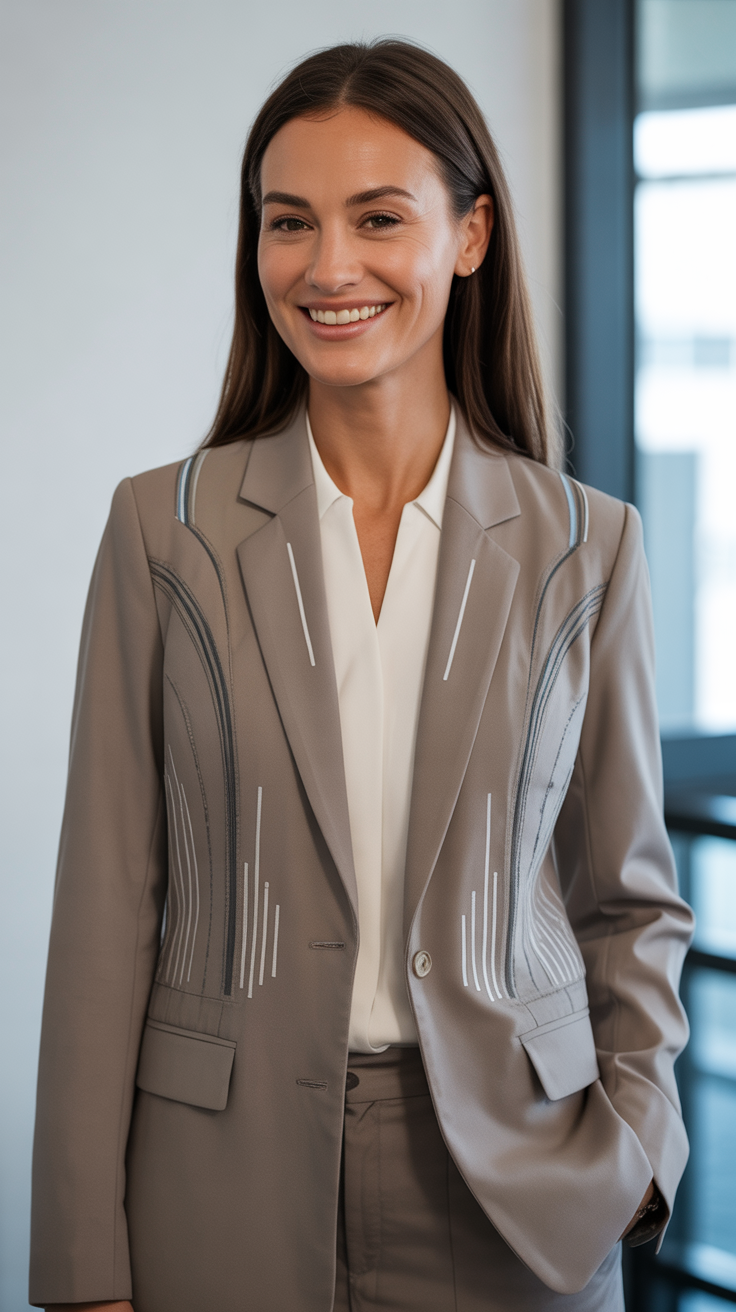
The modern workplace is evolving, and so is the way women dress for success. As we navigate through 2026, the boundaries between professional and personal style have blurred beautifully, creating opportunities for self-expression that honor both comfort and confidence.
Whether you’re returning to a traditional office, working in a hybrid environment, or presenting at high-stakes meetings, your wardrobe choices speak volumes before you say a word.
This comprehensive guide to 30 Trend-Forward Office Outfits for Women in 2026 will transform how you approach professional dressing, offering fresh perspectives on power dressing that align with contemporary values of sustainability, inclusivity, and individuality.
From reimagined tailoring to tech-integrated fabrics, from bold color statements to minimalist sophistication, you’ll discover outfit formulas that work for every body type, budget, and workplace culture.
Get ready to build a wardrobe that doesn’t just meet dress codes but exceeds expectations, helping you feel powerful, comfortable, and authentically yourself from Monday morning meetings to Friday evening networking events.
1. The Power Suit Reinvented
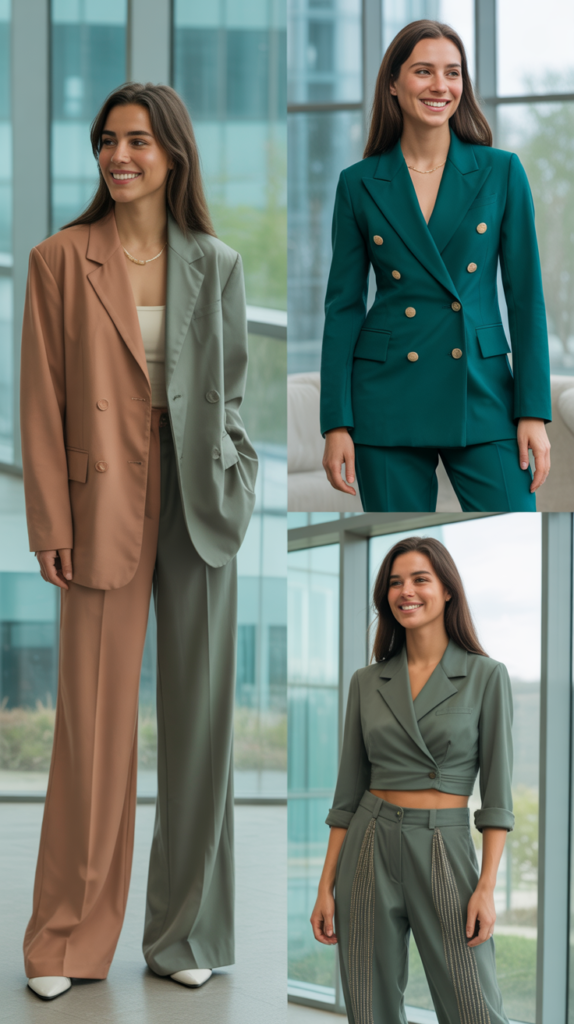
The classic power suit has undergone a remarkable transformation for 2026, moving beyond traditional corporate constraints into territory that celebrates both authority and individuality.
Today’s power suits feature unexpected cuts, sustainable fabrics, and design elements that honor feminine silhouettes without compromising on professional gravitas.
The reinvented power suit offers versatility through mix-and-match separates, allowing you to create multiple looks from a single investment.
Outfit Details:
- Oversized Blazer with Tapered Trousers: Creates a balanced silhouette that’s both commanding and comfortable, perfect for all-day wear and client presentations.
- Monochromatic Suit in Unexpected Colors: Think sage green, terracotta, or dusty lavender instead of traditional navy or black for memorable visual impact.
- Textured Fabric Combinations: Incorporate wool blends with subtle patterns, herringbone weaves, or recycled polyester that looks luxe while supporting sustainability goals.
- Deconstructed Blazers: Unlined jackets with softer shoulders offer ease of movement while maintaining sharp, professional lines.
- Mix-and-Match Separates Strategy: Invest in blazers and trousers that work together and apart, multiplying your outfit options exponentially.
2. Elevated Knitwear Ensembles
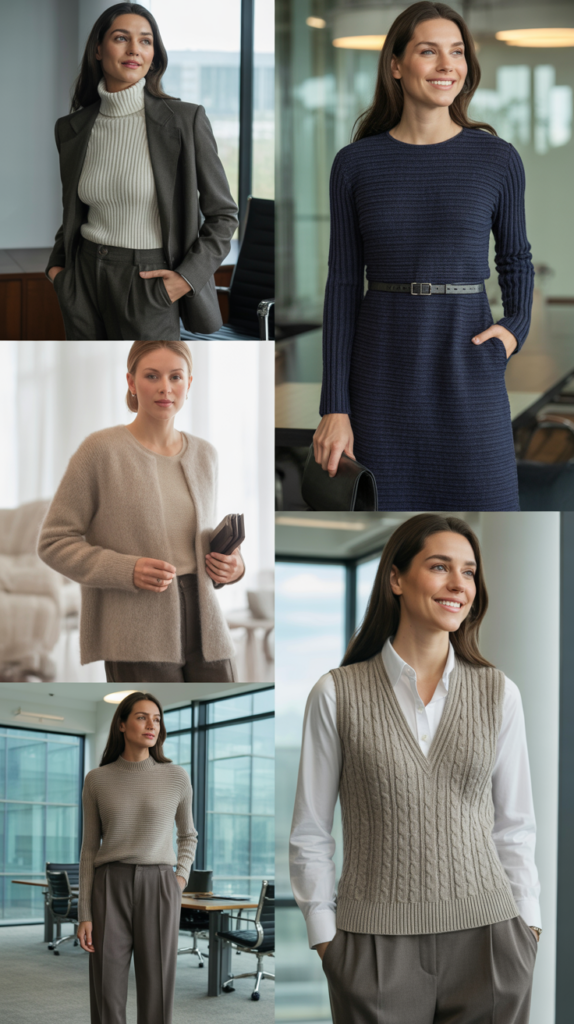
Knitwear has graduated from casual Fridays to legitimate office attire, with 2026 bringing sophisticated designs that rival traditional workwear in polish and professionalism.
The key lies in choosing structured knits, refined textures, and layering techniques that communicate competence while delivering unmatched comfort.
Modern knit technology creates pieces that resist pilling, maintain shape, and regulate temperature throughout your workday.
Outfit Components:
- Fine-Gauge Turtleneck Under Structured Blazer: This combination offers warmth, sophistication, and a streamlined silhouette suitable for conservative office environments.
- Knit Dress with Leather Belt: Defines the waist and creates structure while maintaining the comfort factor that makes knitwear appealing.
- Matching Cardigan and Shell Sets: Provides flexibility to adjust to varying office temperatures while looking intentionally coordinated.
- Ribbed Knit Pencil Skirts: Offer stretch and comfort without sacrificing the polished appearance of traditional pencil skirts.
- Merino Wool Basics: Temperature-regulating, naturally odor-resistant, and available in every color imaginable for wardrobe building.
3. Statement Blouses with Classic Bottoms
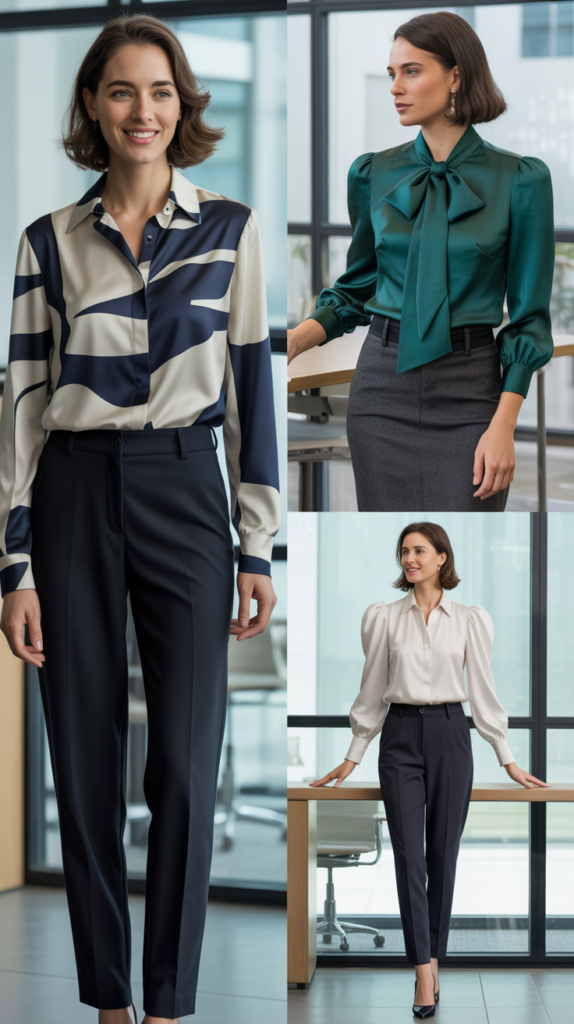
The strategic pairing of eye-catching tops with understated bottoms creates outfits that feel fresh without overwhelming your professional presence.
Statement blouses in 2026 feature artistic prints, architectural details, and luxe fabrics that elevate simple trousers or skirts into memorable ensembles.
This approach allows personality to shine through while maintaining the polish expected in professional settings.
Styling Guidelines:
- Bold Prints with Neutral Bottoms: Let a printed blouse become the focal point by pairing it with black, navy, gray, or camel trousers or skirts.
- Architectural Sleeve Details: Puffed, bell, or sculptural sleeves add visual interest and contemporary edge to otherwise simple outfits.
- Luxe Fabric Choices: Silk, satin, or high-quality synthetic blends catch light beautifully and feel special against the skin.
- Neckline Variety: Experiment with pussy bows, mandarin collars, or asymmetric necklines to keep your workweek wardrobe from feeling repetitive.
- Tucking Techniques: Master the full tuck, half tuck, and French tuck to create different silhouettes with the same pieces.
4. The Modern Midi Dress
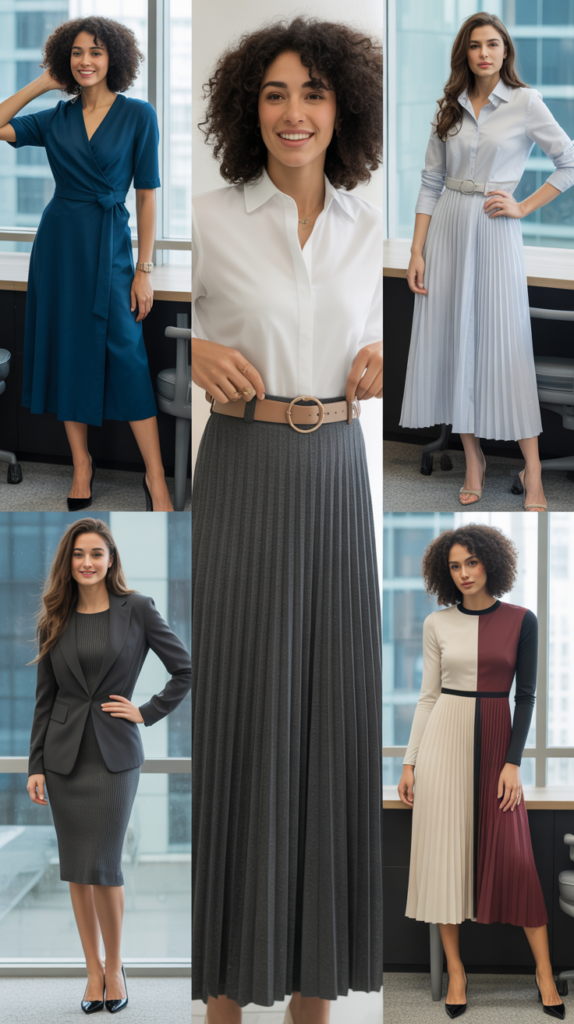
Midi dresses have become workplace staples, offering one-and-done outfit solutions that require minimal styling effort while delivering maximum impact.
The 2026 versions feature work-appropriate cuts, professional prints, and versatile designs that transition seamlessly from desk to dinner.
These dresses eliminate the decision fatigue of coordinating separates while ensuring you always look put-together.
Dress Variations:
- Wrap Dress Updated: The classic silhouette now comes in sustainable fabrics, contemporary colors, and patterns that feel fresh yet timeless.
- Shirt Dress Reinvented: Features like asymmetric hems, interesting button placements, or contrasting collar details modernize this wardrobe workhorse.
- Pleated Midi Dresses: Add movement and femininity while maintaining appropriate length and coverage for professional environments.
- Fitted Knit Dresses: When paired with a blazer or structured cardigan, these dresses offer comfort without sacrificing polish.
- Color-Blocked Designs: Create visual interest through strategic color placement that flatters various body types and personal color palettes.
5. Tailored Wide-Leg Trousers
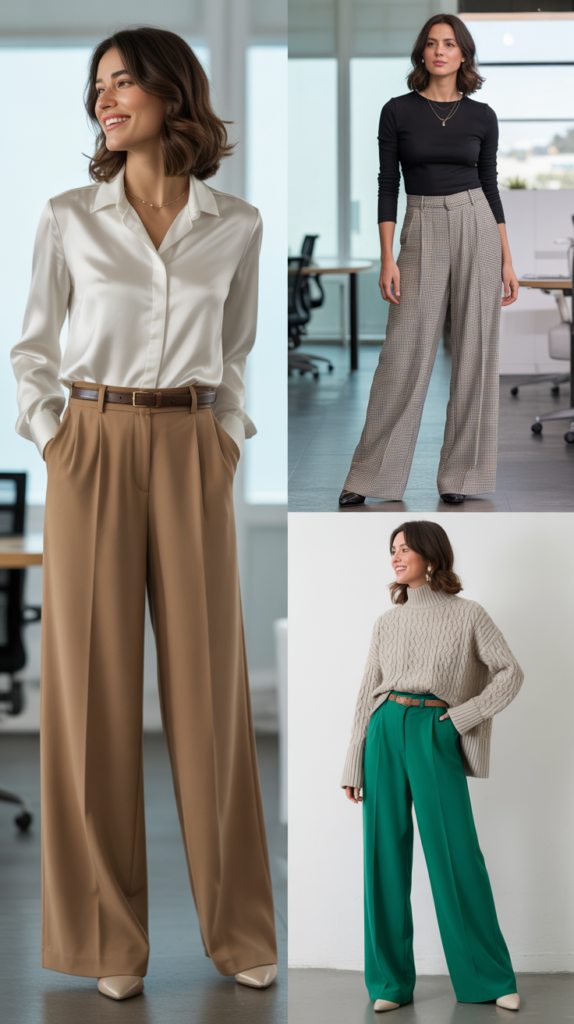
Wide-leg trousers have claimed their place as the power bottom of 2026, offering comfort, sophistication, and a refreshing alternative to skinny silhouettes.
These pants elongate the leg, provide ease of movement, and create a statement without effort.
The key is finding the right rise and length for your proportions while choosing fabrics that hold structure throughout the day.
Styling Success:
- High-Rise Styles: Create the most flattering proportions by sitting at the natural waist and elongating the lower body.
- Balanced Proportions: Pair wide legs with fitted or semi-fitted tops to avoid overwhelming your frame.
- Fabric Selection: Choose materials with enough weight and structure to drape properly without clinging or bunching.
- Length Matters: The hem should skim the top of your shoe, creating a clean line that lengthens the leg.
- Color Experimentation: Move beyond black and navy into rich jewel tones, earth tones, or even pastels for seasonal interest.
6. Blazer and Denim Combinations
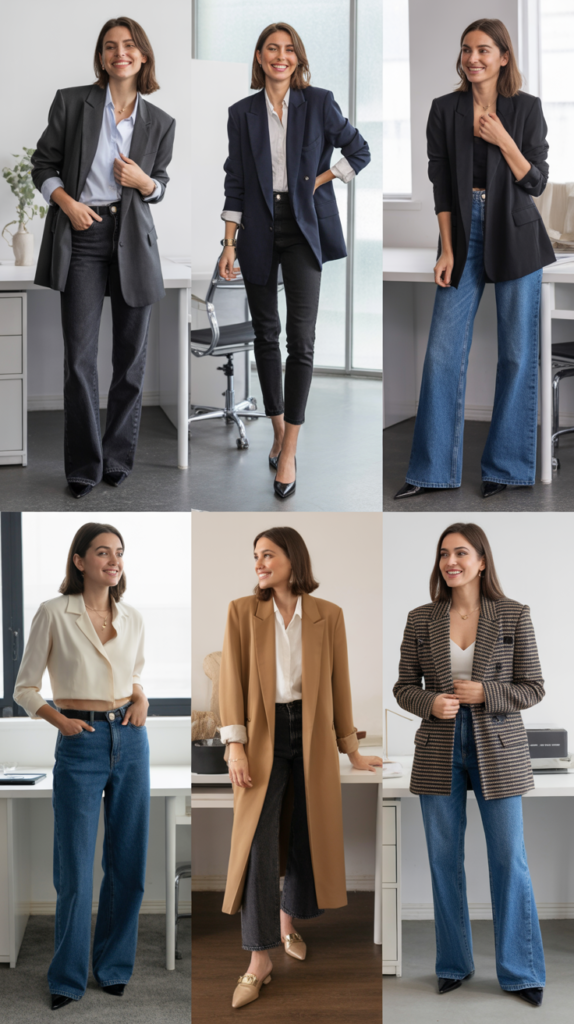
The integration of premium denim into office wardrobes represents one of 2026’s most significant workplace fashion shifts.
When styled correctly, dark-wash, well-fitted jeans paired with structured blazers create smart-casual outfits appropriate for many modern workplaces.
This combination speaks to evolving office cultures that value authenticity and comfort alongside professionalism.
Denim Office Guidelines:
- Darkness Equals Formality: Stick to dark indigo or black denim for the most professional appearance.
- Perfect Fit Priority: Jeans should be tailored to your body, free of distressing, rips, or excessive fading.
- Blazer Structure: The more casual the denim, the more structured your blazer should be to balance the outfit.
- Shoe Selection: Elevate denim with loafers, block heels, ankle boots, or polished flats rather than sneakers.
- Know Your Workplace: Gauge your office culture carefully before introducing denim into your rotation.
7. Monochromatic Color Stories
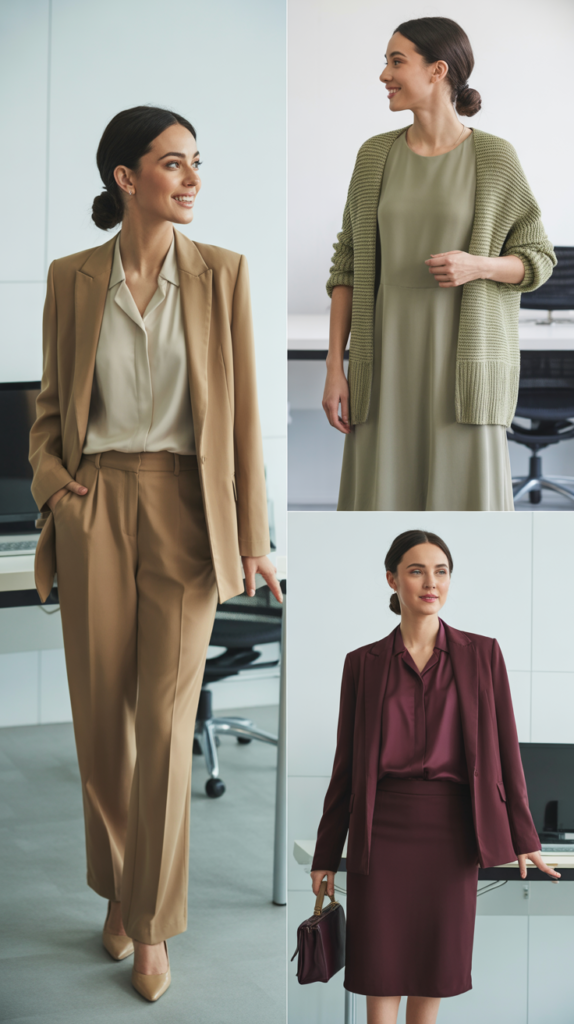
Dressing in a single color family creates elongating, sophisticated looks that appear effortless yet intentional.
Monochromatic dressing in 2026 extends beyond basic black or white into rich color palettes that reflect personal style while maintaining professional appropriateness.
This technique simplifies getting dressed while creating visual impact that colleagues and clients remember.
Monochrome Strategy:
- Texture Variation: Combine different fabrics and weaves within your chosen color family to create depth and visual interest.
- Shade Shifting: Include lighter and darker versions of your base color rather than exact matches for dimensional looks.
- Accessory Integration: Shoes, bags, and belts in complementary shades extend the monochromatic line.
- Unexpected Colors: Move beyond predictable navy or gray into forest green, rust, lilac, or chocolate brown for distinctive presence.
- Seasonal Adaptation: Choose deeper, richer tones for fall and winter, lighter iterations for spring and summer.
8. The Coordinated Set
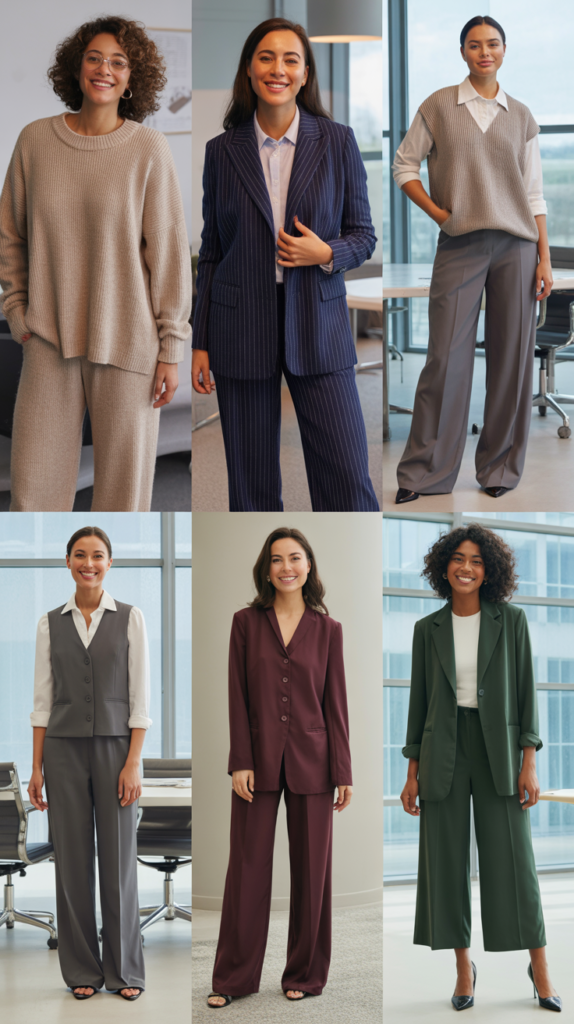
Matching sets have evolved from loungewear to legitimate office attire, offering the polish of a suit with increased versatility.
These coordinated pieces in 2026 come in diverse styles from knit coordinates to woven fabrics, providing effortless outfit solutions that can be mixed with other wardrobe pieces.
Sets eliminate the mental load of outfit coordination while ensuring a cohesive, professional appearance.
Set Styling:
- Investment Value: Quality sets offer multiple wearing options when pieces are styled separately with other wardrobe items.
- Pattern Play: Subtle patterns like pinstripes, herringbone, or tonal prints add interest without overwhelming.
- Layering Potential: Sets work beautifully as foundations for additional layers like turtlenecks, shirts, or cardigans.
- Fabric Consideration: Choose materials that resist wrinkling and maintain shape throughout the workday.
- Versatility Testing: Before purchasing, envision how each piece will work independently in your existing wardrobe.
9. Sustainable Fabric Choices
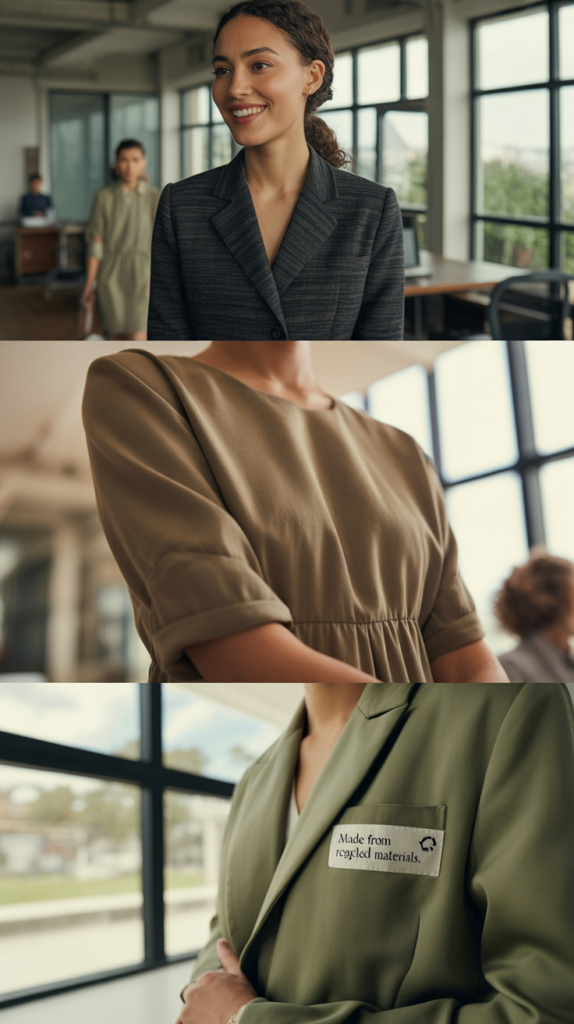
Sustainability has moved from niche concern to mainstream priority in 2026 workplace fashion.
Professionals increasingly seek clothing made from recycled materials, organic fibers, and innovative sustainable textiles that don’t compromise on appearance or performance.
These choices reflect personal values while meeting the practical demands of office life.
Sustainable Options:
| Fabric Type | Benefits | Best For |
|---|---|---|
| Recycled Polyester | Reduces waste, maintains professional appearance | Blazers, trousers, dresses |
| Organic Cotton | Chemical-free, breathable, soft | Shirts, blouses, lightweight pants |
| Tencel/Lyocell | Biodegradable, silky feel, drapes beautifully | Dresses, blouses, skirts |
| Recycled Wool | Warm, luxurious, reduces environmental impact | Suits, coats, winter wear |
| Hemp Blends | Durable, improves with washing, antimicrobial | Trousers, blazers, casual pieces |
Implementation Strategies:
- Gradual Transition: Replace pieces as needed with sustainable alternatives rather than discarding functional clothing.
- Quality Investment: Sustainable pieces often cost more initially but deliver superior longevity and cost-per-wear value.
- Brand Research: Support companies with transparent supply chains and genuine environmental commitments.
- Care Practices: Extend garment life through proper washing, storage, and minor repairs rather than replacement.
- Secondhand Integration: Incorporate vintage or pre-owned professional pieces for unique, sustainable style.
10. Layering for Temperature Control
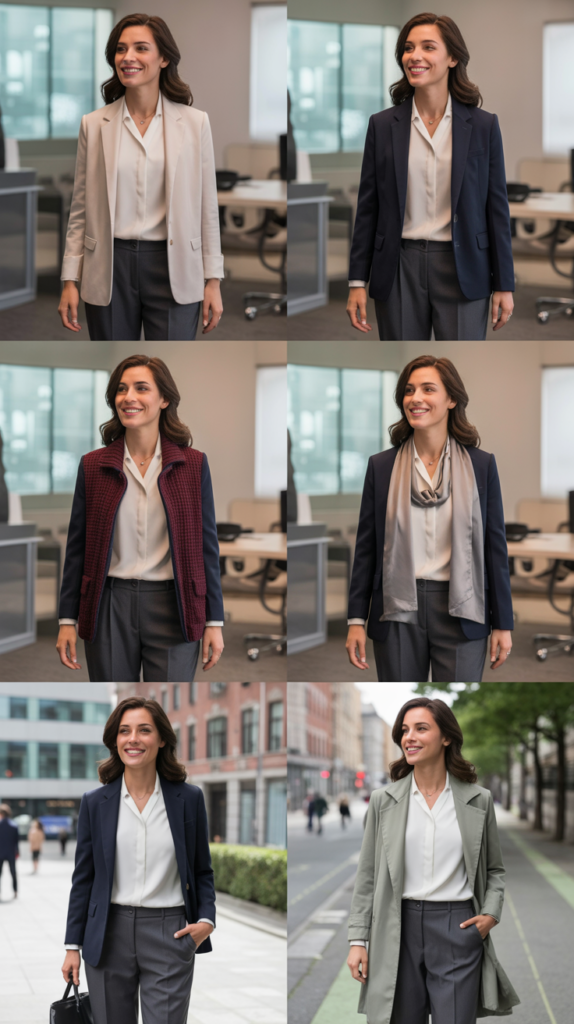
Modern offices with variable temperatures and hybrid work schedules demand strategic layering systems that adapt throughout the day.
Mastering the art of layering in 2026 means creating professional outfits with removable components that maintain polish whether you’re wearing all layers or just the base.
This approach ensures comfort without sacrificing appearance during transitions between environments.
Layering Essentials:
- Base Layer Quality: Start with well-fitted, professional base pieces that look intentional if outer layers are removed.
- Thin Mid-Layers: Fine-gauge knits, silk blouses, or fitted turtlenecks add warmth without bulk.
- Structured Outer Layers: Blazers, cardigans, or vests should maintain their shape whether worn open or closed.
- Accessory Layers: Scarves, pashminas, or light wraps offer flexibility without commitment to full additional garments.
- Color Coordination: Ensure all layers work harmoniously together for cohesive appearance at any stage of removal.
11. Statement Accessories
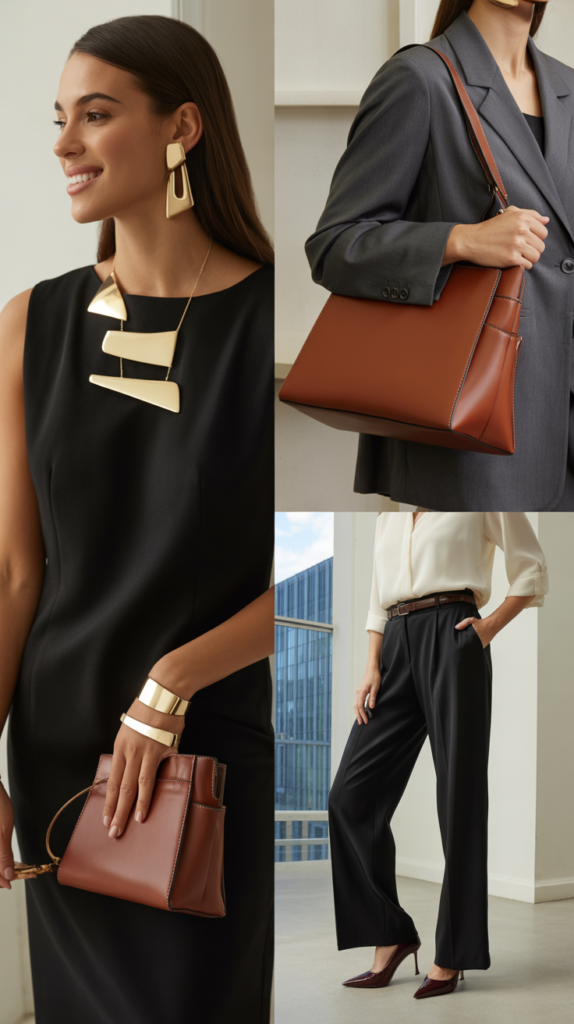
The right accessories transform basic outfits into memorable ensembles while allowing core wardrobe pieces to work harder.
In 2026, statement accessories range from architectural jewelry to distinctive bags and shoes that inject personality into professional attire.
Strategic accessorizing demonstrates attention to detail and personal style sophistication.
Accessory Categories:
- Bold Jewelry: Oversized earrings, chunky necklaces, or statement rings become conversation pieces with simple outfits.
- Investment Bags: A distinctive handbag in quality leather or sustainable material elevates every outfit it accompanies.
- Shoe Statements: Colored heels, interesting textures, or unique design details add personality from the ground up.
- Belt Emphasis: Cinch blazers, define waists on dresses, or add visual interest to monochromatic outfits.
- Eyewear as Fashion: Glasses frames become intentional style choices rather than purely functional necessities.
12. The Polished Casual Friday
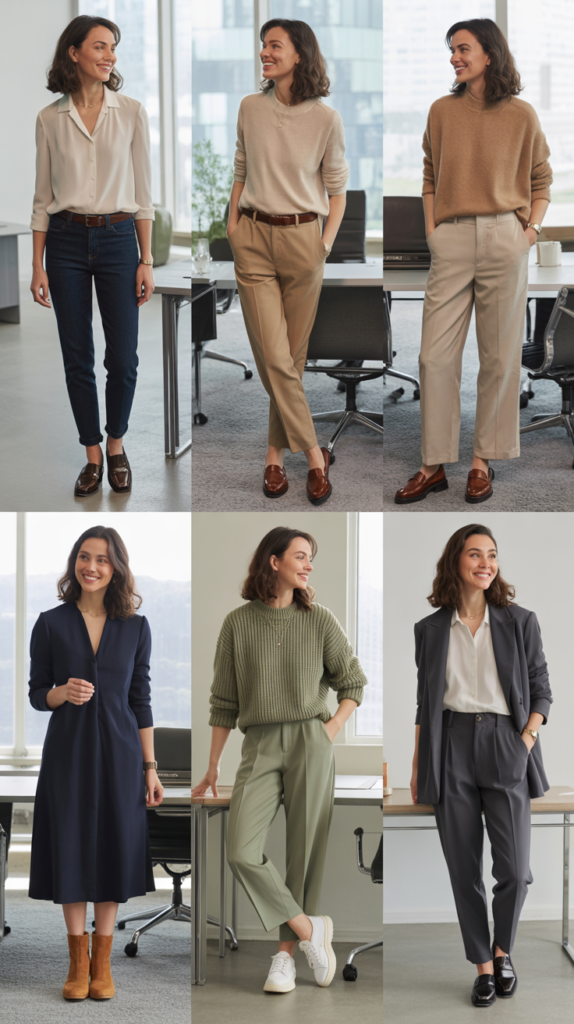
Casual Fridays have evolved beyond jeans and t-shirts into opportunities for elevated comfort that maintains professional standards.
The 2026 approach to end-of-week dressing balances relaxation with respect for the workplace environment.
These outfits acknowledge the week’s approaching end while keeping you ready for unexpected interactions or last-minute meetings.
Casual Friday Framework:
- Elevated Basics: Choose refined versions of casual pieces—dark denim instead of distressed, cashmere instead of cotton.
- Smart Sneakers: Clean, leather sneakers work with tailored pieces for comfortable yet intentional looks.
- Structured Casual: Even relaxed pieces should have intentional cuts and quality construction.
- Polish Through Grooming: Maintain professional hair, makeup, and overall presentation regardless of outfit casualness.
- Context Awareness: Adjust casual interpretation based on client meetings, presentations, or other scheduled Friday obligations.
13. Tech-Integrated Workwear
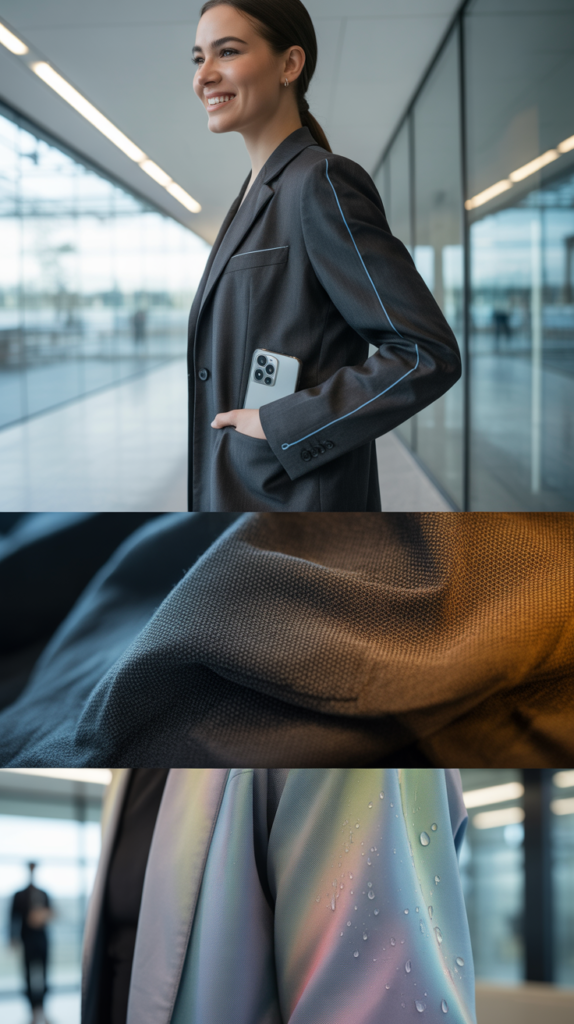
Technology integration into clothing has become practical reality in 2026, with workwear featuring functional innovations that support modern professional lives.
From temperature-regulating fabrics to garments with integrated device charging, tech workwear solves real problems while maintaining professional aesthetics.
These innovations represent the intersection of fashion and function.
Tech Features:
- Moisture-Wicking Fabrics: Keep you comfortable during high-stress presentations or temperature fluctuations.
- Wrinkle-Resistant Treatments: Maintain polished appearance from morning commute through evening events.
- Stain-Repellent Finishes: Protect against coffee spills and lunch mishaps without obvious coating.
- Antimicrobial Properties: Natural or treated fabrics resist odor-causing bacteria for extended wear between washings.
- Smart Pockets: Secure, accessible storage for devices, cards, and keys without disrupting garment lines.
14. The Working Lunch Outfit
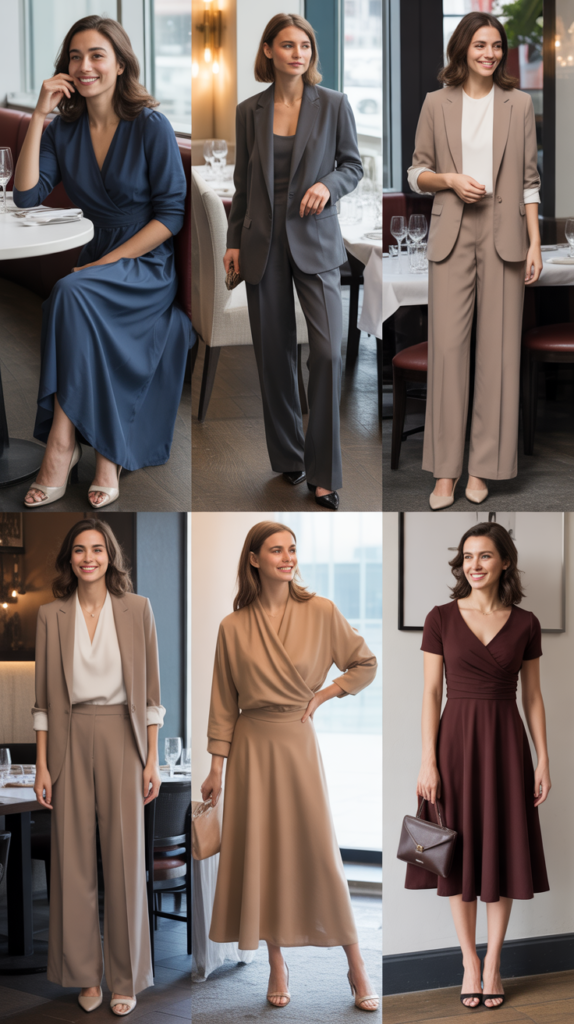
Outfits that transition seamlessly from desk work to business lunches require strategic planning around fabric choice, fit, and styling.
These ensembles maintain professionalism while accommodating the practical realities of eating without anxiety about stains or restriction.
The 2026 working lunch outfit balances polished appearance with functional comfort.
Lunch-Appropriate Features:
- Forgiving Waistlines: Elastic waists, wrap styles, or shift dresses allow comfortable eating without restriction.
- Dark Colors Strategic Placement: Choose darker tones for areas most susceptible to accidental spills.
- Fabric Selection: Avoid pure silk or delicate materials; opt for blends or treated fabrics with stain resistance.
- Comfortable Fits: Skip body-con styles that become uncomfortable when sitting for extended periods.
- Layering Options: Blazers or cardigans can cover any mishaps while maintaining professional presentation.
15. Color Psychology in the Workplace
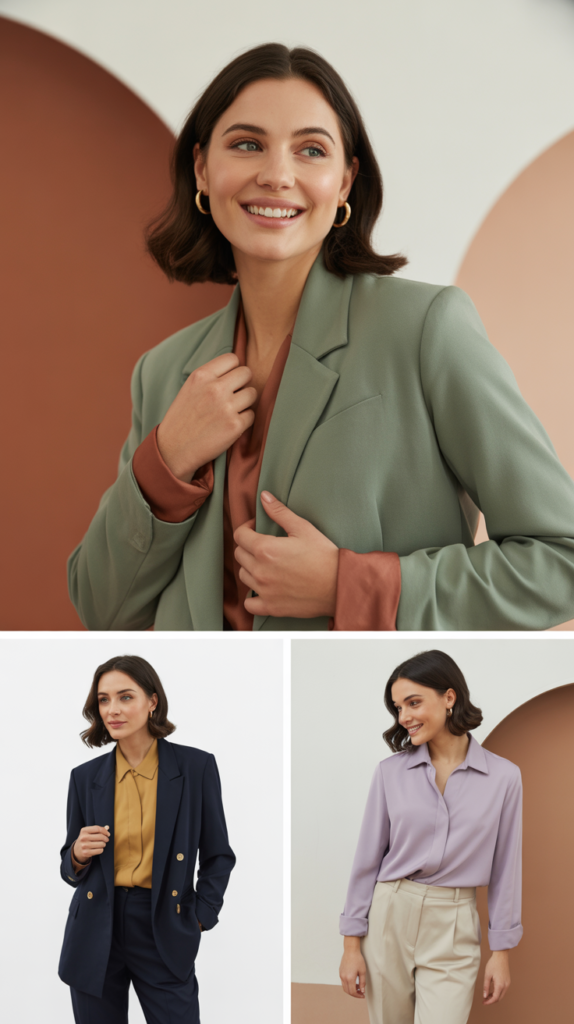
Strategic color choices in professional attire influence perception, mood, and even career trajectory.
Understanding color psychology in 2026 means leveraging hues that align with your goals for specific situations—authority for presentations, approachability for team meetings, creativity for brainstorming sessions.
Intentional color selection becomes a subtle but powerful professional tool.
Color Meanings:
| Color | Psychological Impact | Best Situations |
|---|---|---|
| Navy Blue | Trust, stability, competence | Client meetings, presentations, interviews |
| Burgundy/Wine | Power, sophistication, confidence | Leadership meetings, negotiations |
| Emerald Green | Growth, balance, prosperity | Creative projects, team building |
| Charcoal Gray | Neutrality, professionalism, intelligence | Any professional setting, conservative offices |
| Camel/Tan | Approachability, reliability, warmth | Networking, mentoring, collaborative work |
| White/Cream | Clarity, simplicity, openness | Clean slate meetings, fresh starts |
Color Strategy:
- Personal Coloring: Choose shades that complement your skin tone, hair, and eye color for natural radiance.
- Cultural Considerations: Be aware that color meanings vary across cultures in global business contexts.
- Seasonal Rotation: Adjust color intensity and temperature with seasons for contemporary, fresh appearance.
- Accent Usage: If working in conservative environments, introduce trendy colors through accessories rather than main garments.
- Consistency Building: Developing a signature color or color family can strengthen personal brand recognition.
16. The Versatile Vest
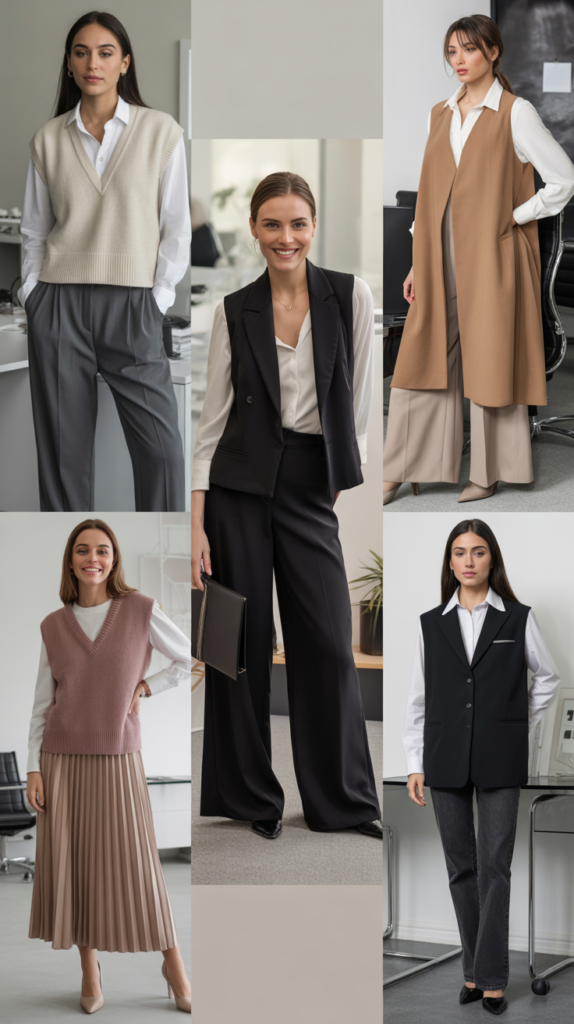
Vests have emerged as unexpected workwear heroes in 2026, offering styling versatility that extends outfit possibilities while adding sophisticated polish.
From sweater vests layered over shirts to structured tailored vests worn as tops, this piece bridges casual and formal while creating distinctive looks.
Vests solve the perpetual problem of creating fresh outfits from existing wardrobe pieces.
Vest Variations:
- Sweater Vests: Add preppy sophistication when layered over button-downs or worn alone with high-waisted trousers.
- Tailored Vests: Create suit alternatives when paired with matching trousers or mixed with different bottoms.
- Longline Vests: Serve as jacket alternatives during transitional weather while creating elongating vertical lines.
- Cropped Vests: Define waists and add structure when layered over loose shirts or dresses.
- Statement Vests: In bold colors or patterns, transform basic shirts and pants into memorable outfits.
17. Footwear for All-Day Comfort
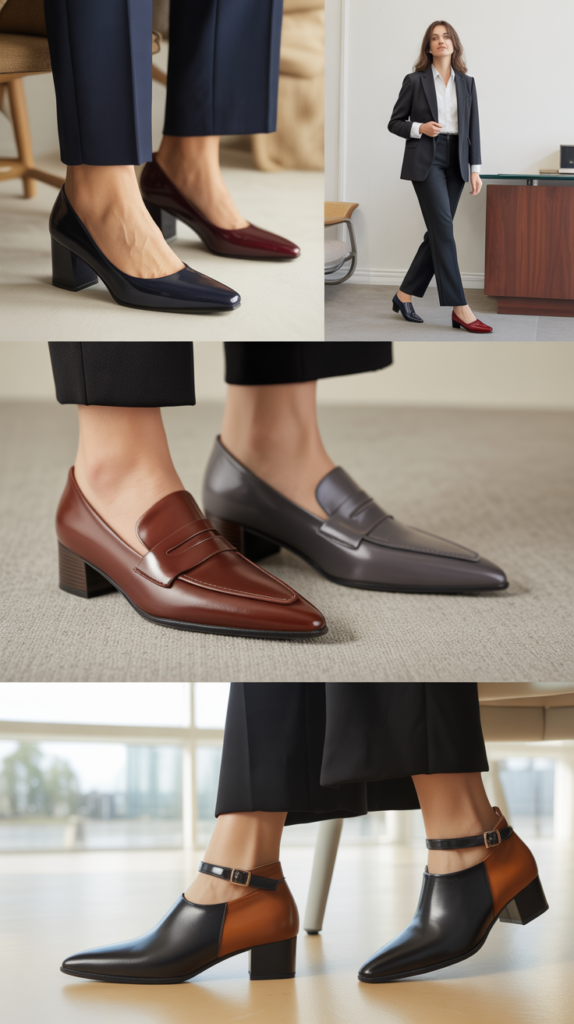
The 2026 professional woman demands footwear that delivers style without sacrificing comfort during long workdays.
Advances in shoe construction technology and changing workplace norms have expanded options beyond painful heels to include elegant flats, supportive loafers, and comfortable block heels.
Strategic footwear choices prevent end-of-day fatigue while maintaining polished appearance.
Comfort-Style Options:
- Block Heels: Provide height and elegance while distributing weight more effectively than stilettos.
- Pointed-Toe Flats: Offer the visual elongation of heels without elevation, perfect for commuting or all-day meetings.
- Quality Loafers: Timeless, gender-neutral, and comfortable for extensive walking between meetings.
- Ankle Boots: Versatile across seasons, especially with pants, offering support and style simultaneously.
- Platform Sneakers: In leather or refined materials, bridge casual and professional in creative workplaces.
Selection Criteria:
- Arch Support: Prioritize shoes with anatomical footbeds or space for orthotic inserts.
- Quality Materials: Leather uppers allow breathability; avoid synthetic materials that cause discomfort.
- Fit Precision: Ensure proper sizing in length and width; professional footwear should never require “breaking in.”
- Sole Flexibility: Shoes should bend at the ball of the foot for natural walking motion.
- Occasion Matching: Maintain multiple pairs for different professional situations rather than forcing one pair to serve all needs.
18. The Power of Pattern Mixing
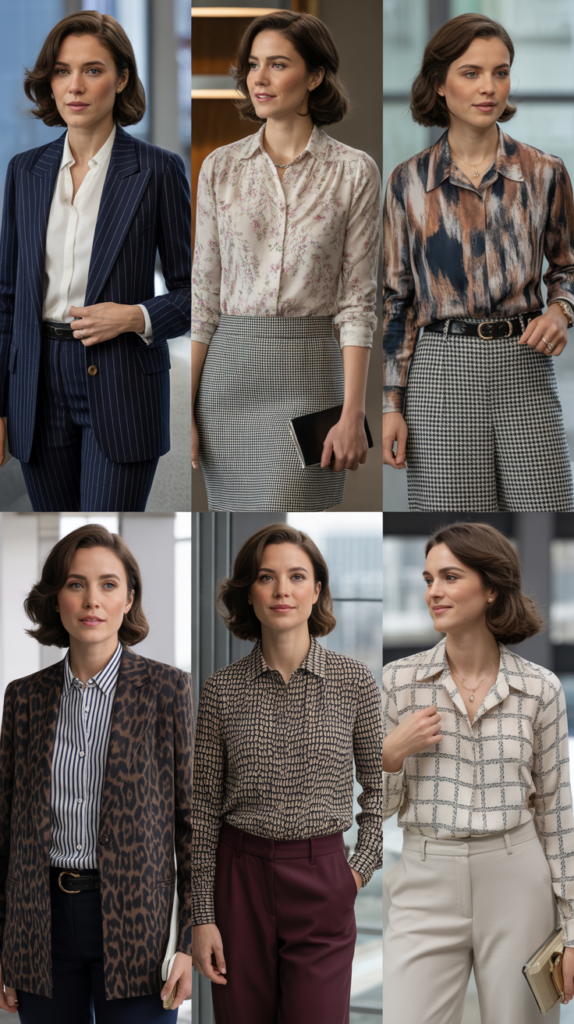
Pattern mixing has transitioned from fashion risk to recognized style skill in 2026, allowing professionals to create unique, memorable outfits from versatile pieces.
The key lies in understanding scale, color coordination, and pattern types that complement rather than compete.
Successful pattern mixing demonstrates confidence and creativity while maintaining professional appropriateness.
Pattern Mixing Principles:
- Scale Variation: Combine large-scale patterns with small-scale patterns to create visual hierarchy and balance.
- Color Cohesion: Ensure patterns share at least one common color to unify the look.
- Pattern Type Diversity: Mix different pattern categories—florals with stripes, checks with abstracts—rather than similar patterns.
- Neutral Buffers: Use solid neutral pieces to separate competing patterns and provide visual rest.
- Start Conservative: Begin with subtle patterns like pinstripes or small dots before advancing to bolder combinations.
19. The Transitional Trench Coat
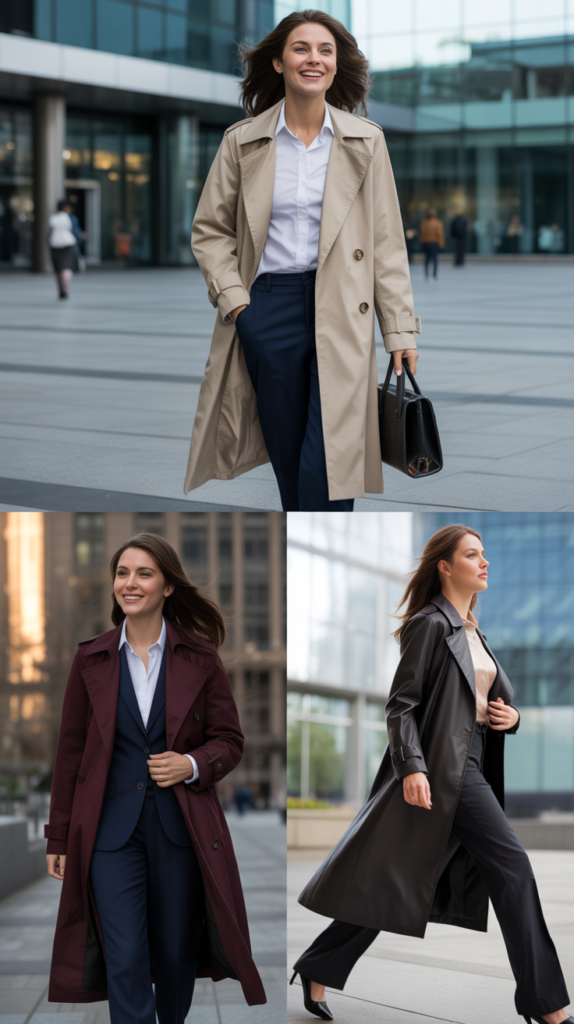
The modern trench coat serves as the ultimate transitional piece for 2026 professionals, bridging seasons while adding polish to any outfit underneath.
Contemporary versions honor the classic silhouette while incorporating modern updates in fabric, color, and details.
A quality trench coat represents one of the smartest wardrobe investments for professional women.
Trench Essentials:
- Length Consideration: Choose length based on height—petite women should avoid overwhelming maxi lengths, while taller women can embrace longer styles.
- Color Expansion: Classic khaki remains timeless, but navy, black, olive, and burgundy offer sophisticated alternatives.
- Fabric Innovation: Waterproof technical fabrics, sustainable materials, and innovative weaves update traditional cotton gabardine.
- Belt Styling: Master multiple belt-tying techniques to create different silhouettes from the same coat.
- Seasonal Adaptability: Look for removable linings or varying weights to extend wearability across temperature ranges.
20. Workwear for Hybrid Schedules
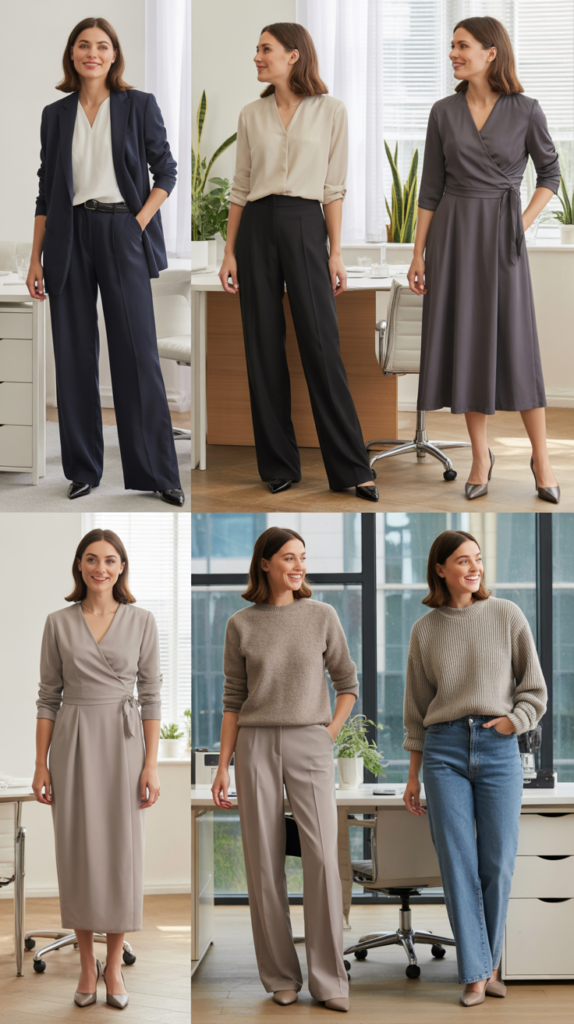
Hybrid work models require wardrobes that bridge home comfort and office professionalism, creating outfits appropriate for video calls, in-person meetings, and everything between.
The 2026 hybrid wardrobe emphasizes pieces that look polished on camera, feel comfortable during work-from-home hours, and transition seamlessly to office environments.
Strategic hybrid dressing eliminates the need for complete outfit changes between locations.
Hybrid Wardrobe Strategy:
- Camera-Ready Tops: Invest in structured, flattering tops that look professional on video regardless of what you’re wearing below.
- Comfortable Bottoms: Choose trousers, skirts, or even refined joggers that feel good during work-from-home days but look appropriate if heading to the office.
- Easy Transitions: Select outfits that work as complete looks without needing significant changes between home and office.
- Wrinkle Resistance: Prioritize fabrics that travel well and don’t require constant touch-ups between locations.
- Versatile Footwear: Keep comfortable house shoes for home and slip into professional footwear only when heading out or taking standing video calls.
21. The Executive Presence Outfit
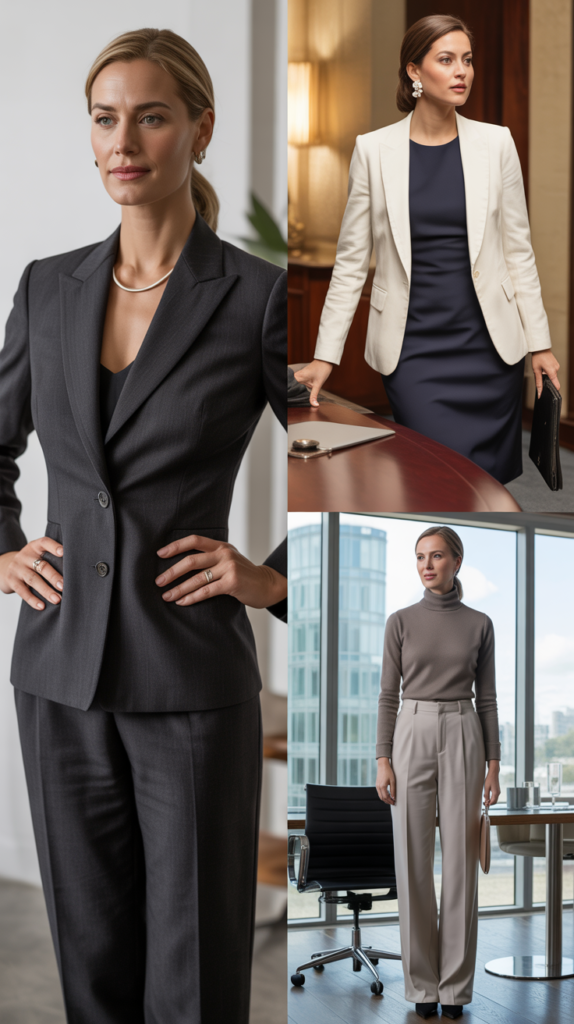
Certain professional situations demand outfits that immediately communicate authority, competence, and leadership.
Executive presence dressing in 2026 combines traditional power signals with contemporary styling for looks that command respect while reflecting personal authenticity.
These outfits work for board meetings, high-stakes presentations, important negotiations, or any situation requiring maximum professional impact.
Authority Elements:
- Impeccable Tailoring: Perfect fit without pulling, bunching, or gaping signals attention to detail and investment in appearance.
- Quality Signals: Luxury fabrics, fine construction details, and subtle designer elements communicate success without ostentation.
- Neutral Sophistication: Navy, charcoal, black, or camel in solid colors or subtle patterns convey seriousness and focus.
- Minimal Accessories: Let clothing quality speak; avoid distracting jewelry or accessories that detract from your message.
- Grooming Excellence: Polished hair, subtle makeup, and overall presentation complete the executive presence package.
22. Sustainable Shopping Strategies
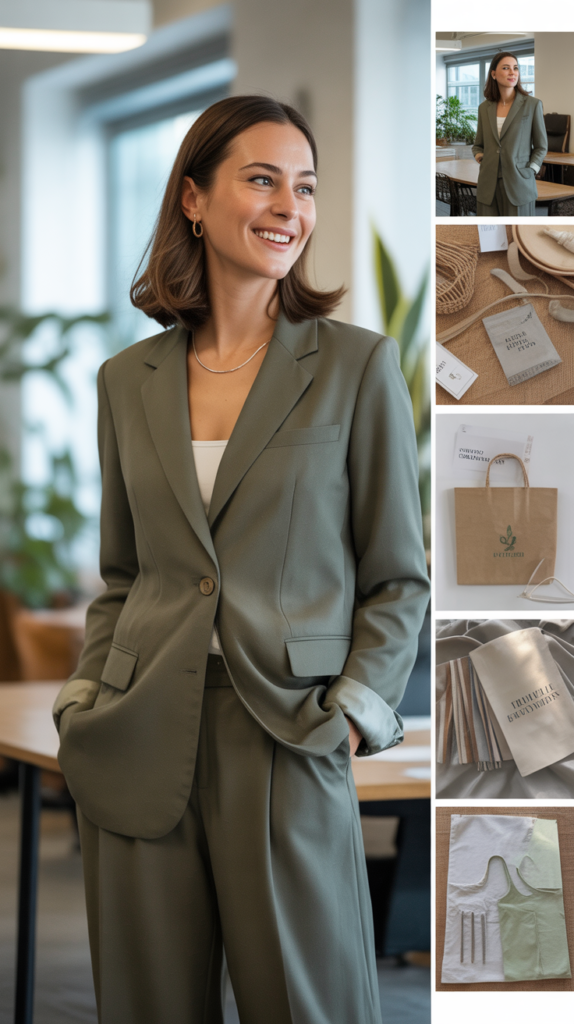
Building a professional wardrobe sustainably in 2026 requires shifting from trend-chasing to intentional acquisition focused on longevity, versatility, and environmental impact.
Sustainable shopping doesn’t mean sacrificing style or spending more; it means shopping smarter with consideration for how each piece serves your professional life and values.
These strategies help create a wardrobe that’s both stylish and environmentally conscious.
Sustainable Practices:
- Cost-Per-Wear Calculation: Evaluate purchases based on how many times you’ll wear them rather than initial price alone.
- Capsule Wardrobe Approach: Build around core neutral pieces that work together, minimizing total items needed.
- Secondhand Integration: Explore consignment shops, online resale platforms, and vintage stores for unique, sustainable professional pieces.
- Quality Assessment: Learn to identify construction quality, fabric content, and design longevity before purchasing.
- Repair and Alterations: Invest in tailoring existing pieces rather than replacing them when fit issues arise.
- Seasonal Rental: Consider rental services for occasional formal workwear needs rather than purchasing rarely-worn pieces.
- Brand Research: Support companies with transparent supply chains, fair labor practices, and genuine sustainability commitments beyond marketing.
23. Industry-Specific Adaptations

Different industries maintain varying dress code expectations, requiring professionals to adapt general workwear trends to their specific fields.
Understanding your industry’s unwritten dress codes in 2026 means balancing personal style with cultural fit.
These adaptations ensure you look current and polished while respecting the conventions that signal membership in your professional community.
Industry Guidelines:
| Industry | Style Expectations | Adaptation Tips |
|---|---|---|
| Finance/Law | Conservative, traditional, authority-focused | Stick with classic suits, neutral colors, minimal accessories |
| Creative/Media | Fashion-forward, individual expression valued | Incorporate trends, bold colors, distinctive pieces |
| Tech | Casual to smart casual, comfort prioritized | Elevated basics, designer denim, contemporary silhouettes |
| Healthcare Admin | Professional but practical, clean appearance | Washable fabrics, comfortable shoes, modest styling |
| Education | Approachable yet authoritative |
| Mix professional pieces with accessible, relatable styling | | Retail/Hospitality | Polished, brand-aligned, customer-facing | Follow brand guidelines while adding personal touches |
Navigation Strategies:
- Observation First: Assess how successful people in your field dress before making wardrobe commitments.
- Gradual Evolution: Introduce contemporary elements slowly in conservative fields to gauge acceptance.
- Client Considerations: Dress for your audience; client-facing roles may require more conservative choices regardless of internal culture.
- Regional Variations: Account for geographic differences in dress code interpretation even within the same industry.
24. The Polished Loungewear Look
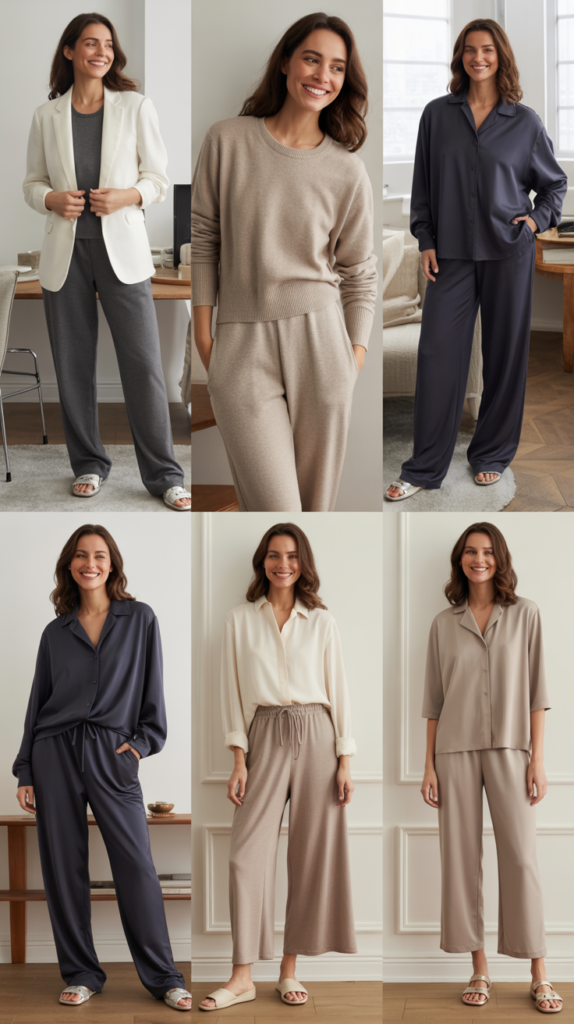
The line between loungewear and workwear has blurred significantly in 2026, with elevated comfortable pieces earning legitimacy in professional contexts.
Polished loungewear brings the comfort of athleisure together with the structure and refinement expected in business settings.
These outfits work particularly well for creative industries, casual Fridays, or hybrid work environments.
Elevated Comfort:
- Fabric Upgrades: Choose cashmere blends, fine merino, or luxury cotton instead of standard fleece or jersey.
- Structure Addition: Pair comfortable bottoms with structured tops or vice versa to maintain professional balance.
- Tailored Cuts: Select loungewear with intentional cuts rather than shapeless silhouettes.
- Monochromatic Styling: Single-color outfits in refined fabrics elevate casual pieces significantly.
- Accessory Polish: Add professional accessories like structured bags, watches, or simple jewelry to complete the look.
25. Building a Capsule Work Wardrobe
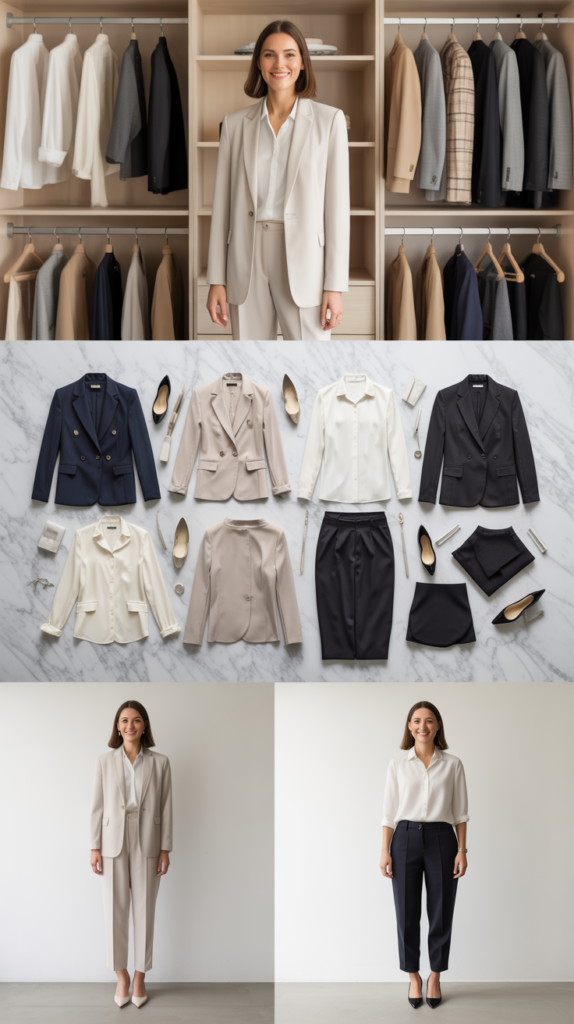
A capsule wardrobe approach to professional dressing maximizes outfit possibilities while minimizing closet contents.
The 2026 capsule work wardrobe focuses on 25-40 carefully selected pieces that coordinate seamlessly, creating hundreds of outfit combinations.
This approach reduces decision fatigue, simplifies shopping, and ensures you always have appropriate, polished options ready.
Capsule Components:
Foundational Pieces (15-20 items):
- Three neutral blazers in different weights and styles
- Five tops in varied styles (blouses, knits, shells)
- Four bottoms (trousers, skirts in complementary styles)
- Two dresses suitable for multiple seasons
- One quality coat appropriate for your climate
Accent Pieces (5-10 items):
- Statement pieces in trend colors or patterns
- Seasonal items that refresh the core wardrobe
- Special occasion pieces for presentations or events
Essential Accessories:
- Two to three shoe options (heels, flats, boots)
- One to two bags suitable for professional use
- Minimal jewelry that works with everything
Capsule Strategy:
- Color Coordination: Build around a cohesive color palette of 3-4 neutrals plus 2-3 accent colors.
- Quality Over Quantity: Invest in the best quality you can afford for foundational pieces.
- Seasonal Rotation: Store off-season items and rotate capsule contents quarterly.
- Gap Identification: Track what you actually wear to identify true wardrobe needs versus wants.
- Replacement Planning: When something wears out, replace it with similar functionality rather than trend-chasing.
26. Maternity and Postpartum Professional Dressing
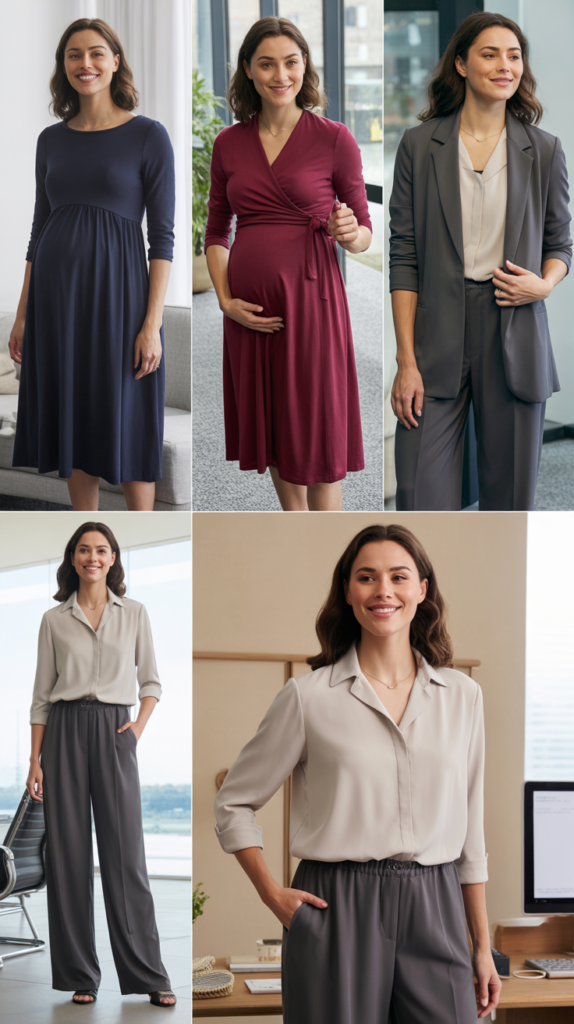
Professional women navigating pregnancy and postpartum periods deserve stylish, comfortable workwear that accommodates changing bodies without compromising on polish.
The 2026 approach to maternity workwear emphasizes versatile pieces that work throughout pregnancy and beyond, strategic styling that doesn’t scream “maternity,” and investment in quality rather than fast fashion.
These strategies ensure continuous professional presence during major life transitions.
Adaptive Wardrobe:
- Empire Waist Dresses: Grow with you throughout pregnancy while maintaining professional silhouette.
- Wrap Styles: Adjust to changing measurements and work beautifully postpartum.
- Elastic Waist Trousers: In quality fabrics with structured cuts, offer comfort without appearing casual.
- Oversized Blazers: Provide professional polish while accommodating size fluctuations.
- Stretchy Fabrics: Jersey, ponte, and other knits with recovery maintain shape while offering flexibility.
Investment Strategy:
- Versatile Basics: Buy fewer, better-quality pieces that work before, during, and after pregnancy.
- Rental Options: Consider renting formal maternity workwear for one-time events rather than purchasing.
- Secondhand Shopping: Maternity clothes wear briefly; quality secondhand pieces offer value.
- Nursing Accessibility: If planning to breastfeed, consider ease of access when making purchases.
- Size Realism: Buy for your current size rather than anticipated size; tailoring post-pregnancy is easier than wearing ill-fitting clothes during.
27. Workwear for Different Body Types
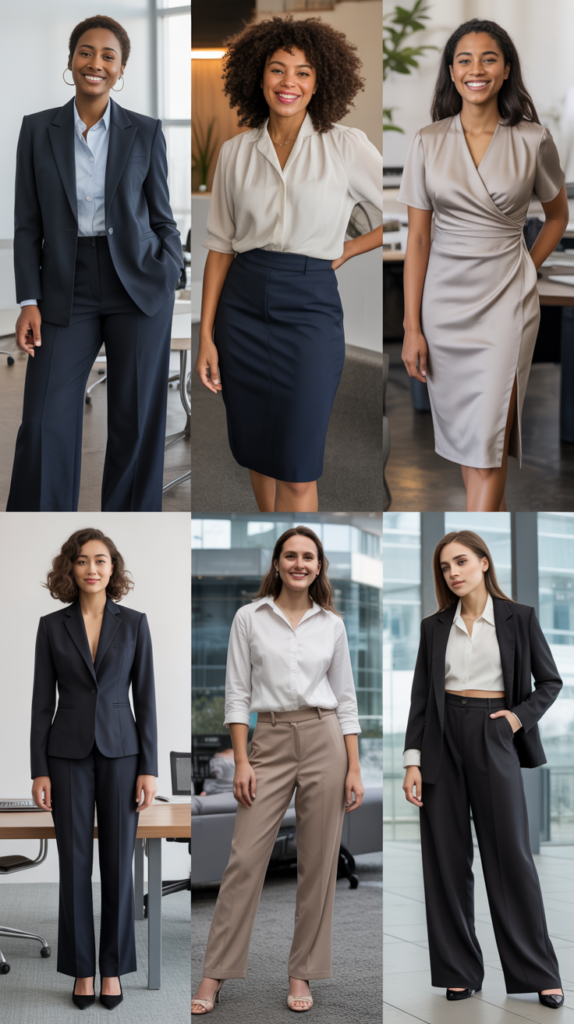
Professional dressing in 2026 celebrates body diversity, offering styling strategies that flatter various shapes while maintaining workplace appropriateness.
Understanding your body type helps identify silhouettes, proportions, and styles that make you feel confident and comfortable.
These guidelines provide starting points for personalization rather than rigid rules.
Body-Specific Strategies:
Pear Shape (Wider Hips/Thighs):
- Emphasize shoulders with structured blazers, boat necks, or statement sleeves
- Balance proportions with fitted tops and slightly looser bottoms
- A-line skirts and dresses skim rather than cling to lower body
- Dark bottom colors with lighter tops create visual balance
Apple Shape (Fuller Midsection):
- Empire waists and wrap styles define without constriction
- V-necklines draw eyes upward and elongate torso
- Structured fabrics in jackets and dresses create shape
- Avoid belting at natural waist; use higher or lower placement
Hourglass (Defined Waist):
- Fitted styles that follow body curves without excessive tightness
- Belted options that highlight narrowest point
- Avoid boxy cuts that hide natural proportions
- Wrap dresses and tailored fits showcase figure beautifully
Rectangle (Straight Up and Down):
- Create curves through peplum details, belts, or layering
- Color blocking adds dimension and shape
- Avoid shapeless styles; opt for pieces with built-in structure
- Textured fabrics and patterns add visual interest
Petite (Under 5’4″):
- Monochromatic dressing creates unbroken vertical lines
- Proper proportions crucial; consider petite-specific sizing
- Avoid overwhelming patterns or oversized styles
- Cropped jackets and high-waisted bottoms lengthen legs
28. Seasonal Transition Dressing
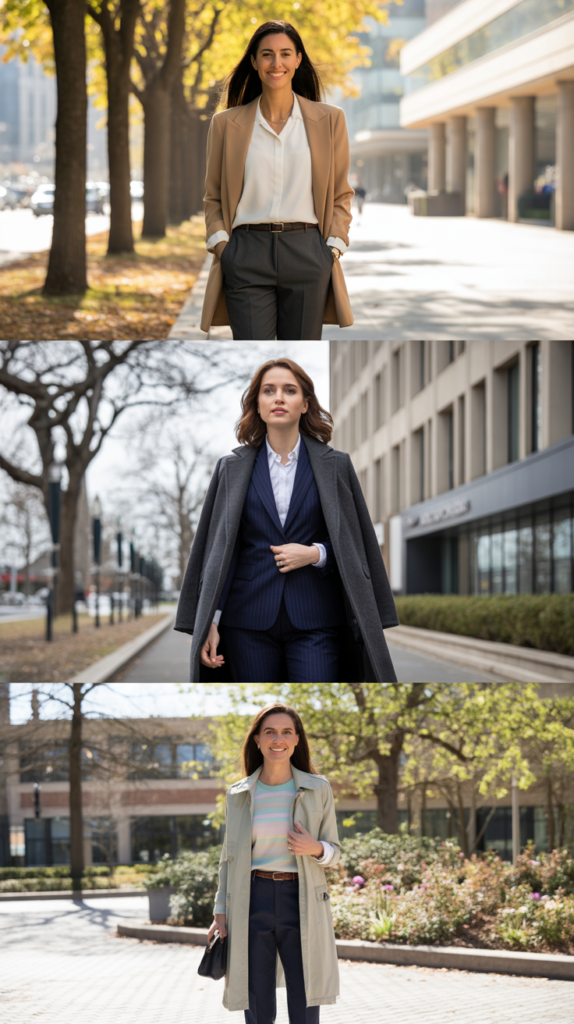
Navigating weather changes while maintaining professional appearance requires strategic layering and transitional pieces that work across temperature ranges.
The 2026 approach to seasonal transitions emphasizes versatile items that adapt rather than complete wardrobe overhauls each season.
These strategies keep you comfortable and polished regardless of unpredictable weather.
Transitional Essentials:
- Lightweight Trench Coats: Work over everything from dresses to suits across three seasons.
- Cardigans and Blazers: Layer over sleeveless or short-sleeve pieces for variable temperatures.
- Transitional Fabrics: Medium-weight wools, ponte knits, and season-spanning blends.
- Layering Pieces: Thin turtlenecks, silk tanks, and camisoles extend wardrobe versatility.
- Adaptable Footwear: Ankle boots bridge seasons better than summer sandals or winter boots.
Seasonal Strategy:
- Color Transitioning: Shift from bright summer colors to deeper fall tones gradually through accessories first.
- Fabric Weight Progression: Move from light linens to medium wools to heavy knits as temperatures drop.
- Layering Systems: Develop formulas like “dress + cardigan + trench” that work across multiple weeks.
- Accessories Updating: Scarves, tights, and different shoe options transform same base outfits seasonally.
29. Professional Event Dressing
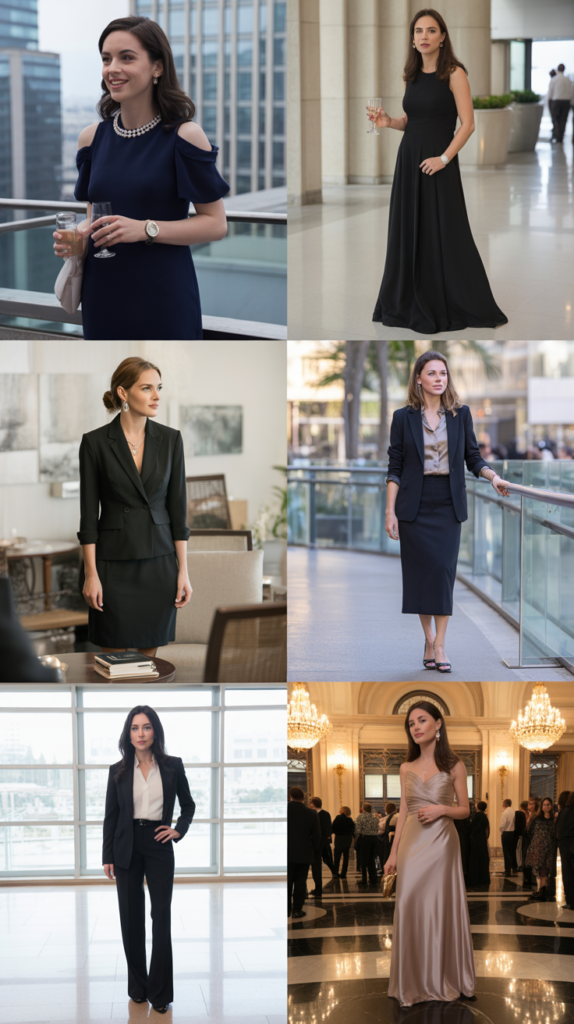
Workplace events beyond daily office wear—conferences, award ceremonies, networking galas, client dinners—require elevated professional attire that balances formality with personal style.
The 2026 approach to event dressing emphasizes versatile pieces that can be dressed up or down, appropriate interpretation of dress codes, and strategic shopping to avoid single-use outfits.
These strategies ensure you’re prepared for professional opportunities beyond the typical workday.
Event Categories:
| Event Type | Dress Code | Outfit Guidelines |
|---|---|---|
| Industry Conference | Business Professional | Polished suit or dress, comfortable shoes, professional accessories |
| Networking Reception | Business Casual to Cocktail | Dress or separates elevated with accessories, modest cocktail dress |
| Awards Ceremony | Cocktail to Black Tie | Formal dress or elegant jumpsuit, statement jewelry, dressy heels |
| Client Dinner | Business Formal | Sophisticated suit or dress, luxury accessories, refined styling |
| Holiday Party | Festive Cocktail | Work-appropriate dress in rich colors or subtle sparkle |
Event Wardrobe Strategy:
- Versatile Investment Pieces: Black cocktail dress, elegant jumpsuit, or formal suit works across multiple event types.
- Accessory Transformation: Change jewelry, shoes, and bag to shift same dress from conference to gala.
- Dress Code Research: When uncertain, contact event organizers or colleagues who’ve attended previously.
- Comfort Consideration: Events often involve standing, mingling, or travel; prioritize wearable elegance.
- Cultural Sensitivity: Research any cultural expectations for international business events.
30. Personal Branding Through Wardrobe
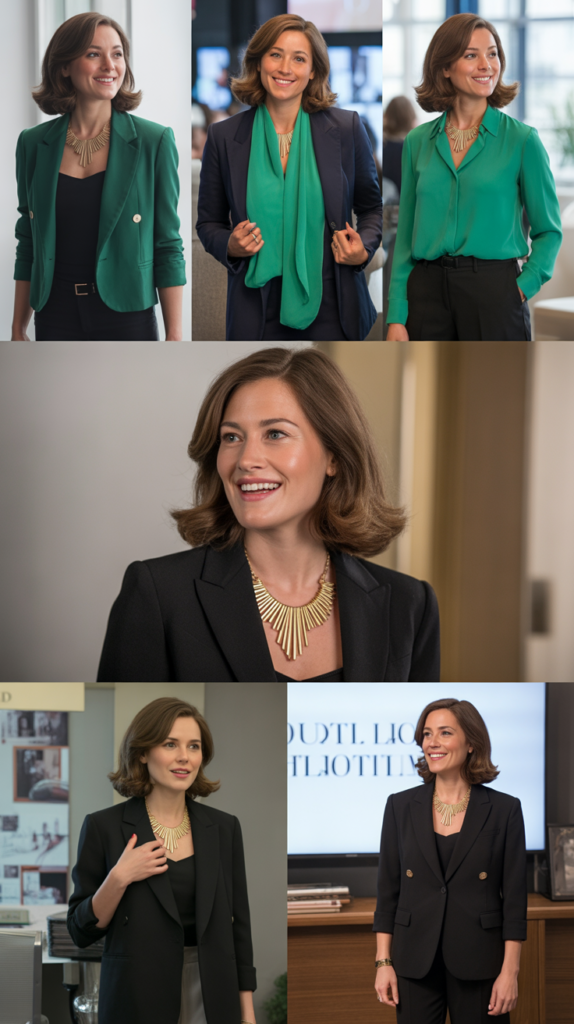
Your professional wardrobe communicates personal brand before you speak, making intentional clothing choices a powerful career tool.
In 2026, personal branding through dress means developing a consistent visual identity that aligns with professional goals while expressing authentic personality.
This strategic approach to workwear helps you become memorable, reinforces expertise, and supports career advancement.
Branding Elements:
Signature Components:
- Color Association: Consistently wearing certain colors helps people remember and recognize you
- Distinctive Accessories: Unique jewelry, eyewear, or shoe choices become personal trademarks
- Style Consistency: Maintaining coherent aesthetic across outfits strengthens professional identity
- Quality Signals: Clothing quality level communicates professional positioning and attention to detail
Strategic Implementation:
- Define Your Brand: Identify three words describing how you want to be perceived professionally (innovative, trustworthy, creative, etc.).
- Visual Translation: Choose clothing elements that communicate those brand attributes through color, style, and presentation.
- Consistency Application: Repeat signature elements regularly so colleagues and clients associate them with you.
- Evolution Planning: Update your visual brand as career advances or professional focus shifts.
- Authenticity Maintenance: Ensure personal brand expression aligns with genuine personality rather than adopting incompatible personas.
Career Stage Adaptation:
- Early Career: Establish professionalism and competence through polished, appropriate dress.
- Mid Career: Develop distinctive style that sets you apart while maintaining professional credibility.
- Leadership Level: Refine personal brand to communicate authority, vision, and executive presence.
Conclusion
The landscape of professional dressing has transformed dramatically, offering women unprecedented freedom to express personality while maintaining workplace appropriateness.
These 30 Trend-Forward Office Outfits for Women in 2026 demonstrate that professional style no longer demands choosing between comfort and polish, sustainability and sophistication, or personal expression and career advancement.
From reinvented power suits to tech-integrated fabrics, from sustainable shopping strategies to body-positive styling, the modern professional wardrobe serves multiple purposes simultaneously—supporting daily comfort, communicating competence, reflecting values, and building personal brand.
The key to successful professional dressing lies not in following rigid rules but in understanding principles that can be adapted to individual circumstances, body types, industries, and personal preferences.
By investing strategically in versatile pieces, mastering styling techniques, and approaching wardrobe building with intentionality, you create a professional presence that opens doors, inspires confidence, and allows authentic self-expression.
The future of workwear belongs to women who refuse to compromise, who demand clothing that works as hard as they do, and who understand that looking professional means looking like the best version of themselves.
As you implement these outfit ideas and strategies, remember that the most important element of any professional wardrobe is the confidence with which you wear it—because when you feel powerful in what you’re wearing, that power becomes visible to everyone around you.