
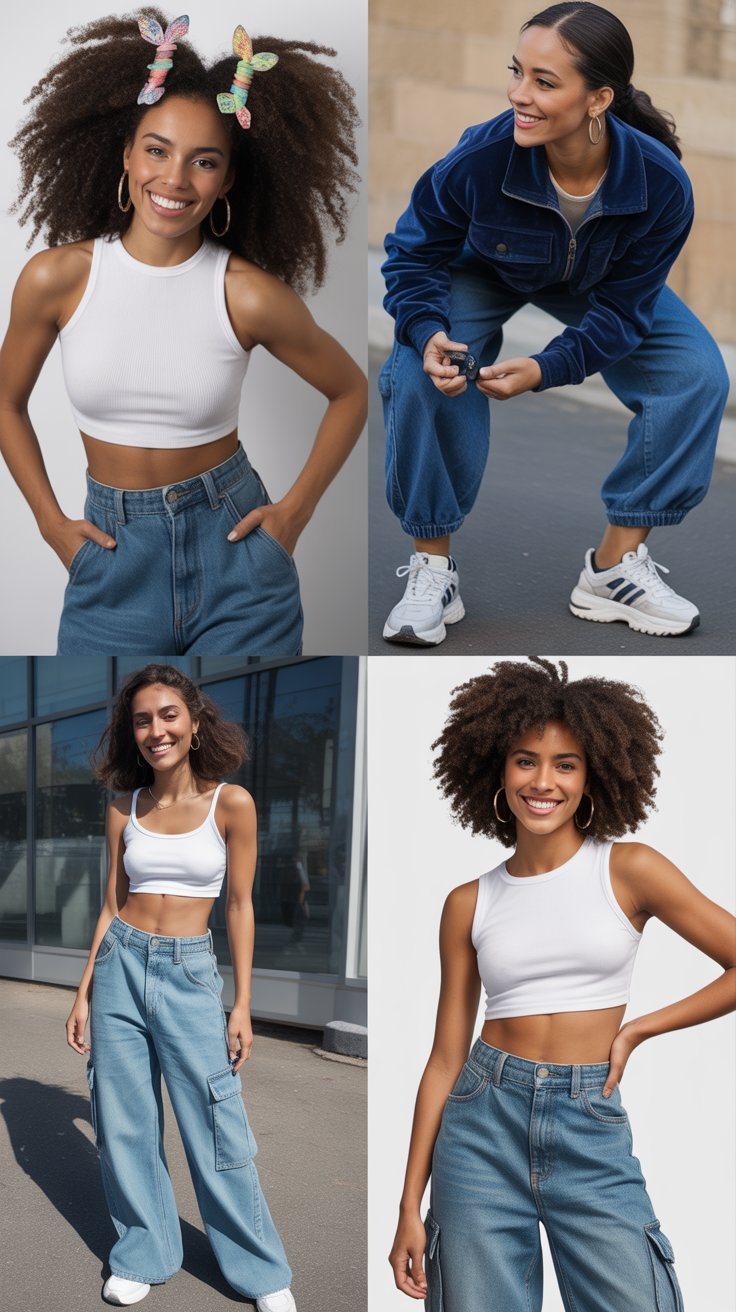
The early 2000s marked a revolutionary era in street fashion where individuality met bold experimentation, creating iconic looks that continue to influence modern style.
28 Early 2000s Street Fashion Looks for Women explores the distinctive aesthetic that defined youth culture during the millennium’s opening decade, from low-rise denim to velour tracksuits and everything in between.
This era celebrated maximalism, mixing high and low fashion in ways that felt fresh, rebellious, and unapologetically fun.
Whether you’re seeking nostalgic inspiration or looking to recreate these iconic styles with a contemporary twist, this comprehensive guide breaks down the essential elements, styling techniques, and cultural context behind each trend.
From urban streetwear staples to glamorous going-out ensembles, you’ll discover how to adapt these Y2K classics for today’s fashion landscape while maintaining their original spirit and edge.
1. Low-Rise Jeans with Visible Thong Straps
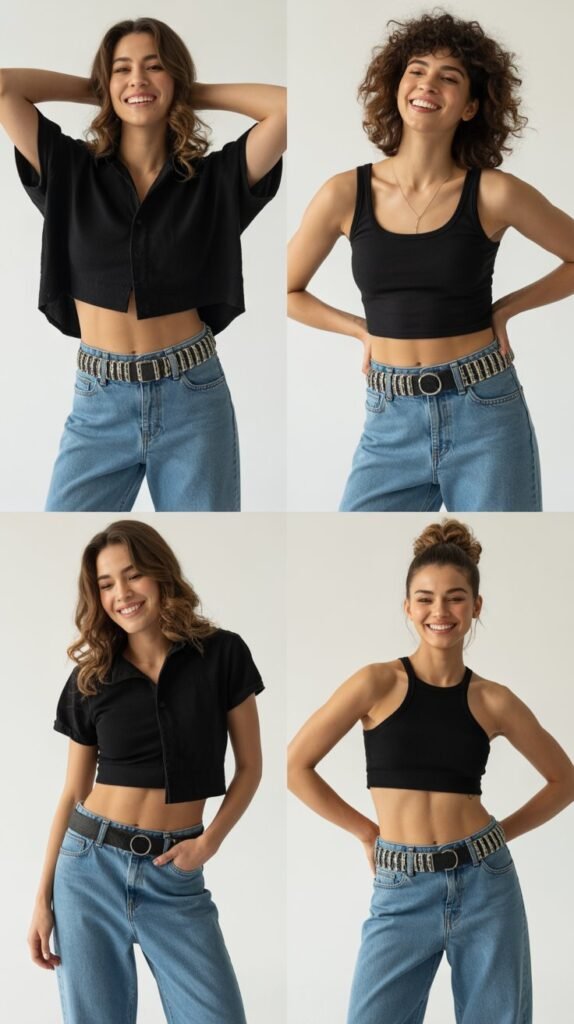
The low-rise jean became the defining silhouette of early 2000s street fashion, sitting provocatively on the hips and often revealing colorful thong straps as a deliberate styling choice.
This controversial trend represented the era’s push toward body-conscious dressing and challenged traditional notions of what should remain hidden.
Celebrities like Britney Spears and Christina Aguilera made this look mainstream, transforming undergarments into statement accessories.
Key Styling Elements:
- The jeans typically sat 2-3 inches below the natural waistline, creating an elongated torso appearance.
- Visible thong straps in bright colors or patterns were intentionally coordinated with tops or accessories.
- Hip-hugger fit emphasized curves while maintaining a slouchy, relaxed attitude.
- Distressing, whiskering, and fading added to the casual, lived-in aesthetic.
- Belt loops were often left empty or adorned with chain belts for additional edge.
Modern Adaptation Tips:
- Pair low-rise jeans with longer crop tops that show just a hint of skin for a more balanced silhouette.
- Choose high-quality denim with stretch for comfort and better fit.
- Skip the visible underwear trend and opt for seamless options or bodysuits instead.
- Balance the low rise with structured tops or blazers for a sophisticated take.
- Consider mid-rise options with vintage washes that capture the Y2K vibe without the extreme cut.
2. Velour Tracksuits in Bold Colors
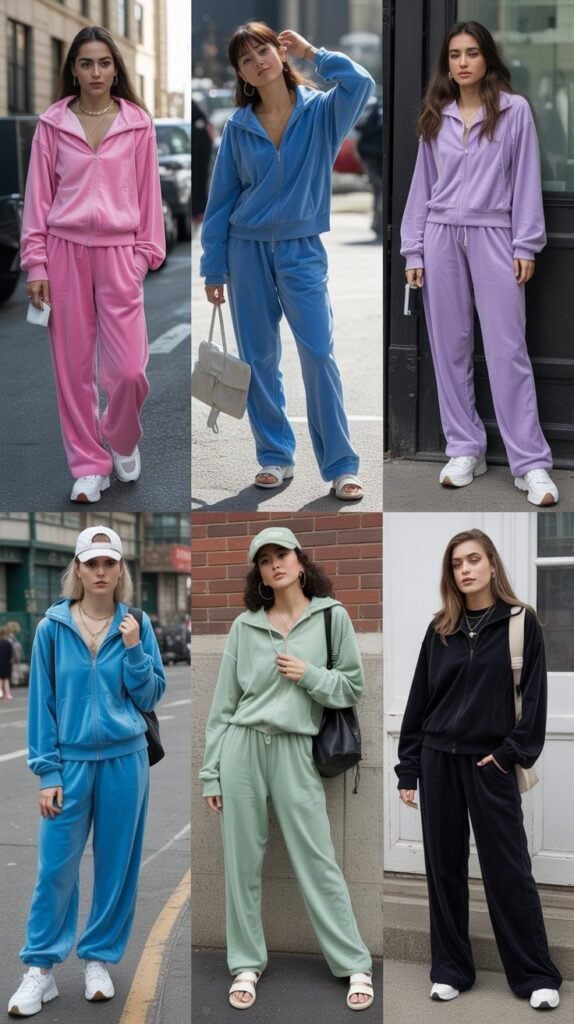
Velour tracksuits became synonymous with casual luxury during the early 2000s, with Juicy Couture leading the charge in making loungewear acceptable street attire.
These plush, coordinated sets offered comfort without sacrificing style and became a status symbol among fashion-conscious women.
The tactile appeal of velour combined with playful branding made these suits irresistible to celebrities and everyday fashionistas alike.
Signature Features:
- Matching zip-up hoodies and drawstring pants in jewel tones like hot pink, baby blue, and emerald green.
- Rhinestone embellishments or embroidered logos across the back and chest areas.
- Fitted silhouettes that hugged the body rather than hanging loose.
- Contrasting piping along seams added visual interest and definition.
- The sets were worn complete rather than mixed with other pieces.
Styling Combinations:
- White tank tops or baby tees layered underneath unzipped hoodies.
- Chunky sneakers or platform flip-flops completed the casual-luxe aesthetic.
- Oversized sunglasses and designer handbags elevated the loungewear to street style.
- Gold hoop earrings and layered necklaces added personality.
- Hair styled in high ponytails or loose waves complemented the relaxed vibe.
3. Baby Tees with Graphic Prints
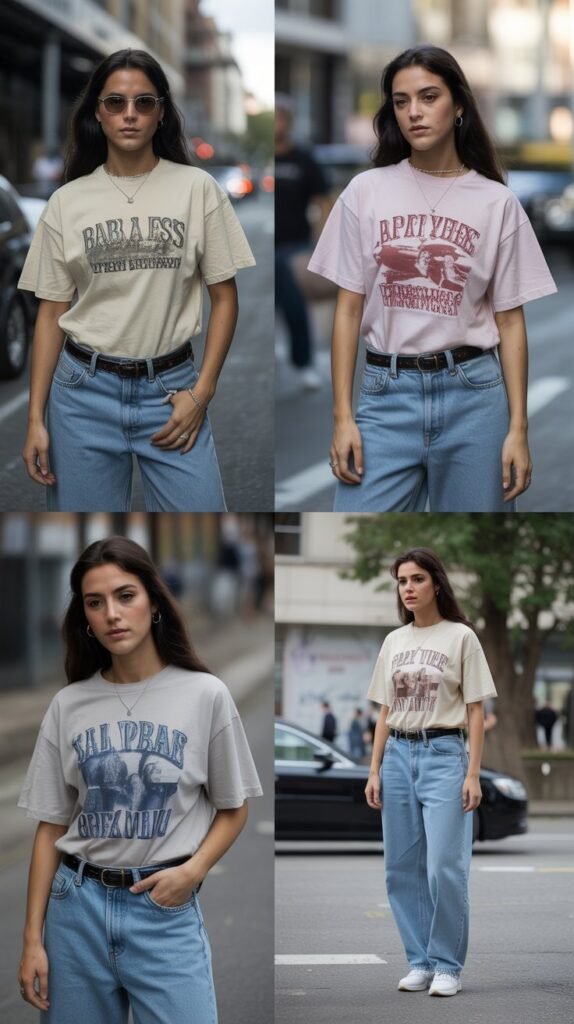
Baby tees represented the early 2000s obsession with fitted, form-hugging clothing that emphasized a youthful, carefree aesthetic.
These cropped, tight-fitting tops featured everything from band logos to ironic phrases and cute graphics.
The style challenged previous decades’ preference for oversized shirts and ushered in an era of body-conscious casual wear.
Defining Characteristics:
- Short sleeves ending at mid-bicep with slim, fitted armholes.
- Cropped hems hitting at or above the natural waistline.
- Stretchy ribbed cotton fabric that molded to the body.
- Bold graphics, glitter text, or vintage-inspired logos across the chest.
- Cap sleeves or tiny sleeves that added to the diminutive, youthful appearance.
Popular Design Themes:
- Vintage band names and concert graphics gave an edgy, music-inspired vibe.
- Playful phrases and ironic statements reflected early internet humor culture.
- Cartoon characters and nostalgic childhood references created whimsical appeal.
- Brand logos from Abercrombie, Hollister, and similar retailers became status symbols.
- Tie-dye, ombre effects, and distressed treatments added visual texture.
4. Cargo Pants with Multiple Pockets
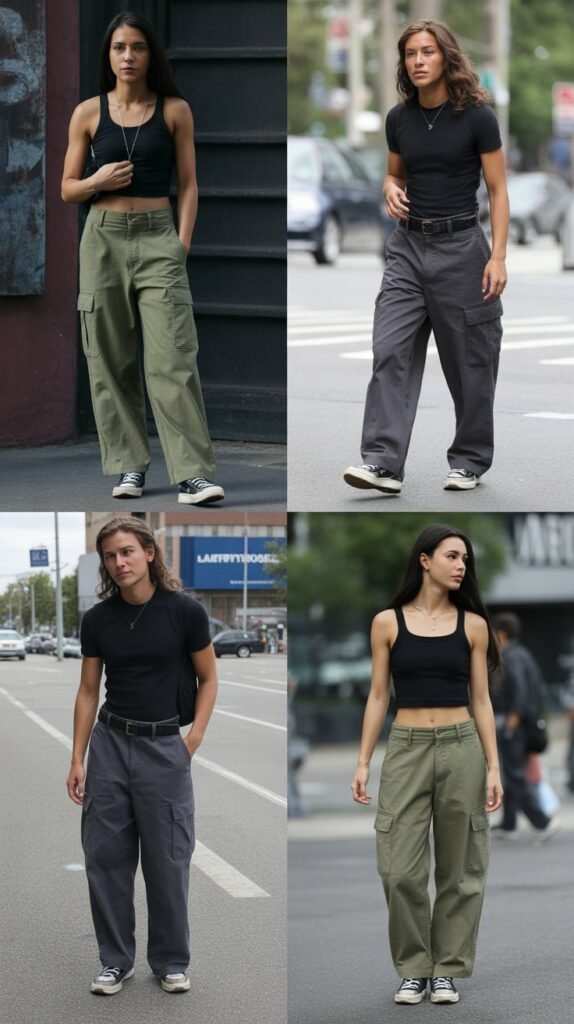
Cargo pants transitioned from military wear to mainstream fashion during the early 2000s, offering a utilitarian aesthetic that appealed to the era’s love of functional yet stylish clothing.
These relaxed-fit pants provided comfort and practicality while maintaining street credibility. The abundance of pockets became a signature design element rather than just a functional feature.
Essential Design Elements:
- Multiple oversized patch pockets along the thighs and knees.
- Relaxed, straight-leg silhouette that offered freedom of movement.
- Drawstring or elastic hems allowed for customizable styling at the ankle.
- Neutral colors like khaki, olive green, and black dominated the palette.
- Durable cotton twill fabric provided structure and longevity.
Outfit Building Strategies:
- Fitted tank tops or baby tees balanced the pants’ voluminous proportions.
- Chunky sneakers or combat boots enhanced the utilitarian vibe.
- Wide leather belts added definition at the waist.
- Layered necklaces and hoop earrings softened the masculine silhouette.
- Hoodies or denim jackets completed the casual streetwear ensemble.
5. Denim-on-Denim Outfits
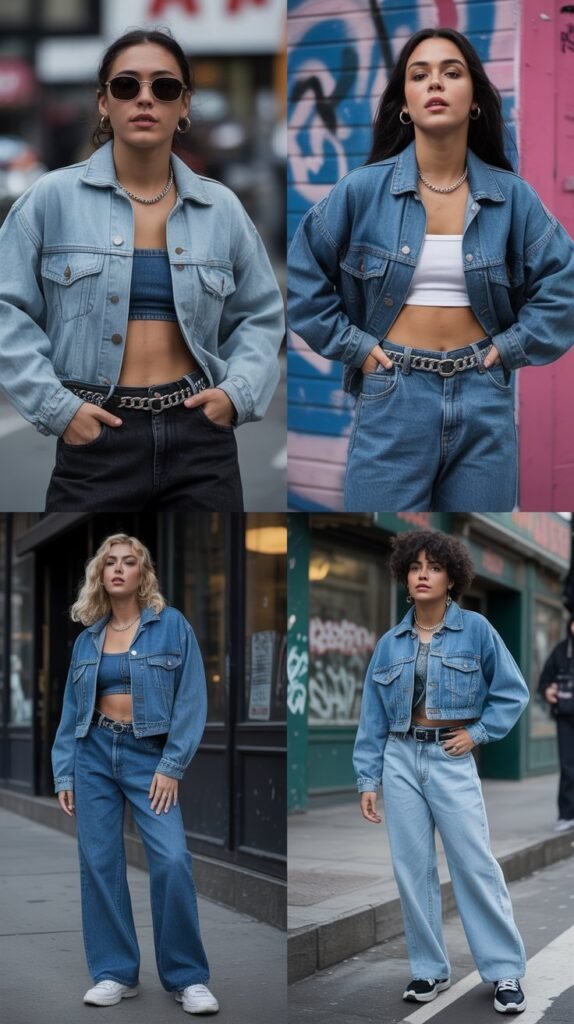
The Canadian tuxedo evolved during the early 2000s into a legitimate fashion statement embraced by celebrities and street style enthusiasts alike.
This bold approach to monochromatic dressing challenged conventional styling rules and created a cohesive, intentional look.
Mixing different washes and denim weights became the key to successfully pulling off this trend.
Successful Combinations:
- Light-wash denim jackets paired with dark-wash jeans created intentional contrast.
- Matching sets in identical washes made powerful, coordinated statements.
- Denim skirts with denim vests offered feminine variations on the theme.
- Chambray shirts under denim jackets added subtle texture variation.
- Distressed and clean denim pieces mixed for visual interest.
Balancing Techniques:
- Breaking up the denim with contrasting belts in leather or metallic finishes.
- Adding white or black tank tops as layering pieces.
- Incorporating non-denim shoes and accessories to ground the outfit.
- Choosing different denim treatments like acid wash paired with raw denim.
- Maintaining proportion balance with fitted pieces on top and relaxed bottoms or vice versa.
6. Bandana Tops and Accessories
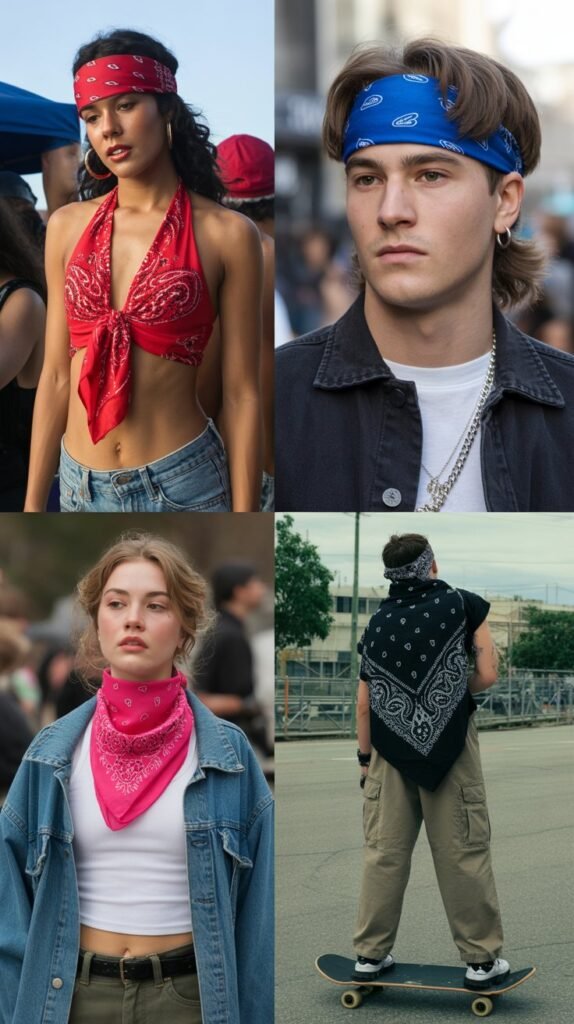
Bandanas transformed from practical accessories into versatile fashion statements during the early 2000s, serving as tops, headbands, belts, and bag embellishments.
This trend reflected the era’s creative approach to styling and DIY fashion culture. The paisley print became synonymous with Y2K street style and added instant edge to any outfit.
Styling Applications:
- Bandanas tied as halter tops created daring, minimal coverage looks for festivals and nights out.
- Folded bandanas worn as headbands kept hair back while adding color and pattern.
- Tied around bag handles or belt loops as decorative accents.
- Worn as neckerchiefs or chokers for a Western-inspired touch.
- Layered multiple bandanas in different colors for maximalist impact.
Color and Pattern Choices:
- Classic red paisley remained the most iconic and widely worn option.
- Black bandanas offered a darker, more alternative aesthetic.
- Bright colors like hot pink, turquoise, and yellow added playful energy.
- American flag prints reflected the post-9/11 patriotic sentiment.
- Solid colors provided cleaner alternatives to traditional paisley patterns.
7. Platform Flip-Flops and Chunky Sandals
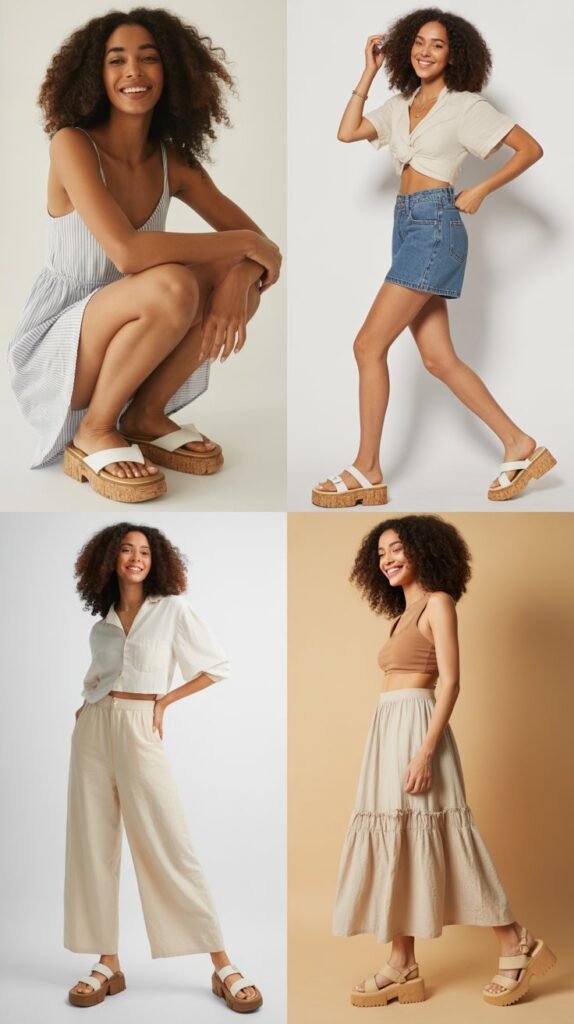
Footwear in the early 2000s embraced height through chunky platforms that added inches while maintaining casual comfort.
Platform flip-flops became particularly emblematic of the era, transforming basic summer footwear into statement pieces.
These shoes reflected the period’s maximalist approach to even the simplest wardrobe staples.
Design Characteristics:
- Platform soles ranging from 2 to 4 inches in height.
- Thick foam or rubber construction in white, black, or metallic finishes.
- Simple thong-style straps often adorned with flowers, rhinestones, or logos.
- Chunky, geometric shapes that made bold visual statements.
- Lightweight materials that kept them wearable despite their substantial appearance.
Outfit Pairings:
- Denim miniskirts and low-rise jeans created balanced proportions with the height-adding shoes.
- Casual sundresses and tank tops maintained the relaxed beach-to-street vibe.
- Capri pants showed off the dramatic footwear without competing for attention.
- Velour tracksuits paired with platforms for the ultimate early 2000s casual look.
- Pedicures in bold colors became essential when wearing these open-toe styles.
8. Mesh and Sheer Layering Pieces
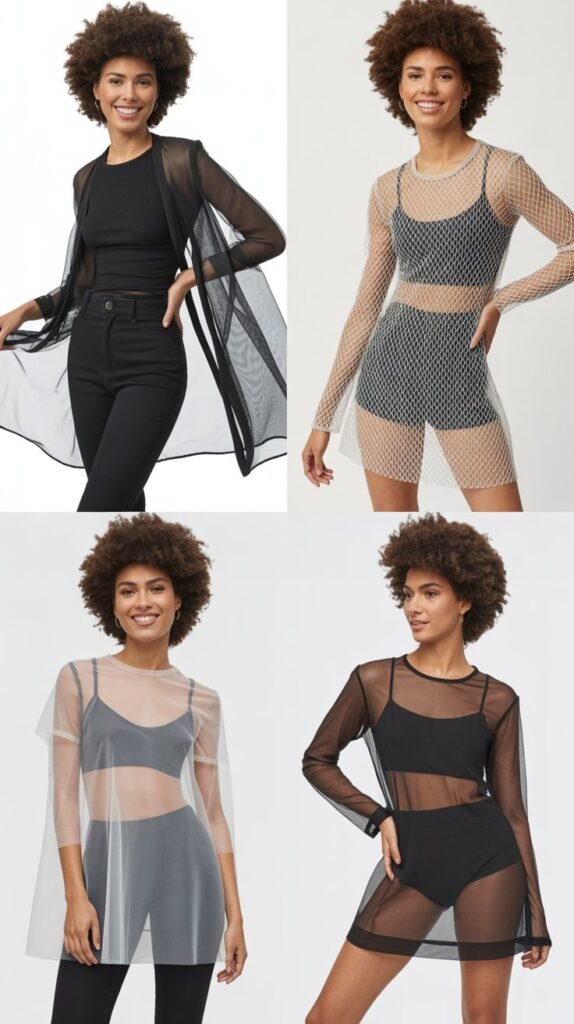
Mesh and sheer fabrics introduced an element of seductive transparency to early 2000s street fashion, allowing glimpses of skin or layered garments beneath.
This trend played with the concept of revealing and concealing simultaneously. From mesh tops to sheer skirts, these pieces added texture and visual intrigue to otherwise simple outfits.
Key Pieces:
- Long-sleeve mesh tops in black worn over colored bras or tank tops.
- Sheer peasant blouses paired with camisoles underneath.
- Fishnet overlays on skirts and dresses added punk-inspired edge.
- Transparent raincoats over coordinated outfits created futuristic looks.
- Mesh panels inserted into solid garments for strategic transparency.
Layering Strategies:
- Bright sports bras under black mesh created intentional color contrast.
- Nude undergarments maintained modesty while preserving the sheer aesthetic.
- Contrasting textures like satin under mesh enhanced visual complexity.
- Mixing different transparencies created dimensional, layered effects.
- Strategic placement of sheer elements drew attention to specific body areas.
9. Trucker Hats with Vintage Logos
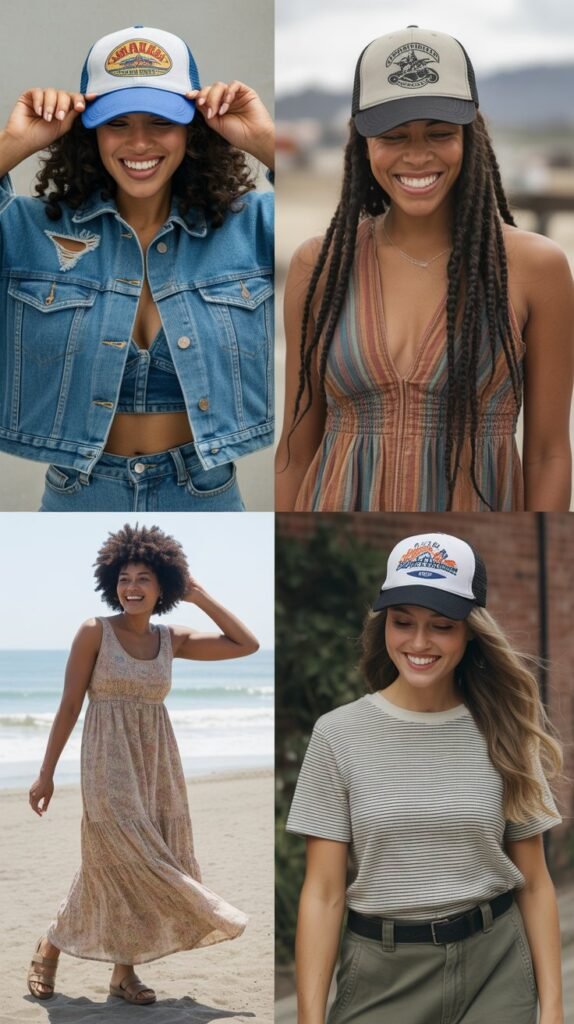
Trucker hats experienced an unexpected fashion revival during the early 2000s, transforming from workwear staples into ironic fashion statements embraced by celebrities and street style enthusiasts.
The mesh-back baseball caps added casual cool to any outfit. This trend represented the era’s embrace of blue-collar aesthetics in mainstream fashion.
Distinctive Features:
- Foam front panels with mesh back sections for ventilation.
- Curved or flat brims depending on personal styling preference.
- Vintage-inspired logos from beer brands, automotive companies, and tourist destinations.
- Adjustable plastic snap closures at the back.
- Slightly worn or distressed appearance for authentic vintage appeal.
Styling Approaches:
- Worn with low ponytails or loose hair for effortless casual vibes.
- Paired with feminine outfits to create unexpected juxtaposition.
- Coordinated with graphic tees and jeans for cohesive casual looks.
- Tilted slightly to one side for added personality.
- Combined with oversized sunglasses for maximum early 2000s effect.
10. Capri Pants and Cropped Trousers
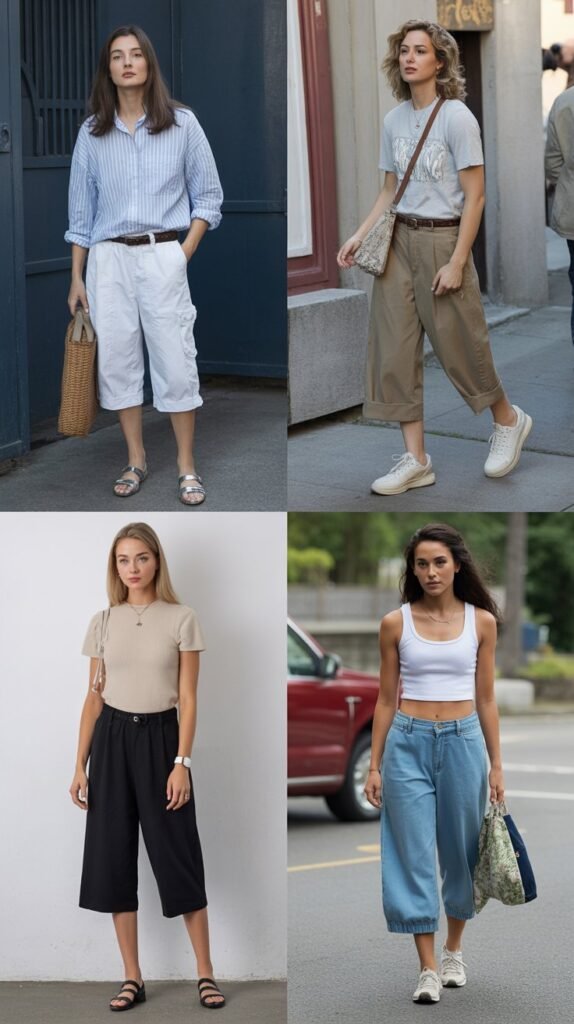
Capri pants offered a fresh alternative to full-length trousers during the early 2000s, hitting at the mid-calf for a distinctly retro-modern silhouette
These cropped pants worked across various style contexts from casual to dressy. The length showcased footwear and added visual interest to the lower leg.
Style Variations:
- Fitted stretch capris in solid colors hugged the leg for a sleek appearance.
- Relaxed linen capris in neutral tones offered breezy summer comfort.
- Denim capris with frayed or cuffed hems maintained casual cool.
- Printed capris in florals or geometric patterns made bold statements.
- Cropped dress pants in pinstripes or solid blacks bridged casual and professional.
Coordinating Elements:
- Pointed-toe flats or kitten heels elongated the leg despite the cropped length.
- Fitted tops balanced the cropped hemline for proportional harmony.
- Ankle bracelets and pedicures became essential details with the exposed ankle.
- Tunics and longer tops created interesting length play.
- Simple tank tops kept the focus on the unique pant silhouette.
11. Oversized Sunglasses with Colored Lenses
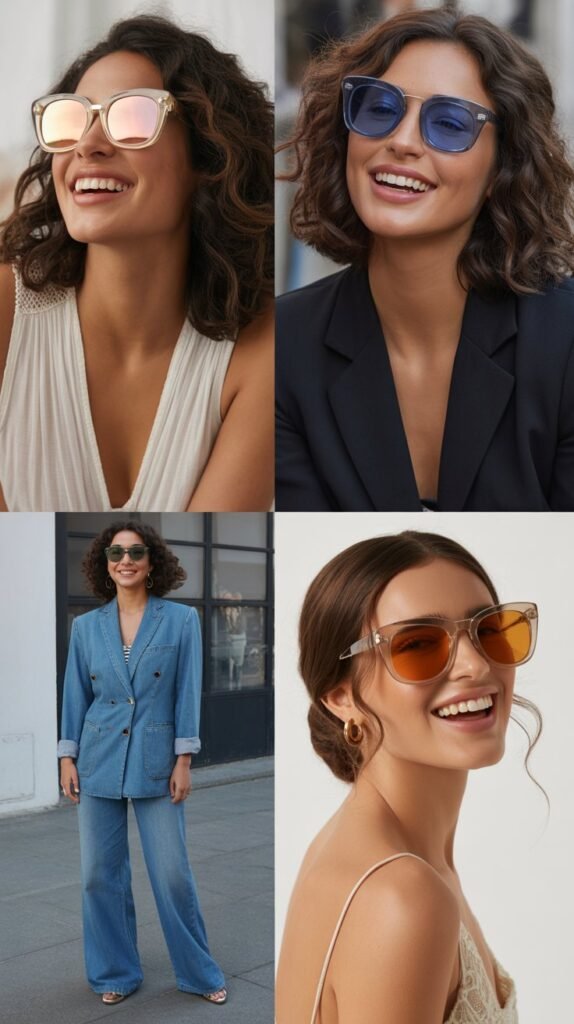
Sunglasses in the early 2000s embraced oversized proportions and unconventional lens colors that transformed eyewear into statement accessories.
These dramatic frames reflected the era’s maximalist sensibilities and celebrity culture influence. From bug-eye shapes to aviators, larger-than-life sunglasses became essential fashion armor.
Defining Styles:
- Massive square frames that covered much of the face for glamorous mystery.
- Oval and round oversized shapes channeled vintage Hollywood glamour.
- Aviators in exaggerated sizes added edge to casual outfits.
- Bug-eye and cat-eye silhouettes created dramatic, feminine statements.
- Wraparound sporty styles in iridescent finishes offered futuristic appeal.
Lens and Frame Details:
- Colored lenses in pink, blue, yellow, and amber rather than standard black.
- Gradient lenses that transitioned from dark to light created visual interest.
- Mirrored and reflective coatings added flash and mystery.
- Rhinestone or logo embellishments on temples for luxe details.
- Mix of metal and plastic frames in gold, silver, and tortoiseshell patterns.
12. Graphic Hoodies with Bold Text
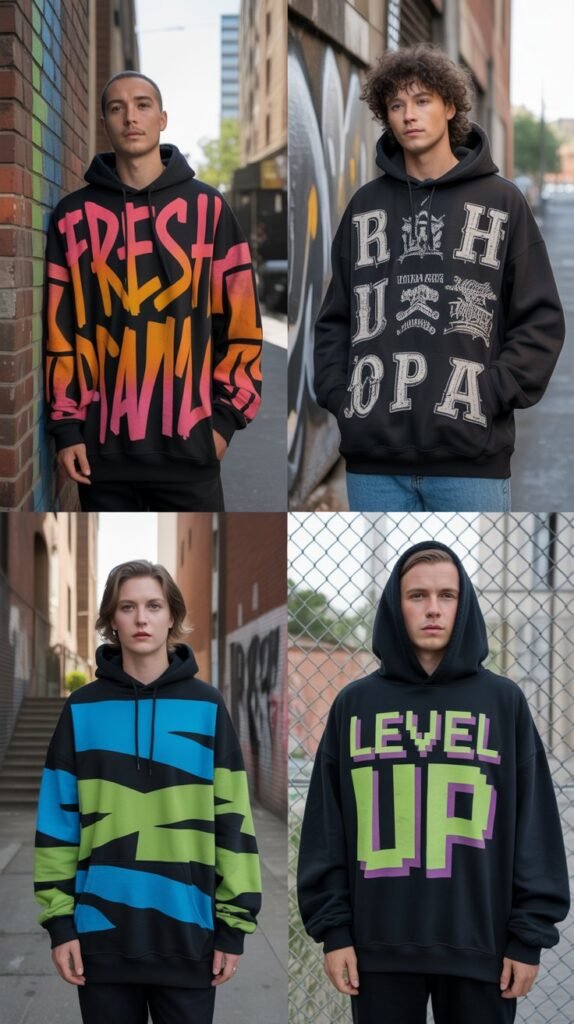
Graphic hoodies became canvases for self-expression during the early 2000s, featuring everything from brand logos to political statements and ironic phrases.
These comfortable pieces bridged streetwear and mainstream fashion effortlessly. The hoodie evolved from athletic wear to a versatile wardrobe staple suitable for various social contexts.
Design Elements:
- Large text-based graphics across the chest or back making clear statements.
- Brand names and logos from skate, surf, and urban wear companies.
- Vintage athletic department graphics from universities and high schools.
- Zip-up and pullover styles both remained popular throughout the era.
- Distressed printing and vintage washes added worn-in character.
Outfit Formulas:
- Layered over tank tops with low-rise jeans for classic casual comfort.
- Paired with denim miniskirts and platform sneakers for feminine edge.
- Worn with cargo pants and chunky shoes for full streetwear commitment.
- Tied around waists when not worn for added styling dimension.
- Combined with track pants or athletic shorts for athleisure looks.
13. Rhinestone Embellished Everything
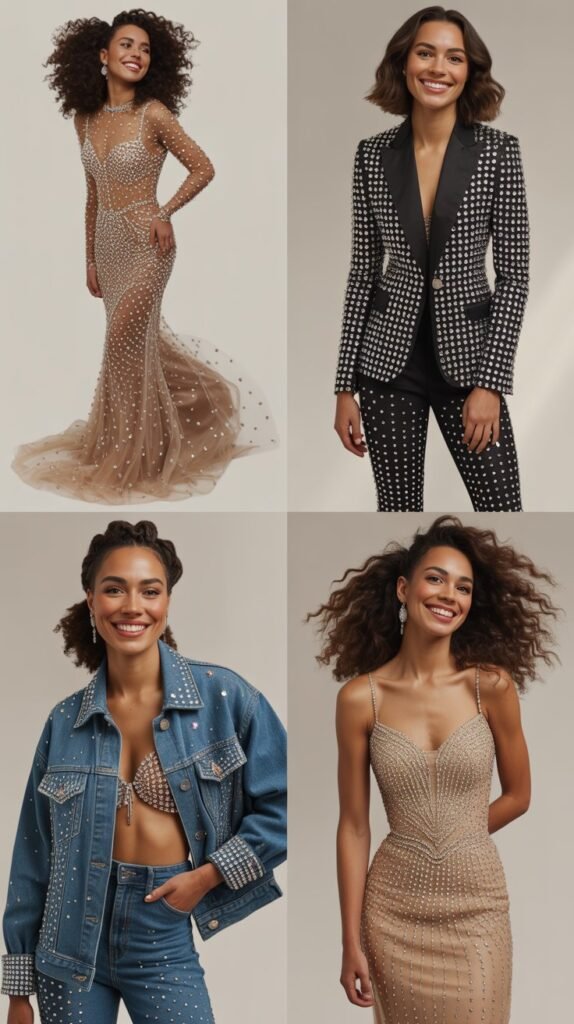
Rhinestones and crystal embellishments transformed everyday items into glamorous statement pieces during the early 2000s, reflecting the era’s love of sparkle and embellishment.
From jeans to phones, nothing escaped the bedazzled treatment. This trend represented the maximalist approach to decoration and the desire to make everything special.
Commonly Embellished Items:
- Jeans with rhinestone patterns on back pockets and along seams.
- Handbags and purses covered in crystals for maximum sparkle.
- Belts featuring oversized rhinestone buckles and studded straps.
- Denim jackets with intricate crystal designs on backs and sleeves.
- Accessories like phone cases, sunglasses, and hair clips all received the rhinestone treatment.
Application Techniques:
- Strategic placement along seams and edges highlighted garment construction.
- Full coverage created disco-ball effects on bags and accessories.
- Text and logos spelled out in rhinestones made personalized statements.
- Color gradients using different crystal shades added depth.
- Mixed metal and crystal combinations created luxe contrast.
14. Peasant Tops with Elastic Details
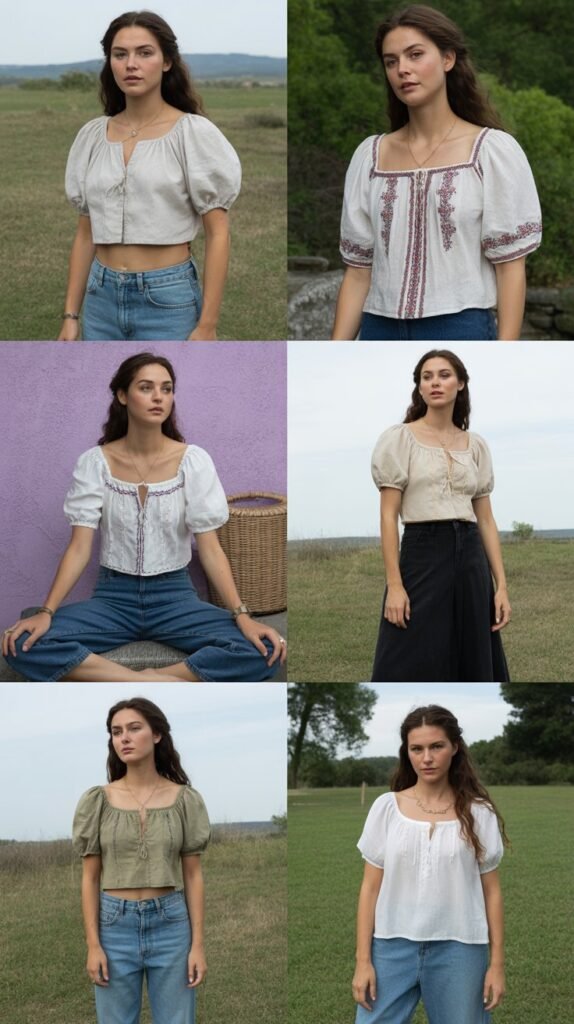
Peasant tops brought romantic, bohemian influence to early 2000s street fashion with their flowing silhouettes and vintage-inspired details.
These tops featured elastic necklines that could be worn on or off the shoulder. The style offered a softer alternative to the era’s body-conscious trends while maintaining feminine appeal.
Characteristic Features:
- Elastic gathering at necklines, sleeves, and sometimes waistlines.
- Off-shoulder or straight neckline options for versatile styling.
- Lightweight, flowing fabrics like cotton, gauze, and chiffon.
- Embroidered details, lace trim, and decorative stitching.
- Three-quarter or long sleeves with elastic cuffs for romantic volume.
Styling Contexts:
- Paired with low-rise jeans for the quintessential boho-meets-casual look.
- Worn with denim miniskirts for flirty summer outfits.
- Layered over tank tops during transitional weather.
- Combined with wide-leg pants for full bohemian commitment.
- Accessorized with long pendant necklaces and hoop earrings.
15. Ponchos and Asymmetric Wraps
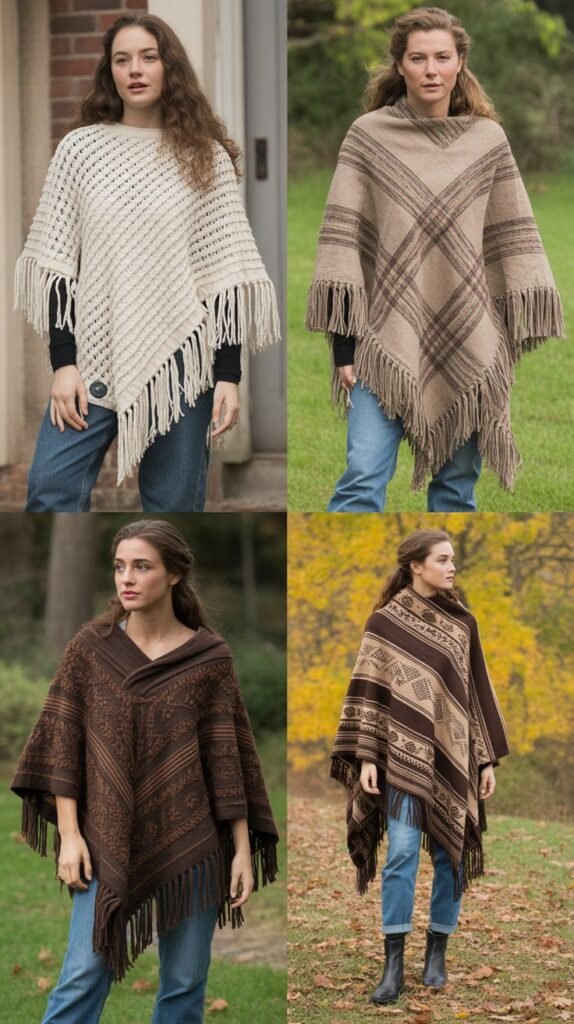
Ponchos experienced a surprising resurgence in the mid-2000s, offering dramatic, bohemian alternatives to standard jackets and sweaters.
These versatile pieces added instant style while providing warmth and coverage. The asymmetric nature of ponchos created visual interest and movement that complemented the era’s experimental fashion sensibility.
Design Variations:
- Knit ponchos in chunky yarns and earth tones for cozy texture.
- Fringed edges added movement and Western-inspired detail.
- Lightweight woven ponchos served as transitional layering pieces.
- Geometric patterns and Fair Isle designs provided visual interest.
- Turtleneck collars versus open necklines offered styling options.
Coordination Tips:
- Slim-fitting jeans and pants balanced the poncho’s voluminous proportions.
- Wide belts cinched at the waist created definition and prevented overwhelming the frame.
- Long necklaces and layered accessories complemented the flowing silhouette.
- Boots in knee-high or ankle styles grounded the bohemian aesthetic.
- Hair worn down in loose waves or braids enhanced the romantic vibe.
16. Pleated Mini Skirts in Plaid
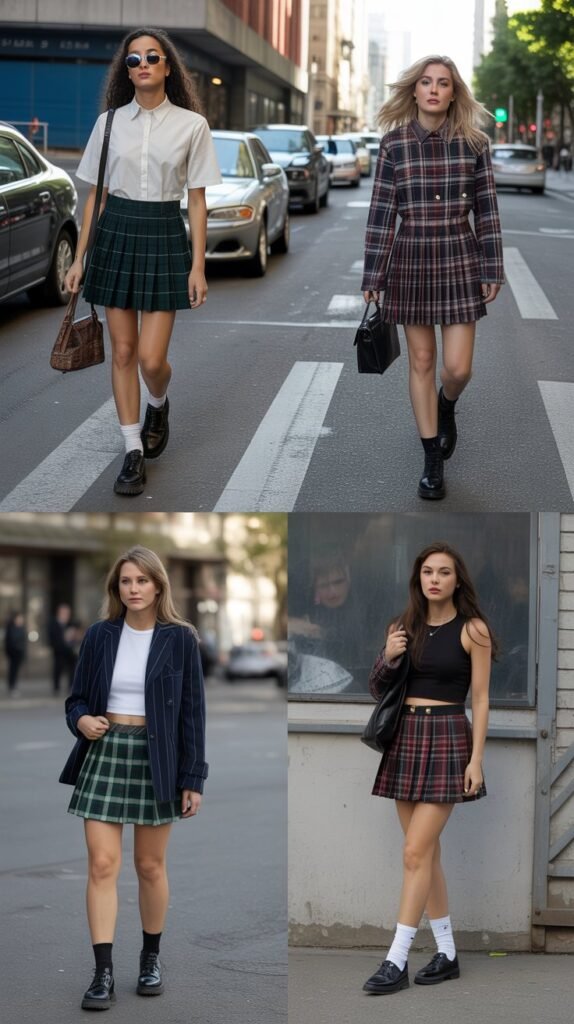
Pleated mini skirts in plaid patterns channeled schoolgirl chic while maintaining the rebellious edge characteristic of early 2000s fashion.
These skirts referenced punk and prep aesthetics simultaneously. The style became a staple in both everyday street fashion and going-out wardrobes.
Essential Characteristics:
- Box pleats or knife pleats that added fullness and movement.
- Mini length hitting mid-thigh or higher for youthful appeal.
- Traditional plaid patterns in combinations like black-red, blue-green, and pink-black.
- Attached shorts underneath for modesty and practicality.
- Low-rise waistbands that sat on the hips rather than natural waist.
Outfit Building:
- Fitted turtlenecks or ribbed tanks created preppy-casual combinations.
- Knee-high socks or leg warmers added punk-inspired layering.
- Combat boots or Mary Jane platforms completed the alternative schoolgirl aesthetic.
- Cropped cardigans or hoodies provided casual layering options.
- Chain belts and studded accessories added edge to the sweet silhouette.
17. Track Jackets with Stripe Details
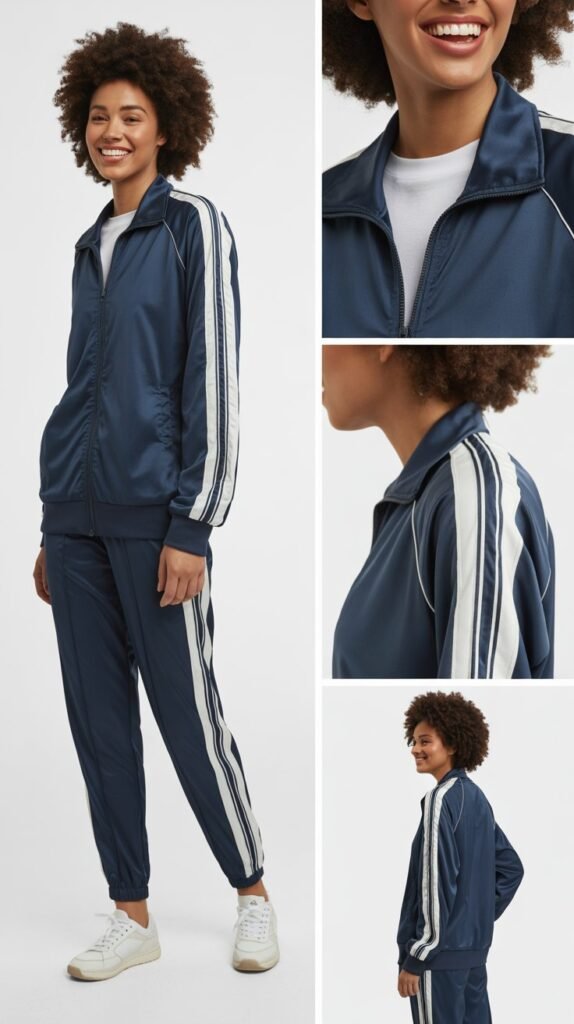
Athletic-inspired track jackets transitioned into everyday fashion during the early 2000s, bringing sporty sophistication to street style.
These zip-up jackets featured distinctive racing stripes and retro athletic branding. The style represented the growing athleisure movement that blurred lines between workout wear and casual fashion.
Defining Features:
- Contrasting stripes down the sleeves in white or complementary colors.
- Zip-up fronts with stand-up collars for classic athletic silhouettes.
- Lightweight nylon or polyester fabrics with slight sheen.
- Elastic or ribbed cuffs and hems for snug, sporty fit.
- Brand logos and athletic insignias positioned on chest or back.
Styling Applications:
- Worn with matching track pants for coordinated athletic luxury.
- Paired with jeans and sneakers for sporty-casual fusion.
- Layered over graphic tees and tank tops for street credibility.
- Combined with miniskirts for unexpected feminine-athletic contrast.
- Left partially unzipped over hoodies for dimensional layering.
18. Butterfly Clips and Hair Accessories
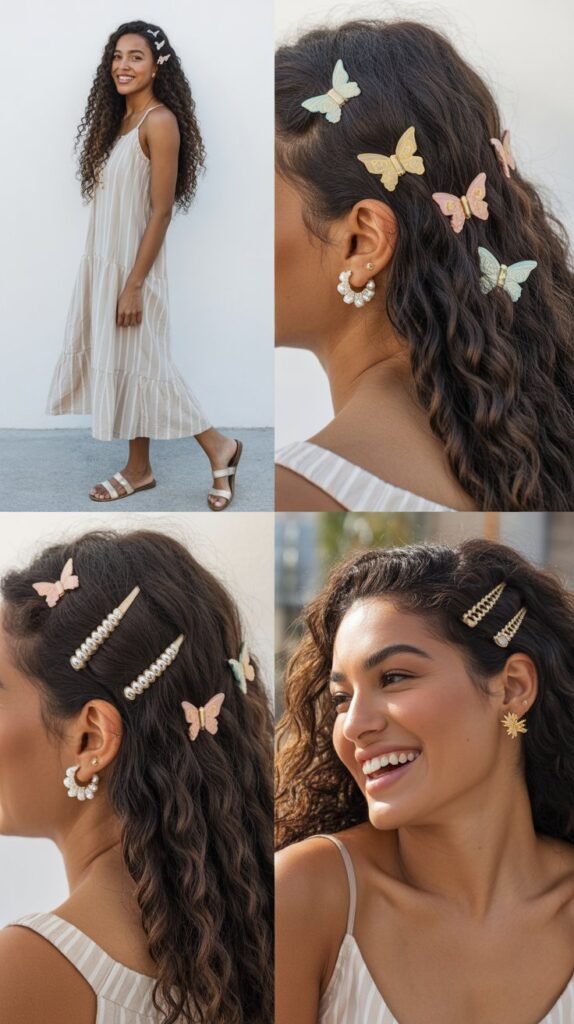
Hair accessories became prominent fashion statements during the early 2000s, with butterfly clips leading the trend in playful, nostalgic hair embellishments.
These decorative clips transformed simple hairstyles into eye-catching looks. The era embraced multiple accessories worn simultaneously for maximalist impact.
Popular Hair Accessory Types:
- Butterfly clips in metallic finishes scattered throughout updos and half-up styles.
- Zigzag headbands in various widths and colors.
- Claw clips in oversized proportions for effortless updos.
- Thin headbands worn multiple at once in coordinating colors.
- Decorative bobby pins with rhinestones or pearls arranged in patterns.
Styling Techniques:
- Multiple small butterfly clips arranged symmetrically along both sides of a center part.
- Chunky front pieces pulled back with decorative clips while leaving length down.
- Zigzag headbands pushed back from hairline for texture and volume.
- Claw clips securing messy buns or twisted upstyles for casual sophistication.
- Layered thin headbands in rainbow order or coordinated color families.
19. Cropped Cardigans and Shrugs
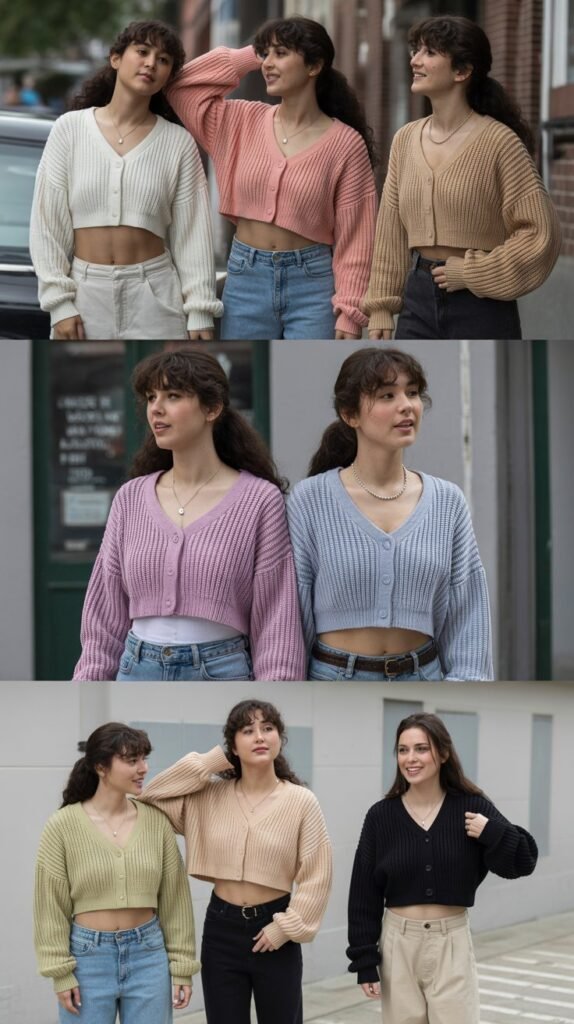
Cropped cardigans and shrugs offered practical layering that maintained the era’s emphasis on showing midriff while adding coverage to arms and shoulders.
These abbreviated sweaters bridged casual and dressy contexts. The style worked particularly well for transitioning summer pieces into cooler weather.
Design Details:
- Lengths ending at or above the natural waistline to coordinate with low-rise bottoms.
- Long sleeves with fitted or bell-shaped cuffs.
- Button-front cardigans or open-front shrug styles without closures.
- Cropped bolero jackets in knits or structured fabrics.
- Fuzzy, textured yarns in pastels and neutrals dominated the aesthetic.
Outfit Combinations:
- Layered over tank tops and camisoles with visible bra straps.
- Paired with slip dresses for modest coverage that maintained sexiness.
- Worn over graphic tees to add dimension to casual looks.
- Combined with high-waisted skirts despite the crop for strategic skin display.
- Buttoned only at top for draped, relaxed styling.
20. Newsboy Caps and Baker Boy Hats
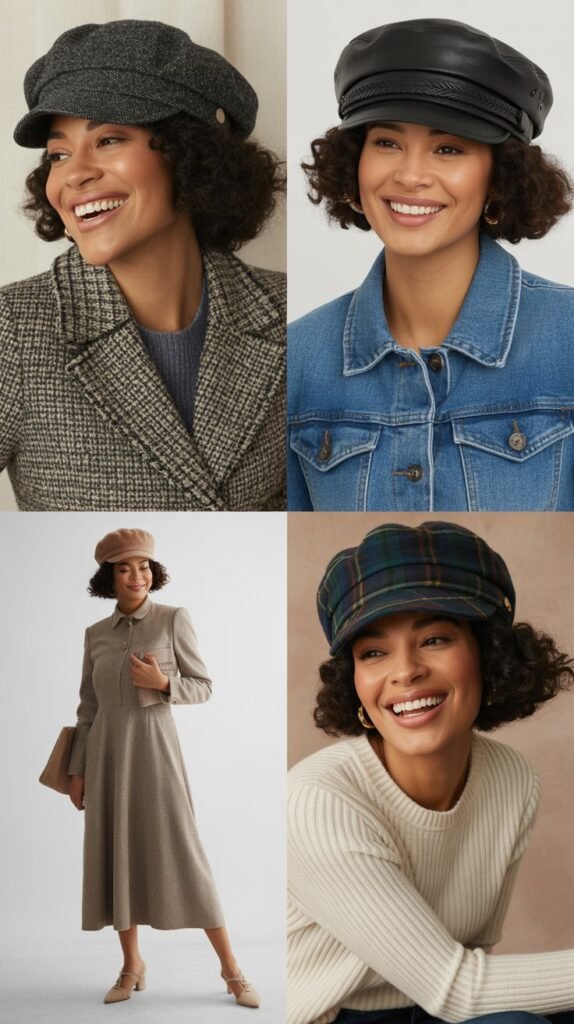
Newsboy caps experienced renewed popularity during the early 2000s, adding vintage-inspired detail to contemporary outfits.
These structured caps with front brims offered an alternative to baseball caps. The style referenced early 20th-century workwear while feeling fresh and modern in the Y2K context.
Style Characteristics:
- Rounded, fuller crown with front brim in tweed, denim, or leather.
- Button detail at the center top where fabric panels met.
- Structured yet soft construction maintained shape while remaining comfortable.
- Various fabrics from casual denim to dressy wool blends.
- Neutral colors like black, brown, and gray dominated with occasional bold hues.
Wearing Approaches:
- Tilted slightly to one side for casual, effortless appeal.
- Paired with jeans and blazers for smart-casual sophistication.
- Worn with bohemian dresses for eclectic vintage mixing.
- Combined with leather jackets for edgy street style.
- Coordinated with similar-toned outfits for monochromatic polish.
21. Tube Tops and Bandeau Styles
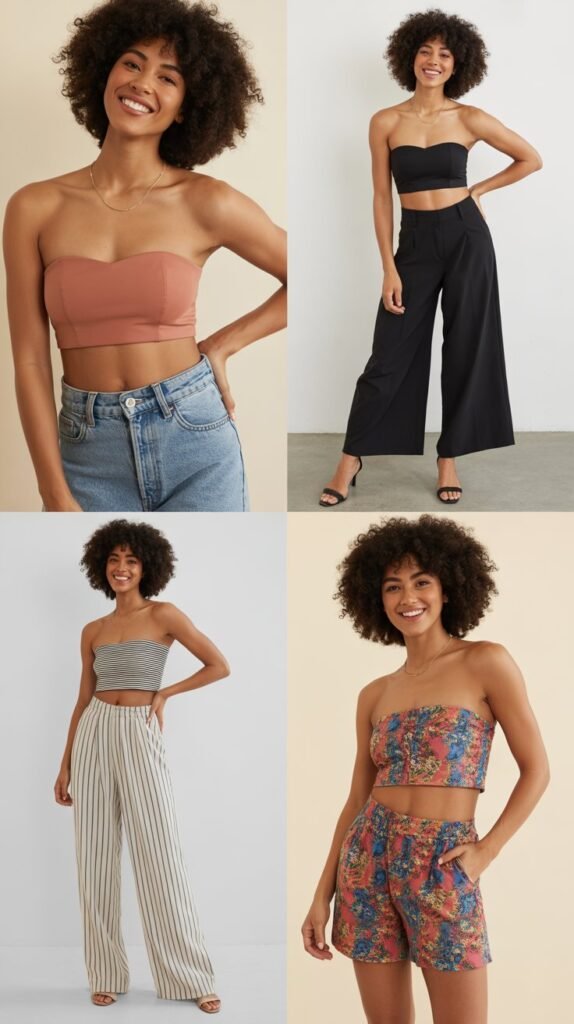
Tube tops represented the early 2000s commitment to minimalist, body-conscious clothing that maximized skin exposure while remaining wearable as everyday fashion.
These strapless garments challenged traditional notions of support and coverage. The style worked across contexts from casual daywear to evening outfits.
Essential Features:
- Strapless construction with elastic bands at top and bottom edges.
- Stretchy fabrics like spandex blends that molded to the body.
- Lengths varying from just covering the chest to extending toward the waistline.
- Solid colors dominated though patterns and prints also appeared.
- Built-in padding or shelf bras provided structure without visible support.
Styling Strategies:
- Layered under sheer mesh tops or open shirts for dimensional coverage.
- Paired with low-rise jeans showing maximum midriff for full Y2K effect.
- Worn with high-waisted skirts for unexpected proportional play.
- Combined with cardigans or jackets for modest layering options.
- Accessorized with long necklaces that drew attention to the strapless neckline.
22. Camouflage Prints in Urban Settings
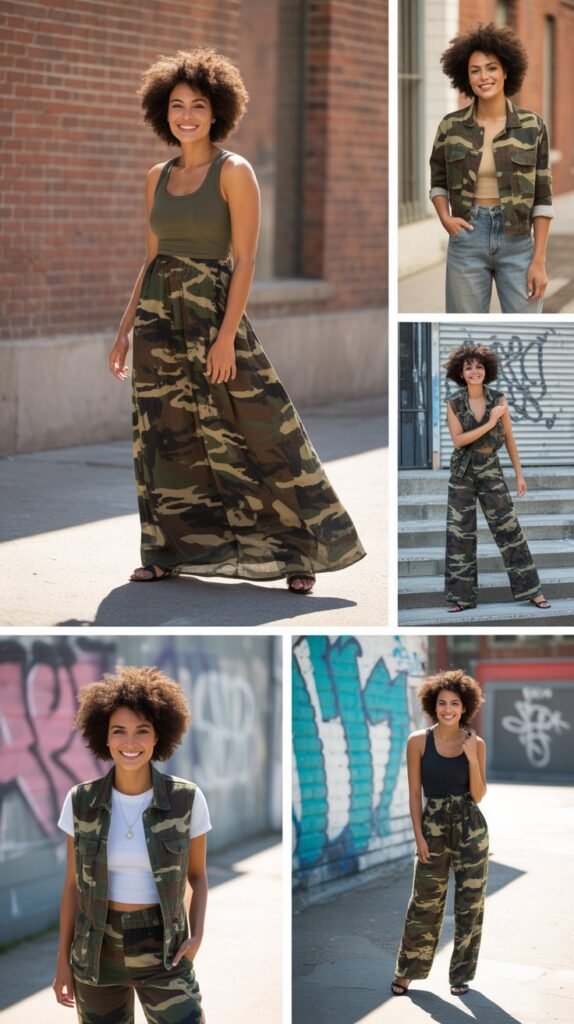
Camouflage patterns transitioned from military and outdoor contexts into mainstream street fashion during the early 2000s, representing the era’s embrace of utilitarian aesthetics.
These tactical prints added edge to feminine silhouettes and casual outfits.
The ironic use of military patterns in urban environments reflected the period’s playful approach to fashion rules.
Application Across Garments:
- Cargo pants and shorts in traditional woodland or desert camo patterns.
- Fitted tank tops and baby tees that feminized the masculine print.
- Jackets and hoodies in camo as statement outerwear pieces.
- Accessories like bags, hats, and bandanas in camouflage prints.
- Pink and purple camo variations offered softer alternatives to traditional green-brown.
Outfit Balance:
- Mixed with solid colors to prevent overwhelming visual chaos.
- Paired with feminine pieces like miniskirts or heels for contrast.
- Combined with other prints sparingly for advanced styling.
- Accessorized with metallic jewelry to offset the matte print.
- Kept to one camo piece per outfit for intentional rather than costume effect.
23. Layered Tank Tops in Contrasting Colors
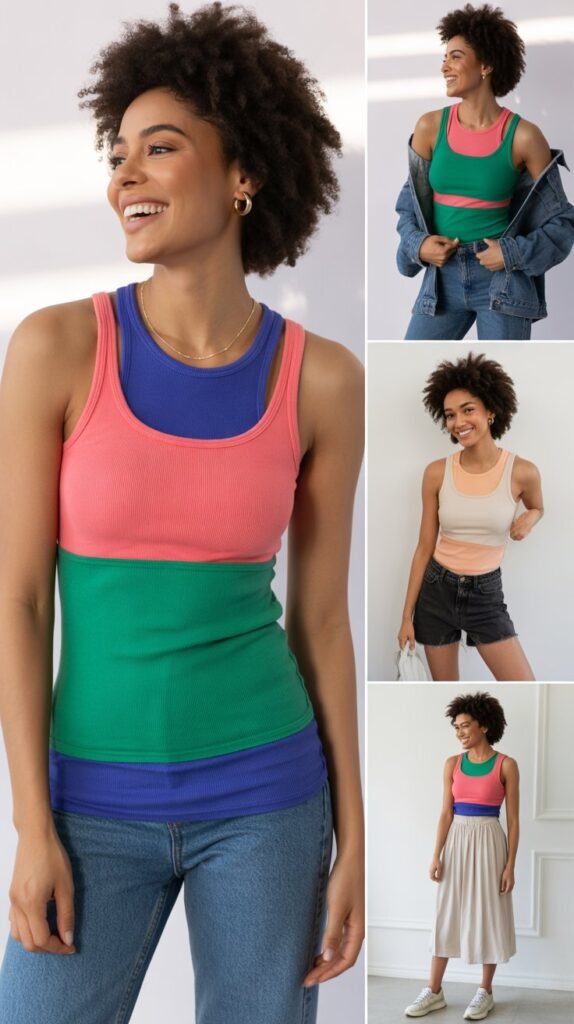
Layering multiple tank tops in contrasting colors became a signature styling technique of the early 2000s, creating dimensional color play and visual interest.
This approach transformed simple basics into complex outfits. The strategy worked with both spaghetti strap and racerback styles.
Layering Techniques:
- Two to three tanks layered with each visible beneath the others.
- Contrasting colors chosen for maximum visual impact rather than coordination.
- Different lengths with top layer shortest and subsequent layers increasingly longer.
- Various strap widths and styles mixed for textural variety.
- Some tanks pulled to show asymmetry or create diagonal necklines.
Color Combinations:
- Bright primary colors layered together for bold, youthful energy.
- Neon shades under black or white for pop-art contrast.
- Pastel combinations created softer, romantic effects.
- Metallic or glittery tanks as top layers added glamorous finish.
- Rainbow ordering of colors for maximum early 2000s whimsy.
24. Chandelier Earrings and Statement Jewelry
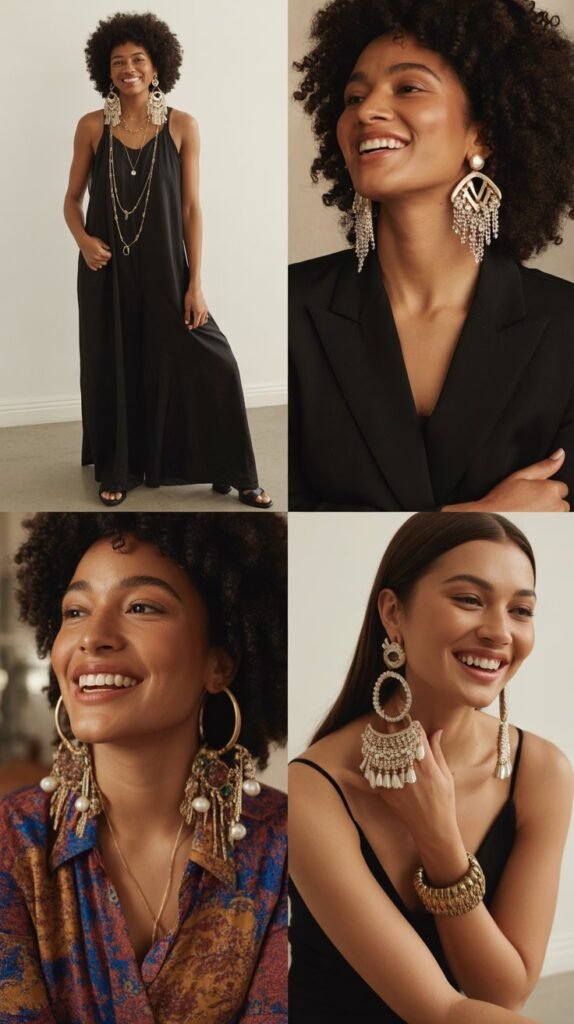
Jewelry in the early 2000s embraced dramatic proportions with chandelier earrings and oversized statement pieces that became focal points of entire outfits.
These accessories reflected the era’s maximalist philosophy where more was always more. From hoops to dangles, jewelry made bold declarations.
Trending Jewelry Styles:
| Jewelry Type | Characteristics | Styling Context |
|---|---|---|
| Chandelier Earrings | Multi-tiered dangles with crystals or beads | Evening and dressy casual |
| Oversized Hoops | 3-4 inch diameter circles in gold or silver | Everyday street style staple |
| Layered Necklaces | Multiple chains in varying lengths | Casual and boho outfits |
| Chunky Cuffs | Wide metal bangles with embellishments | Statement piece for simple outfits |
| Name Plate Jewelry | Personalized pendants and rings | Hip-hop influenced street style |
Wearing Approaches:
- Chandelier earrings paired with updos to showcase their dramatic length and movement.
- Multiple hoop sizes worn together in the same ear for curated ear aesthetics.
- Layered necklaces of different weights and textures for dimensional interest.
- Statement earrings worn alone without competing necklaces for balance.
- Mixed metals embraced rather than matched for eclectic appeal.
25. Ribbon Belts and Chain Details
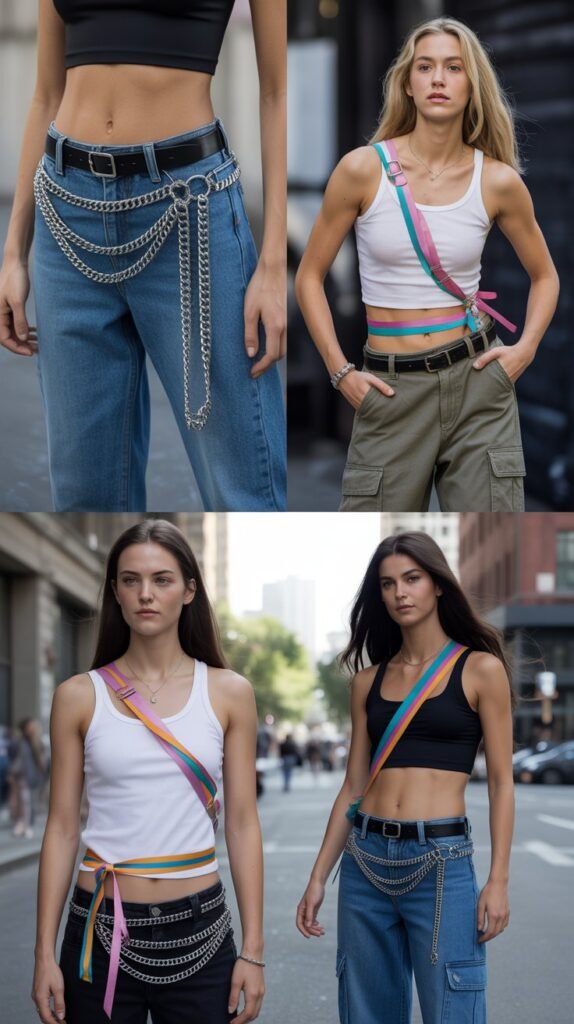
Belts evolved beyond purely functional accessories during the early 2000s, with ribbon belts and chain styles adding decorative interest to the waistline.
These accessories worked particularly well with low-rise bottoms that created expanses of hip area to decorate. The styles ranged from delicate and feminine to bold and edgy.
Belt Style Variations:
- Grosgrain ribbon belts in bright colors tied in bows at the front or side.
- Chain belts with oversized links draped low on the hips.
- Studded leather belts with prominent buckles for rock-inspired edge.
- Fabric belts with D-ring closures in preppy patterns like stripes.
- Logo belts featuring designer insignias as prominent buckle elements.
Styling Positions:
- Worn at natural waist over dresses and high-waisted skirts.
- Draped low on hips over jeans and cargo pants.
- Threaded through only front belt loops for asymmetric draping.
- Doubled up with multiple belts worn simultaneously in coordinating styles.
- Left hanging with one end dangling for casual, undone effect.
26. Zip-Up Hoodies as Dresses
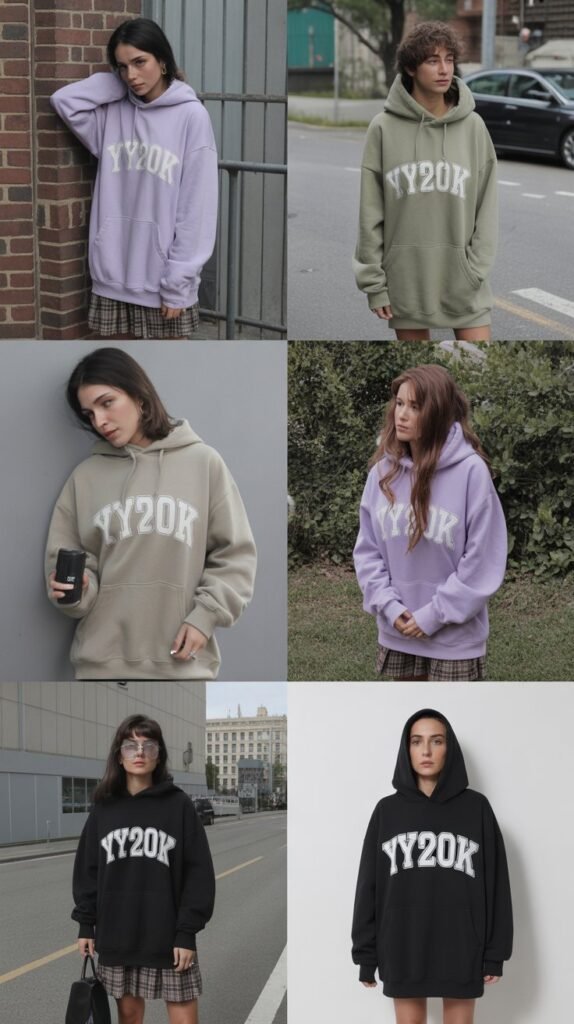
Oversized zip-up hoodies worn as standalone pieces or makeshift dresses represented the early 2000s approach to comfortable, boundary-pushing fashion.
This styling choice blurred lines between loungewear and outerwear. The look required confidence and embraced the era’s playful approach to unconventional styling.
Styling Approaches:
- Oversized hoodies worn unzipped over coordinating sports bras and shorts.
- Long hoodies zipped up and worn without visible bottoms for dress-like silhouettes.
- Paired with knee-high boots to balance the oversized proportions.
- Accessorized with statement jewelry to elevate the casual base.
- Layered over leggings or bike shorts for modest coverage.
Key Details:
- Hoodies needed to be significantly oversized to achieve the intended effect.
- Longer lengths that hit mid-thigh or below worked best for dress styling.
- Contrasting visible layers underneath added dimension and interest.
- Athletic or streetwear brands provided authentic context for the look.
- Confidence in wearing minimal bottoms made or broke the styling.
27. Wrap Bracelets and Arm Candy
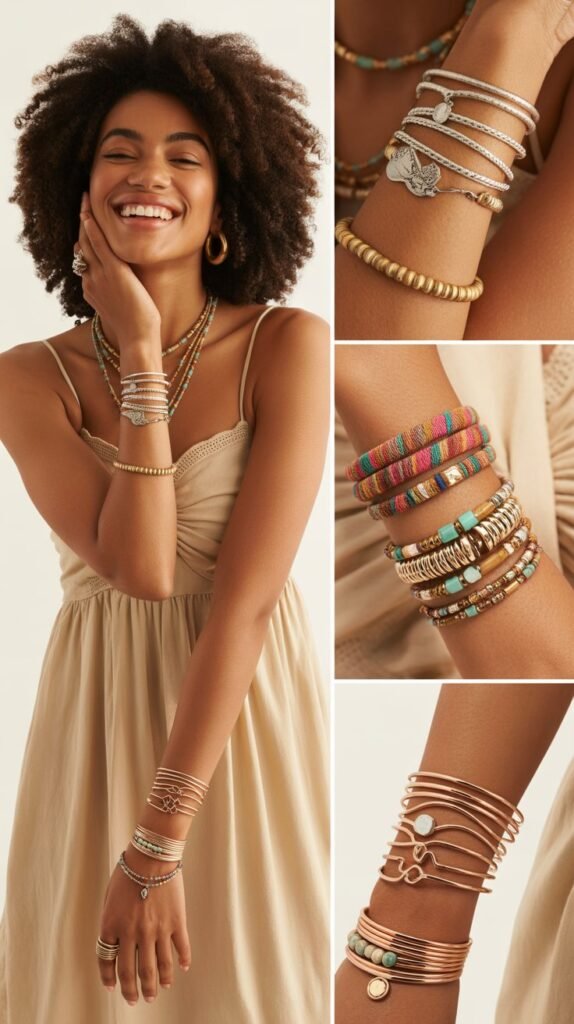
Wrist accessories became opportunities for self-expression during the early 2000s, with stacked bracelets and wrap styles creating “arm candy” displays.
This maximalist approach to accessorizing meant more was better. From rubber charity bracelets to beaded wraps, wrists became canvases for personal style statements.
Popular Bracelet Types:
- Rubber charity bracelets in various colors supporting different causes stacked by the dozens.
- Leather wrap bracelets with metal studs or braided details for edgy appeal.
- Beaded stretch bracelets in candy colors worn in rainbow arrangements.
- Friendship bracelets in embroidery thread referenced childhood crafts.
- Bangle stacks in mixed metals created musical jingling with movement.
Stacking Strategies:
- Color-coordinated stacks in ombre or rainbow arrangements.
- Mixed material combinations of rubber, leather, metal, and beads.
- Asymmetric stacking with one wrist heavily adorned and the other bare.
- Themed collections like all charity bracelets or all friendship styles.
- Covered forearms from wrist to elbow for maximum impact.
28. Printed Scarves as Multi-Purpose Accessories
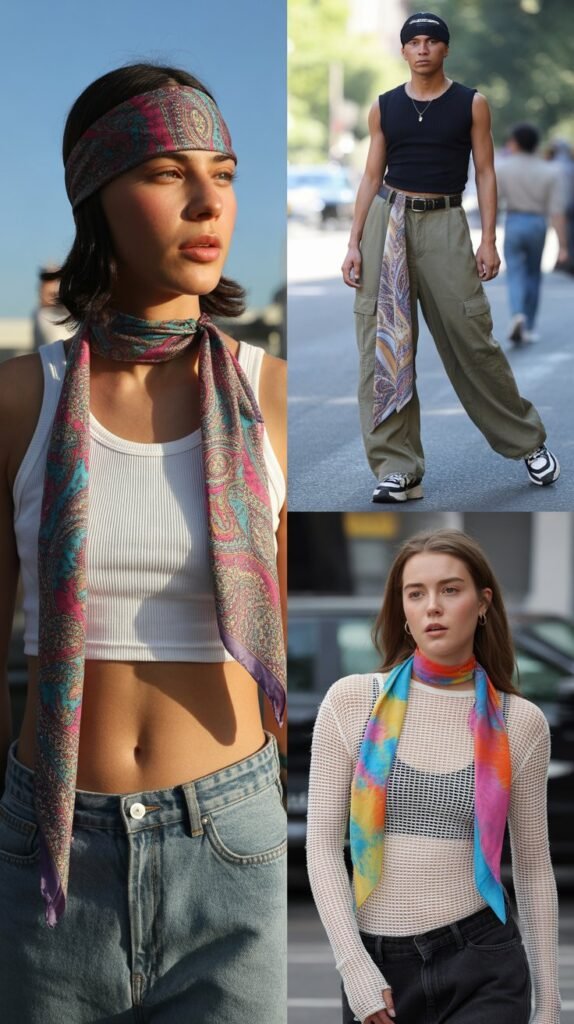
Scarves transcended their traditional role during the early 2000s, becoming versatile accessories worn in countless creative ways beyond neck warming.
These printed pieces added color, pattern, and personality to outfits. The styling possibilities seemed endless, from headwear to bag accessories.
Creative Styling Methods:
- Folded and tied as headbands keeping hair back with bohemian flair.
- Worn as belts threaded through loops or tied at the waist.
- Wrapped around bag handles for customized accessory decoration.
- Tied as halter tops over tank tops for layered summer looks.
- Used as wrist wraps or ankle decorations for unexpected detail.
Pattern and Fabric Preferences:
- Silk or satin finish scarves in luxurious sheens and fluid drape.
- Bold graphic prints in contrasting colors made statement impacts.
- Vintage-inspired patterns like paisley and florals added retro appeal.
- Brand logo prints from designer houses signaled status.
- Solid colors in jewel tones served as versatile styling bases.
Conclusion
The early 2000s created a fashion legacy that continues to inspire contemporary style with its fearless experimentation, playful maximalism, and unapologetic confidence.
28 Early 2000s Street Fashion Looks for Women captures the essential elements that defined this transformative era, from the controversial low-rise denim to the sparkle-obsessed rhinestone embellishments that decorated everything in sight.
These looks represented more than just clothing choices—they embodied a cultural moment when fashion celebrated individuality, embraced contradictions, and refused to take itself too seriously.
Whether you’re drawn to the athletic-inspired tracksuits, the bohemian peasant tops, or the edgy camouflage prints, each trend offers insight into the creativity and boldness that characterized millennium street style.
As fashion continues its cyclical nature, these Y2K aesthetics prove that truly iconic style transcends time, offering endless inspiration for those willing to embrace color, experiment with proportion, and wear their confidence as their most important accessory.